
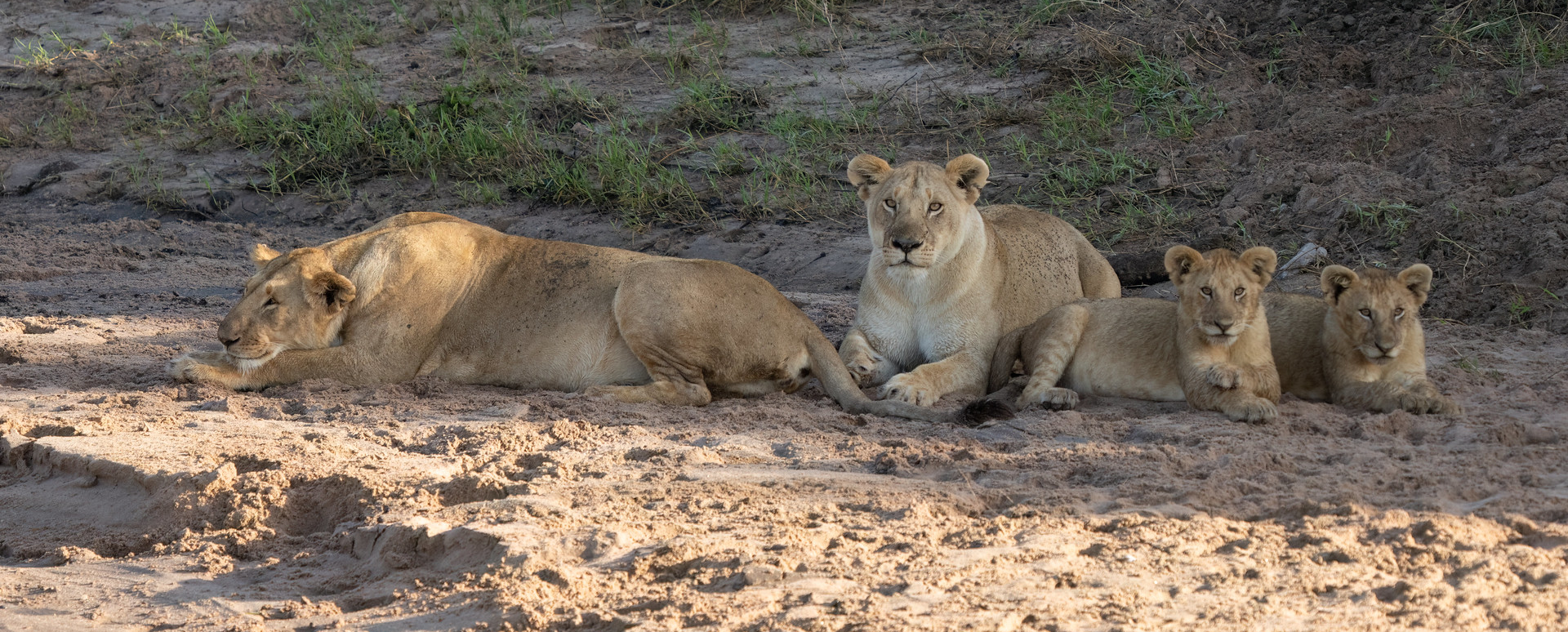
Tanzania Self-Drive Safari Guide
The Southern Circuit
Tanzania’s Last Great Wild
A complete guide to self-drive camping safaris through Mikumi, Ruaha, Katavi, and Kitulo — the road less travelled.
Tanzania’s southern circuit is one of East Africa’s best-kept secrets. While the northern parks draw crowds in their thousands, the south offers something increasingly rare in modern safari travel: space, solitude, and wildlife on its own terms. For the independent traveller willing to cover ground — ideally with a 4×4 equipped with a rooftop tent — the southern circuit rewards like nowhere else on the continent.
This guide covers the four major parks and destinations of the circuit, how to approach each on a self-drive, where to camp on a budget, and how to plan a one-way itinerary from Dar es Salaam that ends with a bush flight home.
The Southern Circuit at a Glance
The southern circuit begins in Dar es Salaam and sweeps west and south through some of Tanzania’s most dramatic landscapes: the Mikumi floodplains, the vast wilderness of Ruaha, the highland flower meadows of Kitulo, and finally the truly remote Katavi — set deep in the western rift valley. Unlike the northern circuit, where tarmac roads connect the parks in a neat loop, the south demands a proper 4×4 and a spirit of adventure. The reward is a Tanzania that feels genuinely undiscovered.
Most travellers on self-drive camping safaris choose a one-way route westward, picking up a vehicle in Dar es Salaam and flying back at the end — saving them the gruelling return drive and adding a memorable bush flight to the experience. One-way car rentals are available from Dar es Salaam with drop-off near Katavi or in Mpanda, making this a seamless option for longer itineraries.
The Parks
- Mikumi National Park — The Southern Gateway
Mikumi is the natural first stop on any southern circuit drive from Dar es Salaam, lying roughly 300 km west along the A7 highway — about four hours of comfortable driving on mostly good tarmac. The A7 passes directly through the park, making it one of Tanzania’s most accessible wildlife areas. Don’t let its accessibility fool you into thinking it’s diminished: Mikumi is part of the vast Selous-Mikumi ecosystem and holds exceptional populations of elephant, buffalo, lion, giraffe, and large herds of zebra and wildebeest on its open floodplains.
The Mkata floodplain at the heart of the park is often compared to the Serengeti in miniature, and during the dry season the concentrations of herbivores — and the predators that follow them — are genuinely impressive. For a first-time southern circuit traveller, Mikumi is the perfect warm-up. Learn more about Mikumi National Park on this detailed destination page.
Budget camping: Mikumi has a public campsite managed by TANAPA near the park headquarters at Kikoboga. Facilities are basic — pit latrines, a cold water tap — but the location is excellent and the night sounds of the bush from your rooftop tent are unforgettable. Fees are approximately USD $30 per person per night for foreign visitors, plus the standard park entry fees.
- Ruaha National Park — Tanzania’s Largest Wilderness
From Mikumi, continue west through Iringa before turning south towards Ruaha — about 240 km from Mikumi, taking four to five hours including the rougher road sections near the park gate. Ruaha is Tanzania’s largest national park and one of the most remarkable safari destinations in Africa. The Great Ruaha River bisects the park, drawing enormous concentrations of wildlife to its banks during the dry season: herds of buffalo numbering in the thousands, elephant families wading across at sunset, crocodiles lounging on sandbanks, and the highest density of lions in East Africa.
Ruaha is particularly celebrated for its predator sightings — wild dogs, cheetahs, leopards, and multiple lion prides are regularly encountered. The park also hosts over 570 bird species, making it one of Tanzania’s premier birding destinations. Read the full Ruaha National Park self-drive guide for detailed route and wildlife information.
Budget camping: Ruaha has several public campsites along the river and in the interior. The Mwagusi and Jongomero public sites are particularly well-positioned. Expect the same basic facilities as Mikumi — pit latrines and water points. Bring all your own food, firewood, and supplies as there are no shops inside the park. A rooftop tent setup is ideal here, keeping you safely elevated and providing excellent views over the surrounding bush.
- Kitulo National Park — The Serengeti of Flowers
Kitulo is the least visited of the southern circuit parks and one of the most surprising. Located on the Kitulo Plateau in the southern highlands at roughly 2,600 metres elevation, it is known internationally as Tanzania’s premier wildflower destination — earning the nickname “the Serengeti of flowers” from botanists. Between November and April, the plateau erupts in extraordinary bloom: orchids, proteas, aloes, lilies, and over 350 species of vascular plants create a landscape unlike anything else in East Africa.
Beyond the flowers, Kitulo is an excellent birding destination and home to the endemic Denham’s bustard, blue swallow, and mountain marsh widow. The park sits along the route between Ruaha and Katavi via Mbeya, making it a natural addition to the circuit. Learn more about Kitulo National Park and plan a half-day or overnight stop on your way west.
Budget camping: Kitulo has a basic public campsite near the park headquarters at Matamba. Given the altitude, nights are cold — pack layers even if travelling in the dry season. The highland air is crisp and star-filled, and waking to mist rolling across a flower-covered plateau is a genuinely magical experience.
- Katavi National Park — The Last Great Wilderness
Katavi is the crown jewel of the southern circuit and, by some measures, the most extraordinary park in all of Tanzania. Located in the Rukwa Rift Basin in the far west, it is Tanzania’s third-largest park at 4,471 square kilometres — and receives as many visitors in an entire year as the Serengeti draws in a single day. The sense of isolation and wilderness here is absolute. The vast Chada and Katasunga Plains host dense populations of buffalo, elephant, and lion, while the drying seasonal rivers produce one of Africa’s most dramatic wildlife spectacles: hundreds of hippos crowded into shrinking pools, fighting furiously for space, watched over by equally dense concentrations of Nile crocodiles. Katavi holds the densest hippo and crocodile populations in all of Tanzania.
Getting here is an adventure in itself. From Mbeya or Sumbawanga, the final stretch to Sitalike gate involves remote highland roads with spectacular scenery but demanding surface conditions — proper 4×4 clearance is non-negotiable. Read the full Katavi National Park destination guide for detailed route notes and what to expect inside the park.
Budget camping: Katavi has a public campsite for self-drive travellers near the park headquarters at Sitalike. This is the most budget-friendly accommodation in the park and puts you right at the heart of the action. The three permanent lodges — Mbali Mbali Katavi, Chada, and Foxes — each host a maximum of twelve guests, so even the luxury options maintain the sense of exclusivity that defines Katavi. For rooftop tent campers, falling asleep to distant lion roars and the crash of hippos in the dark is the defining Katavi experience.
Best Time to Travel the Southern Circuit
Peak: July – October
Shoulder: May – June
Birds: Nov – March
The dry season from July through October is the best time for wildlife viewing across all southern circuit parks. Rivers and water sources contract, concentrating animals at predictable points and making sightings easier and more dramatic. Roads inside the parks are in their best condition, and the long grass of the wet season has died back to give unobstructed views across the plains.
Self-drive operators strongly advise against the rainy season for the more remote parks. Katavi in particular becomes extremely difficult or impassable during the rains — tracks inside the park flood and cut off entirely. Ruaha and Mikumi are more forgiving but still challenging in heavy wet season conditions.
November through March brings extraordinary birding to all four parks, along with Kitulo’s famous wildflower season and the near-guarantee of having the park entirely to yourself. Travelling in the shoulder season on a budget vehicle hire can be excellent value for the right traveller.
Planning Your Self-Drive Route
The recommended approach for most travellers is a one-way westward drive from Dar es Salaam, dropping the vehicle in Mpanda or at the Sitalike gate area and flying back to Dar es Salaam on Safari Air Link’s Thursday service from the Ikuu airstrip. This avoids the 20+ hour return drive and adds a spectacular low-level bush flight over the miombo woodlands of western Tanzania as a memorable finale.
Leg | Distance | Drive Time | Nights |
Dar es Salaam → Mikumi | ~300 km | ~4 hrs | 1–2 |
Mikumi → Ruaha (via Iringa) | ~240 km | ~4–5 hrs | 2–3 |
Ruaha → Kitulo (via Mbeya) | ~200 km | ~3–4 hrs | 1 |
Kitulo → Katavi (via Sumbawanga) | ~450 km | ~2 days | 3+ |
Katavi → Dar es Salaam (fly) | — | ~3 hrs | — |
Resupply points along the route include Morogoro, Iringa, Mbeya, and Sumbawanga. Stock up on fuel, food, and water at each town, as services become increasingly sparse the further west you travel. For guidance on planning the full itinerary, the team at 4×4 Dar es Salaam’s camping and self-drive page can assist with up-to-date road conditions and recommended stops.
Budget Campsites Summary
Mikumi Public Campsite Near Kikoboga HQ · Basic TANAPA facilities · ~USD $30 pp/night + park fees
Ruaha Public Campsites Mwagusi & Jongomero sites · Riverside locations · Basic pit latrines & water
Kitulo Public Campsite Near Matamba HQ · Highland altitude — pack warm layers · Very basic
Katavi Public Campsite Near Sitalike gate · Best budget option in the park · Bring all supplies
All public campsites are managed by TANAPA (Tanzania National Parks) and require pre-booking where possible, particularly for the peak July–October season. Fees are typically USD $20–35 per person per night, in addition to park entry fees. A fully self-sufficient rooftop tent vehicle is the ideal setup — keeping food and gear secure, providing an elevated sleeping platform, and giving you the freedom to move between sites without relying on any fixed infrastructure.
Practical Notes for Southern Circuit Self-Drivers
Vehicle: A 4×4 Land Cruiser with high clearance is essential for this route, particularly for Ruaha and Katavi. Most of the inter-park roads are passable in a standard SUV during the dry season, but the final approaches to both parks can be extremely rough. See available Land Cruiser options for details on specifications and camping kit inclusions.
One-Way Rental: Several operators, including 4×4 Dar es Salaam, offer one-way hire with drop-off near Katavi or at Mpanda, often with no additional one-way surcharge on longer trips. Daily rates for a Land Cruiser with camping kit typically start around USD $120–150/day.
Park Entry Fees: Budget approximately USD $30–53 per person per day for Katavi; fees for Mikumi and Ruaha are similar. These are payable by card at park gates.
Guided option: If self-driving feels like a step too far for a first Tanzania trip, consider a guided camping safari or a guided 4×4 adventure along a similar route before going fully independent.
Why the Southern Circuit?
The northern circuit — Serengeti, Ngorongoro, Tarangire — is magnificent, and deservedly famous. But fame brings crowds, and crowds bring a different kind of experience. On the southern circuit, you may spend an entire day inside Katavi without seeing another vehicle. You will share a Ruaha riverside campsite with nothing but the sound of hippos surfacing in the dark. You will drive into Mikumi before sunrise and have the entire Mkata plain to yourself.
Tanzania’s southern parks reward the traveller who is willing to go further, drive longer, and embrace a rawer version of safari. They also reward budget-conscious adventurers: public campsites, budget car rentals, and the absence of premium lodge pricing make the southern circuit genuinely accessible to independent travellers who want to maximise time in the bush over time in a luxury tent.
Whether you’re planning a sprint through Mikumi and Ruaha, or committing to the full western sweep ending at Katavi’s hippo pools, the southern circuit of Tanzania will give you something that is becoming increasingly hard to find: a safari that feels like it belongs to you alone.
For vehicle options, route planning, and booking assistance, visit 4×4 Dar es Salaam or contact their team directly.
Vehicle hire and self-drive safari information provided in partnership with 4×4 Dar es Salaam. All park fees and road conditions are subject to change — verify locally before travel.
Company
Features
Most Recent Posts
- All Post
- 4x4 Dar es Salaam Trips
- 4x4 Self drive Tours
- East Africa Tours
- Wildlife Adventure Tours
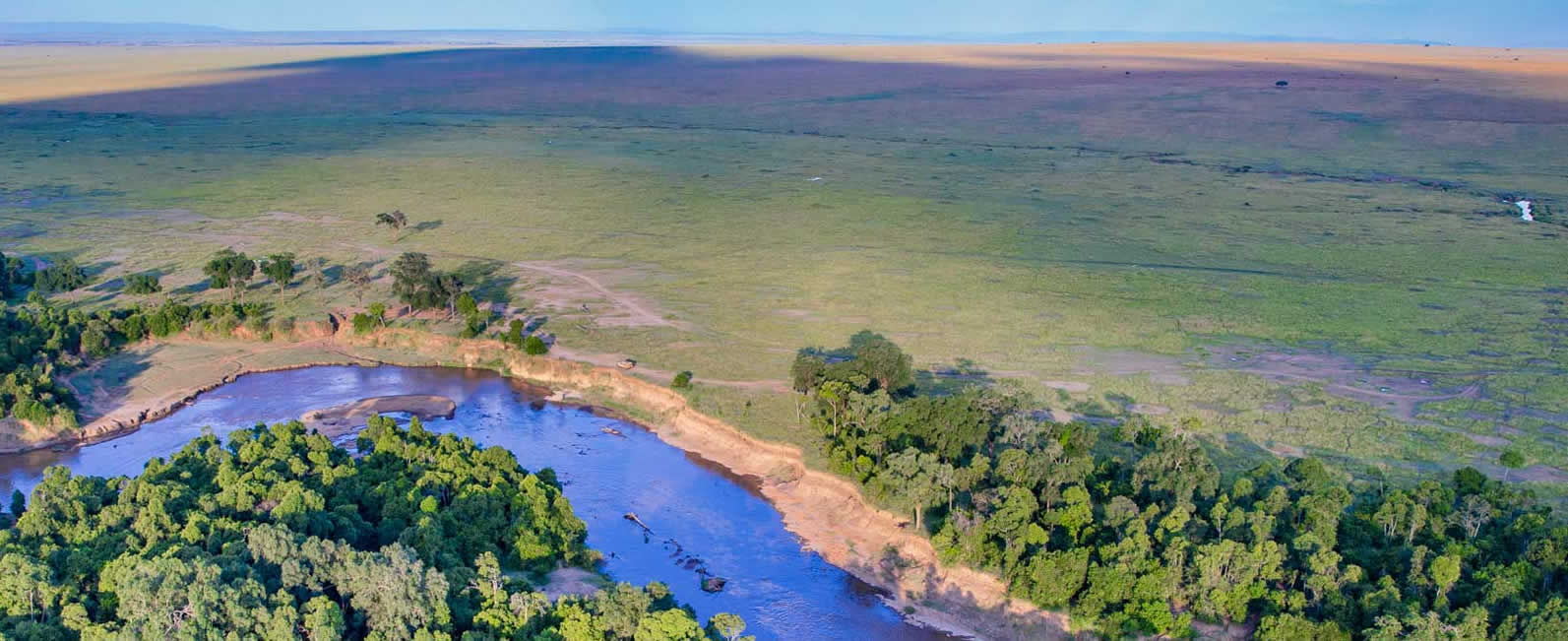
Explore Our Services
Lorem Ipsum is simply dumy text of the printing typesetting industry.
