
Ruaha National Park: Self-Drive Safari in Tanzania's Largest Wilderness
Ruaha National Park stands as one of Africa’s most extraordinary and underappreciated safari destinations. Tucked deep in the heart of Tanzania, far from the well-worn tourist trails of the Serengeti, this vast wilderness rewards those willing to venture off the beaten path with an experience that feels genuinely raw, remote, and unforgettable. Covering over 20,000 square kilometres, Ruaha is Tanzania’s largest national park and one of the biggest in all of Africa, yet it draws only a fraction of the visitors that flock to its more famous counterparts. That exclusivity is precisely what makes it so special.
An Overview of Ruaha National Park
While both Ruaha National Park and Nyerere National Park (formerly Selous Game Reserve) rank among Tanzania’s finest safari destinations, each offers a distinctly different experience. Ruaha is defined by its rugged, sun-baked terrain, its sweeping vistas, and its extraordinary concentration of wildlife. The park sits on the edge of the Eastern Rift Valley, where habitats transition between the dry woodlands of southern Tanzania and the open plains more typical of the north. This ecological transition zone creates an exceptional diversity of species found nowhere else in a single park.
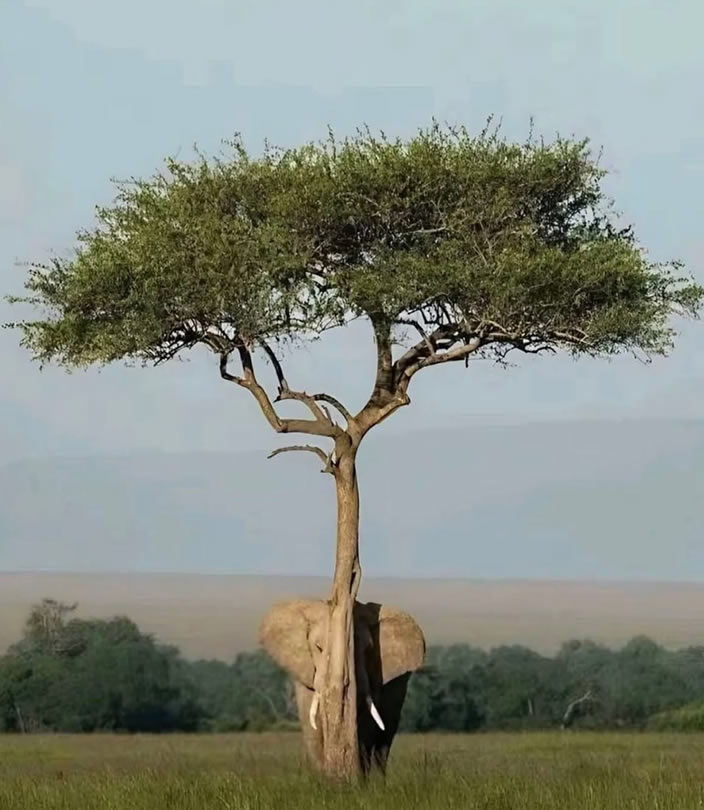
Ruaha is home to the largest elephant population in East Africa, with an estimated 10,000 of these magnificent animals roaming freely across its plains and riverine forests. The park also supports an extraordinary density of lions — hosting approximately 10% of the world’s total lion population — placing it among the most important lion strongholds on the planet. Beyond the big cats, visitors can encounter leopards, cheetahs, and the elusive African wild dog, one of the continent’s most endangered carnivores. Herbivores abound too, from massive herds of buffalo and zebra to rarer species like roan antelope, sable antelope, greater kudu, and eland. Giraffes, impalas, crocodiles, monitor lizards, and bat-eared foxes round out the remarkable cast of characters that call this park home.
Exceptional Big Game Viewing
Few places in Africa rival Ruaha when it comes to sustained, high-quality wildlife encounters. The park’s relative isolation means fewer vehicles, wider-open spaces, and a more authentic sense of being immersed in the wild. Big game sightings here feel earned rather than orchestrated.
The dry season, which runs roughly from June through October, is widely regarded as the best time to visit. As the landscape dries out and water sources diminish, wildlife congregates along the Great Ruaha River, creating extraordinary viewing opportunities. Lions stalk prey along the riverbanks, leopards drape themselves across the branches of acacia trees, and elephants gather in large groups to drink and bathe. Cheetahs use the open plains to hunt with breathtaking speed, while African wild dogs — present in one of the largest populations in Tanzania — range widely across their territories in tight-knit, energetic packs.
Even during the wetter months from November to February, Ruaha transforms into a lush, verdant paradise, with migratory birds arriving in large numbers and newborn animals taking their first tentative steps. The rain-fed grasses attract massive herds of herbivores, which in turn draw predators, ensuring year-round drama and spectacle.
Diverse and Dramatic Landscapes
One of Ruaha’s most distinctive qualities is the sheer variety of its landscapes. Unlike parks that are defined by a single dominant terrain, Ruaha encompasses a striking mosaic of environments that shifts dramatically as you travel through it.
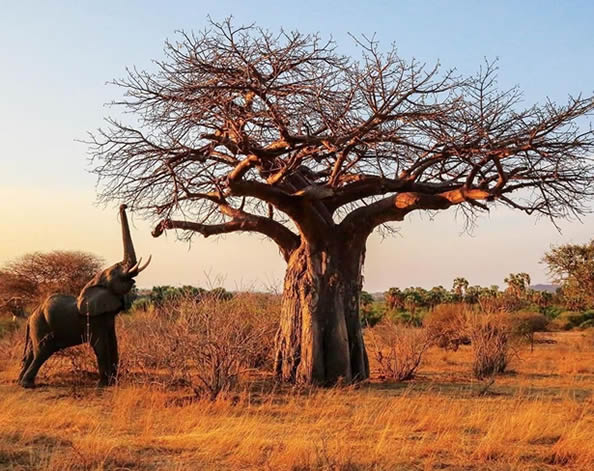
Gently undulating hills rise and fall across the horizon, interspersed with vast open plains where the grass waves in the dry-season wind. Ancient baobab trees — some of them thousands of years old — punctuate the skyline like natural monuments, their swollen trunks and skeletal branches giving the landscape an almost prehistoric quality. Dense miombo woodlands stretch across large portions of the park, home to a wealth of bird and mammal species that prefer shaded cover. Rocky outcrops and granite kopjes provide vantage points for predators and sheltered habitat for smaller creatures like klipspringers and rock hyraxes.
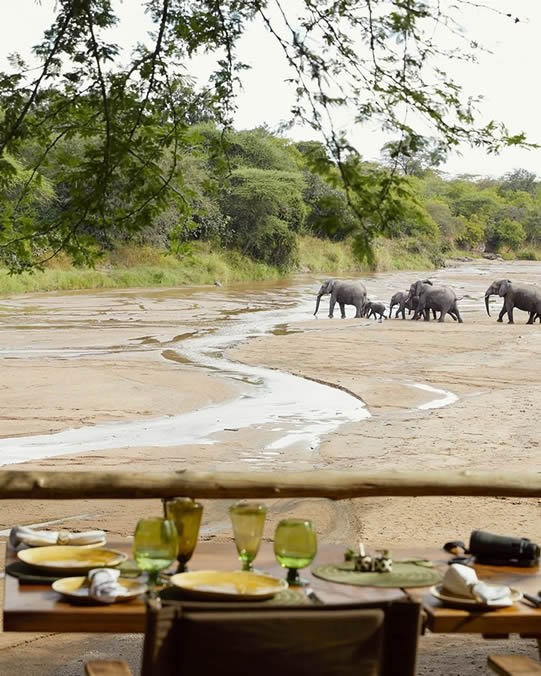
Running through the heart of the park, the Great Ruaha River serves as the lifeblood of this entire ecosystem. It draws wildlife from enormous distances, particularly during the dry season, and the riverine vegetation along its banks supports species that would otherwise struggle to survive in such an arid environment. Hippos wallow in its deeper pools, Nile crocodiles bask on the sandbanks, and fish eagles call from the treetops overhead. The river is not merely a scenic backdrop; it is the pulse of Ruaha’s wild world.
Walking Safaris: Getting Closer to the Wild
For those seeking a more immersive and intimate encounter with the bush, walking safaris in Ruaha offer an experience that no game drive can replicate. On foot, the scale of the wilderness shifts entirely. Every track in the dust tells a story, every rustle in the undergrowth demands attention, and the heightened awareness that comes with walking among Africa’s wildlife is both humbling and electrifying.
As the dry season sets in and the vegetation opens up, Ruaha becomes one of Tanzania’s premier walking safari destinations. Licensed and highly experienced guides lead small groups through the terrain, interpreting the landscape with an expert eye — pointing out animal spoor, identifying medicinal plants, explaining the ecological relationships between species, and reading the environment in ways that most visitors would never notice from a vehicle.
Walking safaris in Ruaha typically range from gentle two-hour morning walks to full-day expeditions that cover significant distances through the bush. The pace is deliberate and thoughtful, prioritising quality of observation over distance covered. Encounters during walks carry a particular intensity; spotting a herd of elephants on foot or hearing lions call from a nearby thicket engages a primal awareness that is hard to describe but impossible to forget.
Bird Watching: A Paradise for Avian Enthusiasts
Ruaha is one of Africa’s finest bird watching destinations, with an impressive tally of over 540 recorded species making it exceptional even by continental standards. The park’s position at the ecological boundary between southern and eastern African habitats means it attracts a remarkable variety of species, including many that are rarely seen in Tanzania’s more northerly parks.
Raptors are a particular highlight. Martial eagles, bateleurs, African hawk-eagles, and several species of vulture can be spotted soaring on thermals above the plains. Along the Great Ruaha River, kingfishers, herons, egrets, storks, and the African skimmer provide excellent waterbird viewing throughout much of the year. In the woodlands, the lilac-breasted roller, Bohm’s bee-eater, racket-tailed roller, and various species of hornbill add vivid splashes of colour to the canopy.
During the wet season from November through April, Ruaha’s bird watching reaches its annual peak as migrants from Europe and northern Africa swell the resident population. Waders, warblers, and raptors arrive in numbers, and many resident species come into full breeding plumage, making identification and photography particularly rewarding. Whether you are a lifelong lister or simply someone who appreciates the beauty of birds in flight, Ruaha will not disappoint.
Self-Drive Safaris: Freedom to Explore
For adventurous travellers who prefer to set their own pace, Ruaha offers the possibility of self-drive safaris — a less common option in Tanzania that suits independent-minded visitors with genuine off-road experience. Navigating this vast park independently provides a profound sense of freedom and discovery, but it demands careful preparation.
The first and most important requirement is a robust, reliable four-wheel-drive vehicle. Ruaha’s tracks range from compacted dirt roads to deeply rutted, challenging terrain that can be unforgiving of underpowered or poorly maintained vehicles. A high-clearance 4×4 is not optional — it is essential. Visitors should carry a comprehensive paper map alongside a GPS device, as connectivity in the park is limited and digital navigation alone cannot always be relied upon.

Before setting out, it is vital to familiarise yourself with the park’s rules and regulations. Speed limits must be respected, off-track driving is strictly prohibited to protect the fragile habitat, and wildlife should never be approached too closely or disturbed. A well-stocked cooler, ample water, a first aid kit, and basic vehicle repair tools should form the foundation of every self-drive packing list. Informing your accommodation of your planned route and expected return time is a sensible precaution in such a remote and expansive environment.
The reward for this careful preparation is a safari experience that feels entirely your own — winding down a dry riverbed at dawn with no other vehicles in sight, watching a pride of lions on your own terms, and experiencing the silence of one of Africa’s last true wildernesses.
Planning Your Visit to Ruaha
Ruaha National Park is accessible by scheduled light aircraft flights from Dar es Salaam, Arusha, and the Zanzibar archipelago, landing at the park’s airstrip before a short transfer to your lodge. Road access from Iringa, the nearest town, takes approximately two hours on a mix of sealed and dirt roads. A growing selection of camps and lodges ranging from intimate tented camps to more established permanent lodges operate within and on the borders of the park, offering everything from budget-friendly options to exclusive fly-in safari experiences.
Whatever the season or style of travel, Ruaha National Park delivers an encounter with the African wilderness that lingers long after the journey home. Its scale, its solitude, and its extraordinary concentration of wildlife make it, quite simply, one of the continent’s great safari destinations.
