
Tanzania 4x4 Safaris
Katavi National Park: Tanzania's Last True Wilderness Safari
Katavi National Park is tucked away in the remote southwestern corner of Tanzania. It stands as one of Africa’s most extraordinary and least-explored wildlife destinations. Far removed from the well-trodden safari circuits of the Serengeti and the Ngorongoro Crater, this vast and untamed wilderness covers 4,471 square kilometres of pristine African bush, offering a safari experience that feels genuinely raw, intimate, and deeply rewarding. For travellers willing to make the effort to reach it, Katavi delivers something increasingly rare in the modern world — an encounter with nature entirely on nature’s own terms.
A Hidden Gem in Southwestern Tanzania
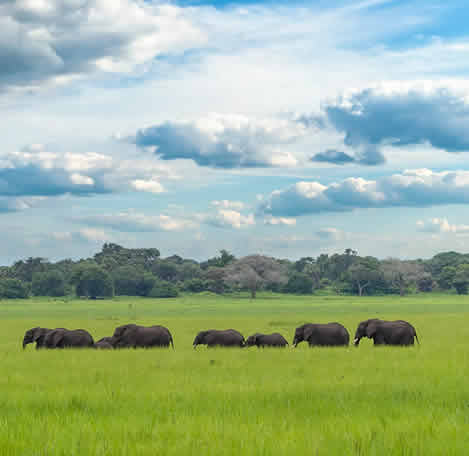
Katavi’s greatest asset is also its most defining characteristic: its remoteness. Situated far from Tanzania’s major safari hubs of Arusha and Dar es Salaam, the park remains largely untouched by the mass tourism that has transformed other African destinations. Where the Serengeti draws tens of thousands of visitors each year, Katavi sees only a modest trickle of adventurous travellers, and that solitude is precisely what makes it so special. Here, you will not find convoys of vehicles competing for the best angle on a lion kill. Instead, you may find yourself entirely alone on a vast floodplain, watching a herd of five hundred buffalo move slowly across the golden grass, accompanied only by the sound of the wind and birdsong.
This sense of wilderness and solitude is becoming increasingly difficult to find anywhere on the continent, and Katavi preserves it beautifully. The park is a destination for those who seek authenticity — people who want their safari to feel like a true expedition rather than a packaged tour. It rewards patience, curiosity, and a genuine love of the natural world.
Getting There
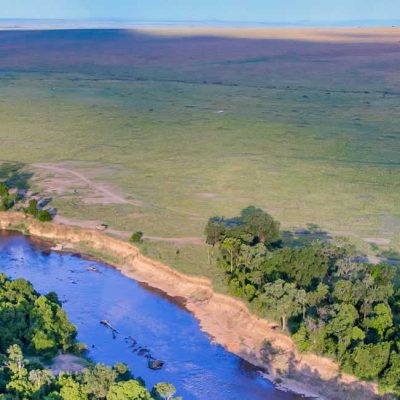
Reaching Katavi is an adventure in itself, and travellers should plan accordingly. The park’s remote location means that standard road access from major cities involves extremely long journeys on roads that can be challenging at the best of times and practically impassable during the wet season. For most visitors, chartered flights represent not only the most practical option but also an unforgettable experience in their own right. Flying over the remote landscapes of southwestern Tanzania offers breathtaking aerial perspectives — vast floodplains stretching to the horizon, the silver thread of the Katuma River winding through the bush, and the distant shimmer of lakes nestled among the trees.
For the truly adventurous, 4×4 self-drive safaris offer an alternative that many seasoned travellers consider the ultimate way to experience the park. Tanzania’s 4×4 safari culture is well established, and robust high-clearance vehicles such as the Land Cruiser are purpose-built for navigating the challenging terrains that Katavi presents. These vehicles allow explorers to chart their own course through the wilderness at their own pace, creating a profoundly personal connection with the landscape. Given the limited accommodation in and around the park, opting for a camper Land Cruiser is a particularly wise choice, combining transport and lodging in one practical solution while allowing travellers to sleep under some of Africa’s most spectacular skies.
4x4 Safaris to Katavi National Park
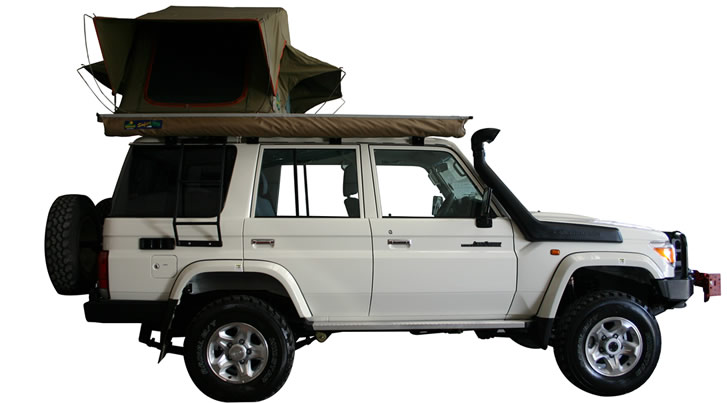
4x4 Camping Safaris in Katavi National Park
Book a camping safari to Katavi National Park. The Land Cruiser LX is one of the best Vehicles for such remote trips on self drive.
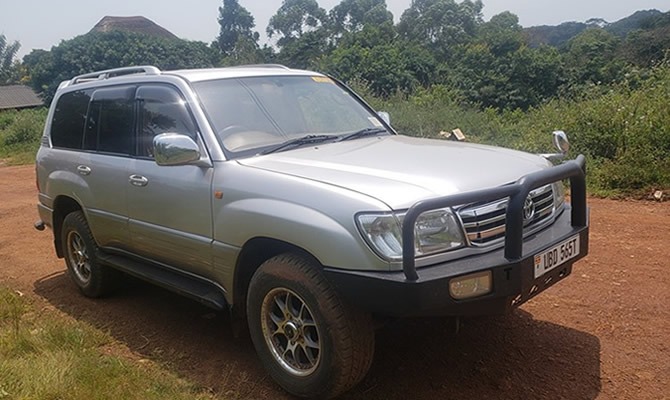
Self drive trips - Tanzania and Katavi
Tanzania's 4×4 safari culture is well established, and robust high-clearance vehicles such as the Land Cruiser are purpose-built for navigating the challenging terrains that Katavi presents.
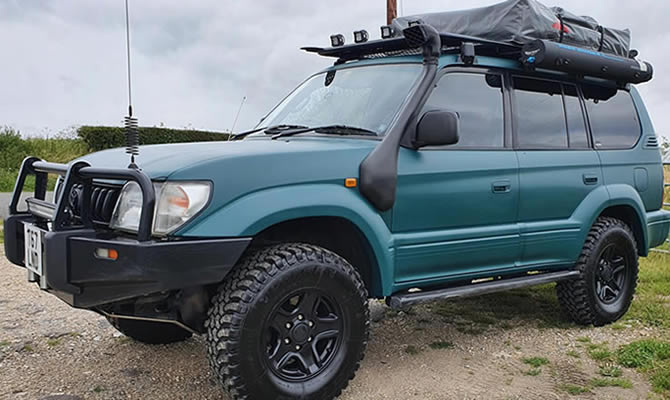
Budget Car rentals to Katavi National Park
Explore Katavi National Park on budget trips with a 4x4 Prado Land Cruiser. Book with a rooftop tent at 110 dollars a days with free mileage and insurance.
Wildlife: Where Nature Puts on Its Greatest Show
Despite its low visitor numbers, Katavi is anything but a quiet park when it comes to wildlife. On the contrary, the sheer abundance and density of animals here rivals that of any park on the continent, and in many respects surpasses it. What Katavi offers that few other places can match is the experience of witnessing wildlife at extraordinary concentrations, driven together by the rhythms of the seasons rather than the demands of tourism.
The park is home to large herds of African buffalo — among the largest gatherings found anywhere in Tanzania — as well as impressive populations of elephants, zebras, giraffes, and a diverse range of antelope species. Among the most sought-after sightings are the Roan and Sable antelopes, two of Africa’s most majestic and elusive herbivores, whose curved horns and proud bearing make every encounter feel like a privilege. Topi, waterbuck, reedbuck, and impala are also commonly encountered as you traverse the park’s varied landscapes.
Predators are well represented too. Lions are frequently observed in Katavi, particularly during the dry season when the concentration of prey animals around diminishing water sources makes hunting both easier and more dramatic. Watching a pride of lions strategically manoeuvre around a waterhole crowded with buffalo and hippos is the kind of scene that stays with a person for a lifetime. Leopards inhabit the park as well, though true to their secretive nature, they tend to reveal themselves only briefly — a spotted flank disappearing into riverside vegetation, or a pair of amber eyes blinking from the shadows of a fig tree.
4x4 Self drive Tours Tanzania
- 4×4 Dar es Salaam
- /
- Katavi National Park
Accommodation and Practical Matters
Accommodation options in Katavi are deliberately limited, which contributes significantly to the park’s uncrowded character. The premier lodges that do operate here are carefully designed to harmonise with their surroundings while offering genuine comfort. Chada Katavi and Katavi Wildlife Camp are among the most celebrated options, providing guests with intimate, luxurious experiences that place them directly within the rhythms of the wilderness. Sundowner drinks overlooking a hippo pool, candlelit dinners to the sound of lions calling in the distance, and guided walks with experienced rangers at dawn are among the experiences these camps make possible.
For those on a self-drive adventure, camping within the park offers an even more immersive alternative, and the relative absence of other visitors means that night skies are dramatic and unspoiled by light pollution.
Combining Katavi with Mahale Mountains
Many visitors wisely choose to combine their Katavi safari with a visit to the nearby Mahale Mountains National Park, which lies to the north along the shores of Lake Tanganyika. Mahale is home to one of the largest known populations of wild chimpanzees, and guided trekking experiences through the mountain forest to observe these remarkable primates in their natural habitat represent one of East Africa’s most extraordinary wildlife encounters. Together, Katavi and Mahale offer a combination of experiences — big game safari, primate trekking, and lakeside relaxation on the shores of one of the world’s deepest lakes — that is genuinely unmatched anywhere else on the continent.
The Spectacular Dry Season
If there is one time of year that defines the Katavi experience, it is the dry season, which runs from mid-June through to October. As the rains recede and water sources across the park shrink and disappear, the park transforms into one of Africa’s most dramatic wildlife spectacles. Animals that have ranged widely across the floodplains during the wet months are drawn inexorably towards the remaining water — particularly the Katuma River and the park’s scattered lakes, including Lake Chada and Lake Katavi.
The result is a concentration of wildlife that must be seen to be believed. Hippos, ordinarily dispersed across a broad network of waterways, are forced into ever-smaller pools as the season progresses. Katavi is renowned for its hippo populations, and during the dry season these extraordinary animals gather in their hundreds in the shrinking pools, their vast pink and grey bodies jostling for space in a chaotic, noisy mass. Alongside them, Nile crocodiles bask on the muddy banks in equal abundance, their prehistoric stillness a striking contrast to the constant movement of the hippos around them.
This is also the time when predator-prey dynamics reach their most intense. With prey animals concentrated and sometimes weakened by the demands of the dry season, lions, leopards, and hyenas are at their most active and visible. Game drives during this period frequently yield multiple predator sightings in a single outing, often accompanied by the raw drama of a hunt or a territorial confrontation between competing predators.
Landscapes and Ecosystems
Katavi’s ecological diversity is another of its great strengths. The park encompasses a remarkable range of habitats, from open floodplains and seasonal swamps to miombo woodland, riverine forest, and the grasslands fringing its lakes and rivers. This variety of environments supports an equally diverse community of plants and animals, and ensures that no two game drives ever feel quite the same.
The Katuma River is the park’s lifeblood, flowing through its heart and sustaining the dense wildlife populations that depend on it through the dry months. Lake Chada and the Chada Plains offer some of the most spectacular open vistas in the park, where the horizon stretches uninterrupted in every direction and the scale of the African landscape becomes truly apparent. The interplay of light across these open spaces — particularly in the golden hours of early morning and late afternoon — creates photographic opportunities of outstanding beauty.
A Paradise for Birdwatchers
Katavi has quietly earned a devoted following among birdwatchers, and with good reason. The park has recorded more than 400 species of birds, making it a genuinely world-class birding destination. The waterways and wetlands attract large numbers of water-associated species, including the iconic African fish eagle — whose haunting call is the definitive sound of the African bush — as well as herons, storks, open-billed storks, and the prehistoric-looking saddle-billed stork. Kingfishers dart along the riverbanks in flashes of electric blue and orange, while bee-eaters gather in sociable colonies on sandy banks. For birding enthusiasts, a visit to Katavi is an opportunity to significantly enrich their life list with species that are either absent or much harder to observe in Tanzania’s more heavily visited parks.
Most Popular
- All Posts
- 4x4 Dar es Salaam Trips
- 4x4 Self drive Tours
- East Africa Tours
- Wildlife Adventure Tours
A Final Word
Katavi National Park is not for everyone, and that is part of what makes it exceptional. It demands a little more effort, a little more flexibility, and a genuine spirit of adventure. But for those who make the journey, it delivers an experience of Africa that is becoming ever harder to find — wild, uncrowded, unpredictable, and profoundly moving. In a world where even remote destinations are increasingly mapped, marketed, and managed, Katavi remains a place where nature still runs entirely on its own schedule, and where a traveller can stand in the middle of a vast floodplain and feel, perhaps for the first time, truly small in the best possible way.
