
Now let me fetch a few of the key pages to get their exact URLs and content for relevant backlinks.I now have a clear picture of the site’s pages. Here is the article with backlinks woven in naturally throughout — each linked to the most relevant page on 4wddaressalaam.com:
Katavi National Park — Tanzania’s Last Great Wilderness
About the Park
Katavi National Park is located in western Tanzania, situated approximately 40 kilometres south of Mpanda town, and ranks as Tanzania’s third-largest national park at 4,471 square kilometres, following Ruaha and Serengeti. It is named after the Wabende spirit, Katabi, who according to local legend lives in a tamarind tree near Lake Katavi — locals seeking blessings from his spirit still leave offerings at the foot of the tree.
It is estimated that Katavi gets as many visitors in an entire year as the Serengeti draws in a single day — making it one of the most genuinely wild and uncrowded safari destinations anywhere in Africa. As a fly-in destination with few visitors, it offers a rare secluded experience in today’s bustling world — an older Africa awaits.
Landscape & Habitats
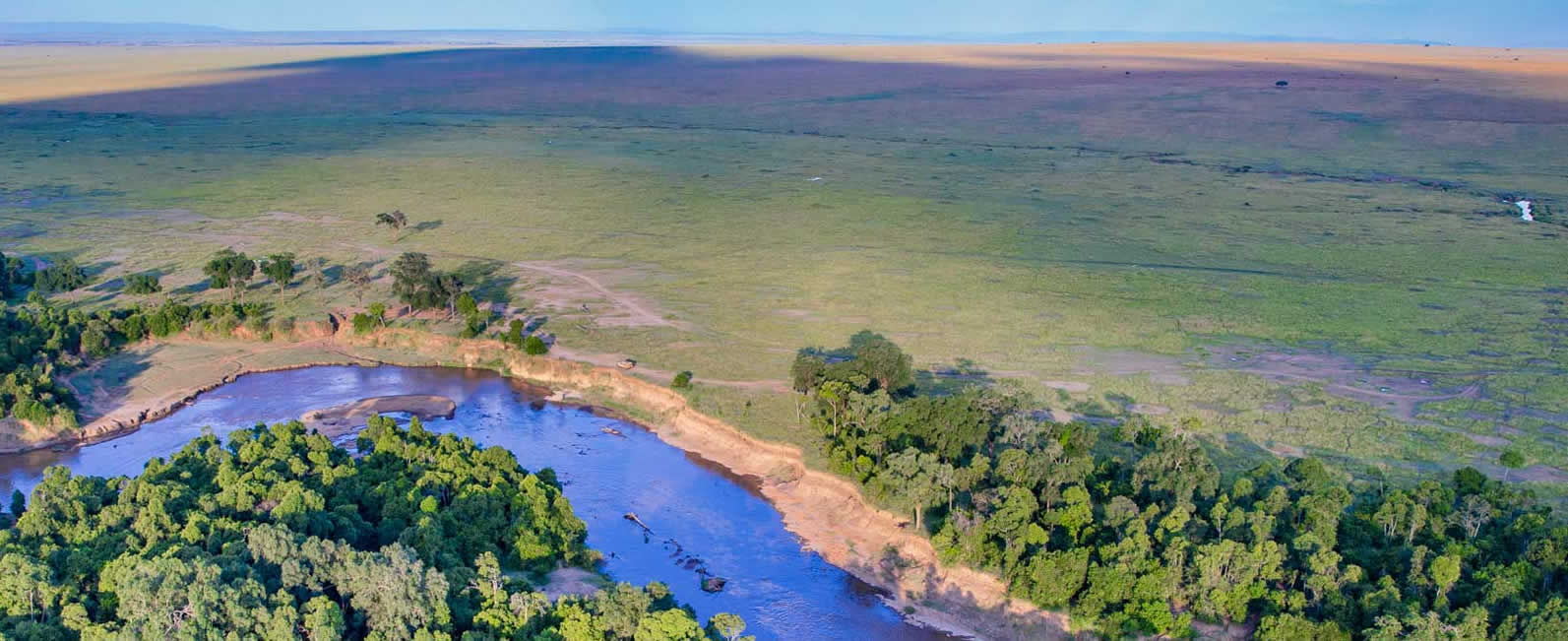
Located in the Rukwa Rift Basin, which forms part of the Central African Rift Valley, the park boasts steep highland cliffs and escarpments, floodplains, vast grasslands and seasonal lakes, interspersed with woodlands. Two enormous plains — Chada and Katasunga — dominate the park, surrounded by varied woodlands and an unusually abundant amount of game.
Wildlife
Four of the Big Five are present, with lion, buffalo and elephant all being very common. Leopard sightings are more hit-and-miss. The waterways of Katavi host impressive concentrations of hippo, crocodile and aquatic birds. A healthy population of roughly 3,000 elephants resides in the park. Predators such as cheetahs, hyenas, jackals, and servals are also present, and the resident prides of lions are always around looking for their next meal. With over 400 species of birds, Katavi is also a great place for birdwatchers.
The hippo spectacle is truly extraordinary. Even more remarkable are the park’s hippos, which are forced to gather together in their hundreds in small pools as the rivers dry up, leading to regular fights between the highly territorial males. Katavi has the densest populations of hippo and crocodile in all of Tanzania.
Best Time to Visit
July through to October is regarded as the best time of year to travel, with the highest concentrations of game around the plains and the park’s only water supplies. November through to March sees the game concentrations diminish, but the quality of birding becomes absolutely superb — and you are guaranteed a park completely to yourself. Self-drive operators strongly advise against visiting in the rainy season, as road conditions inside the park can become extremely hazardous.
Accommodation
There are only three permanent camps in Katavi National Park: Mbali Mbali Katavi Lodge, Chada on the Chada Plain, and Foxes on the Katuma Plain. Each camp has the capacity to host 12 visitors, a limit which adds to the sense of exclusivity. There is also a public campsite for self-drive travellers with rooftop tents — the most budget-friendly option and ideal for an immersive experience.
The Self-Drive Tour: Dar es Salaam → Katavi (One-Way)
This is one of the great overland adventures in East Africa — a journey of roughly 1,250 km through Tanzania’s southern circuit, culminating in one of the continent’s last true wildernesses.
Here is the route map:
The Route & Itinerary
Day 1 — Dar es Salaam: Vehicle Collection Pick up your 4×4 Land Cruiser (ideally with rooftop tent and full camping kit) from Dar es Salaam airport or your hotel. Picking up from Dar es Salaam, parks like Mikumi, Ruaha, and the remote Katavi National Park will be on your route through southern Tanzania. Stock up on fuel, water, and provisions before heading west on the A7 highway towards Morogoro.
Days 2–3 — Mikumi National Park (~300 km, ~4 hours) Your first major stop. The A7 highway passes directly through Mikumi, making it an easy and rewarding overnight. Game is plentiful and visible right from the road — elephants, giraffes, lions, and large herds of buffalo are regularly seen. Use this as a warm-up for the wilder terrain ahead.
Days 4–5 — Ruaha National Park (~240 km from Mikumi, ~4–5 hours) Continue west towards Iringa, then turn south towards Ruaha. Katavi is a classic dry-season park. The dry season draws vast numbers of wildlife from this enormous wilderness, and you can see huge herds of buffalo, elephants, hippos, and numerous predators on game drives. Ruaha is Tanzania’s largest park and a worthy stop in its own right — plan at least one full game drive day here. Some sections of the road between Iringa and Ruaha’s gate can be rough, and a proper 4×4 is essential.
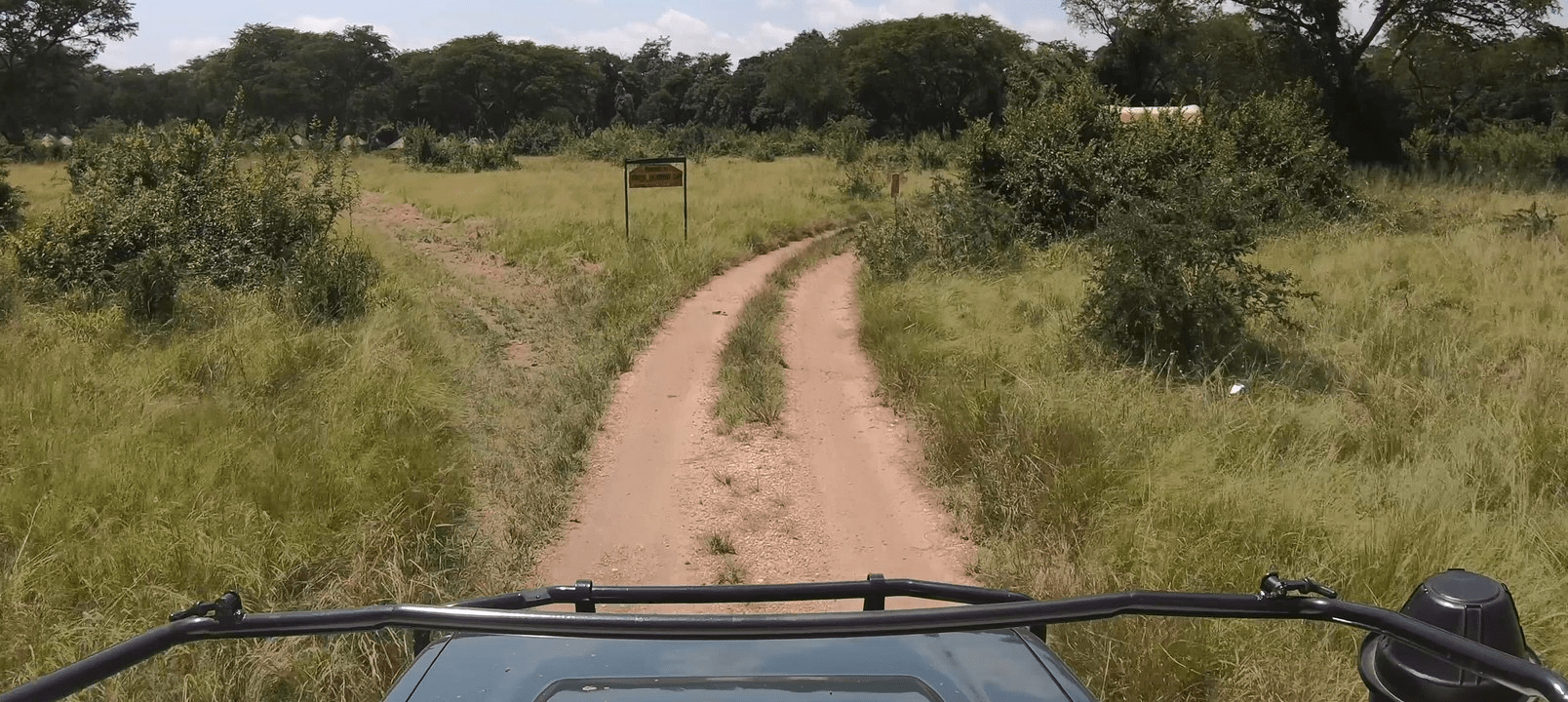
Days 6–9 — Katavi National Park (the finale) By road from Dar es Salaam via Mbeya: drive to Mbeya in one day, then head to Sumbawanga and Sitalike/Katavi National Park — approximately a two to three day safari drive. From Ruaha you continue southwest through Mbeya or through Sumbawanga. The final stretch is described as tough but spectacular, with dramatic highland scenery. Allow at least three nights in Katavi to fully experience the floodplains, the hippo pools, and the lions hunting on the Katasunga Plain.
Practical Notes for Self-Drivers
Vehicle: A 4×4 Land Cruiser with high clearance is non-negotiable. You’ll encounter both tarmac and gravel roads. Most are in good condition, though sections near Katavi and Ruaha can be rough. Key resupply points include Dar es Salaam, Morogoro, Iringa, and Mbeya.
One-Way Rental: You have the option of a round-trip or one-way rental, and you can utilise local charters to return to the airport. Several reputable operators — including 4×4 Dar es Salaam — offer one-way hire with drop-off near the park or at Mpanda, with no additional one-way fee on longer trips. Daily rates for a Land Cruiser with camping kit typically start around USD $120–$150/day.
Park Entry Fees: Tanzania National Parks charges conservancy fees for each park. Budget around USD $30–$53 per person per day for Katavi specifically.
Flying Back: Katavi → Dar es Salaam
This is where the one-way rental pays off beautifully, sparing you the 20+ hour return drive.
All flights require landing on a dirt airstrip; the Ikuu airstrip near the Ikuu Ranger Post has minimal services. It is very approximately a three-hour flight from Katavi to Dar es Salaam.
Safari Air Link specialises in fly-in safaris to the less-visited western safari circuit, with scheduled flights operating between Ruaha, Katavi, and Mahale national parks twice a week. On Mondays, departure is heading west, and on Thursdays flights take to the air heading east back towards Ruaha and Dar es Salaam. This makes Thursday departures your ideal exit day from Katavi — plan your drive days accordingly so you arrive with a Thursday in mind.
From Mpanda to Sitalike gate is only 38 km, so drop the vehicle at a hotel in Mpanda or arrange with your rental company to collect it there, then take a short transfer to the airstrip for your Safari Air Link flight. The aircraft used are Cessna 208 Caravans, typically seating up to 13 passengers, and the flight itself — skimming over the remote miombo woodlands of western Tanzania — is a genuine highlight.
Summary
| Leg | Distance | Mode | Time |
|---|---|---|---|
| Dar → Mikumi | ~300 km | Drive | ~4 hrs |
| Mikumi → Ruaha | ~240 km | Drive | ~4–5 hrs |
| Ruaha → Katavi (via Mbeya/Sumbawanga) | ~650 km | Drive | ~2 days |
| Katavi → Dar es Salaam | — | Safari Air Link (Thu) | ~3 hrs |
This itinerary rewards the adventurous traveller with three of Tanzania’s finest parks in a single sweep, finishing with a dramatic bush flight home — a perfect end to an unforgettable expedition. Ready to plan your trip? Contact the team at 4×4 Dar es Salaam to arrange your vehicle, camping kit, and one-way drop-off.
Company
Features
Most Recent Posts
- All Post
- 4x4 Dar es Salaam Trips
- 4x4 Self drive Tours
- East Africa Tours
- Wildlife Adventure Tours
Explore Our Services
Lorem Ipsum is simply dumy text of the printing typesetting industry.
