
Self-Drive Safari in Tanzania's Coastal Region: Saadani, Mikumi & Nyerere
The Appeal of the Southern & Coastal Circuit
Tanzania’s coastal safari region is one of Africa’s best-kept secrets. While the northern circuit — Serengeti, Ngorongoro, and Tarangire — draws the crowds, the south and coast offer something rarer: raw, unfiltered wilderness with few other vehicles in sight. Southern Tanzania offers a safari experience unlike any other in East Africa — wild, remote, and beautifully untouched. While many travelers focus on the northern circuit, the southern parks provide a more exclusive and authentic journey into nature, ideal for those seeking fewer crowds, vast landscapes, and incredible wildlife encounters in a truly tranquil setting.
Embarking on a self-drive safari in Tanzania is one of the most thrilling and liberating ways to experience East Africa’s rich wildlife, diverse landscapes, and vibrant cultures. Unlike guided tours, a self-drive adventure offers the freedom to explore at your own pace and connect more intimately with nature. The coastal circuit, anchored in Dar es Salaam, gives you a natural hub from which to explore three extraordinary parks — Saadani, Mikumi, and the Nyerere (formerly Selous) — before potentially pushing further inland to Ruaha.
What You Need Before You Go
Self-driving in Tanzania is an increasingly popular option thanks to improvements in the country’s highways and national park roads. That said, if you plan to drive yourself, it’s highly recommended to have prior self-driving experience in other African countries. A 4×4 is essential for navigating Tanzania’s varied terrains. Make sure your vehicle is well-equipped with spare tires, a jack, and basic repair tools.
A visitor will need to rent a car for self-driving and obtain a permit to enter the national parks and other conservation sites of Tanzania, such as controlled areas and game reserves, with the aid of an international driving license. It is also worth noting that gas is fairly expensive in Tanzania at about $1.20 per liter. You’ll want to secure your Ngorongoro Permit with your car rental company before you go; the rest of the park tickets you can purchase when you arrive.
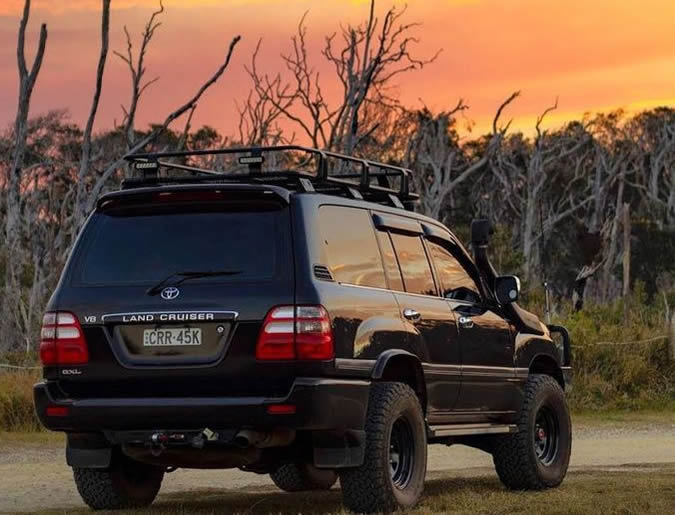
Land Cruiser V8
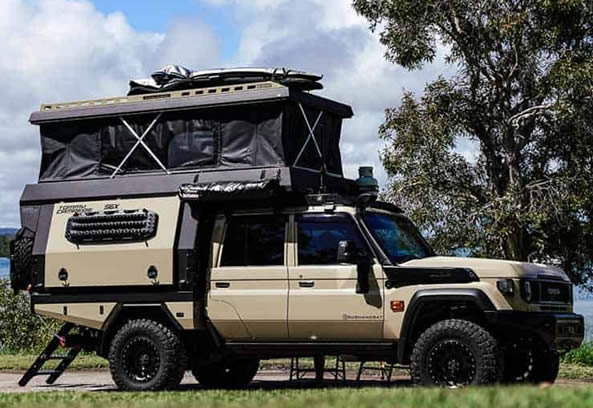
For any Tanzania road trip, a sturdy 4x4 is essential requirement. Book the Land Cruiser and drive your safari from Dar es Salaam and opt for a one way self drive trip.
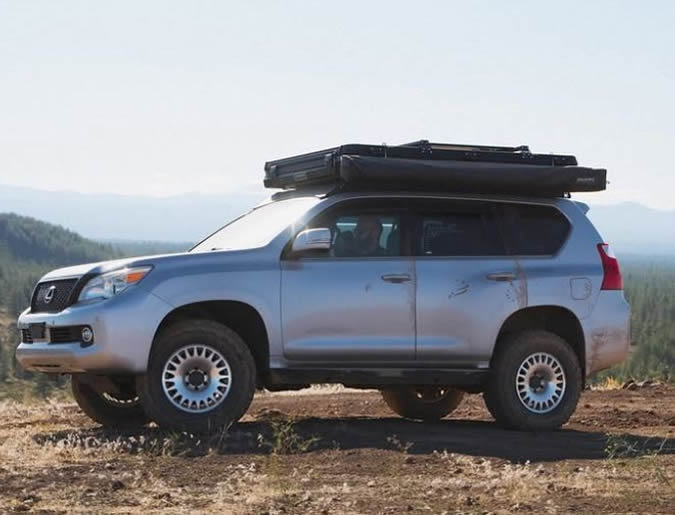
Camping with Budget 4x4
Camping with a sturdy 4x4 in Tanzania is the best option to cut safari costs. Book this for two travellers on camping and explore Tanzania.
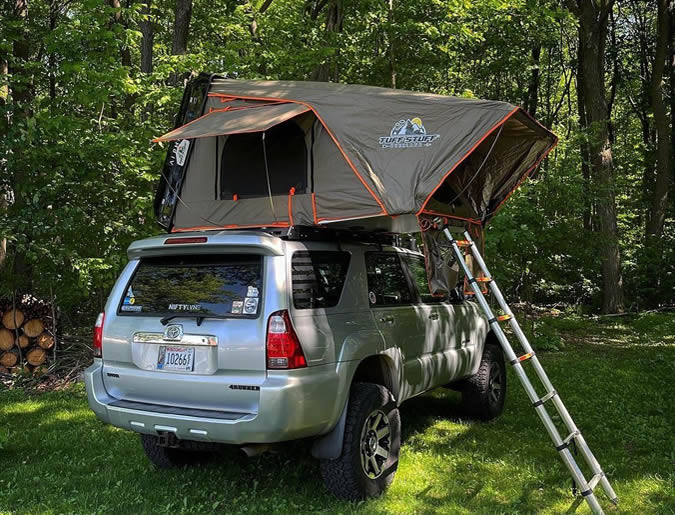
Solo Camping Rooftop tent
If you are travelling alone and need to explore the coastal regions of Tanzania on camping, this 4x4 SURF is an ideal choice. Book at $100/day
Suggested Self-Drive Route from Dar es Salaam
A well-paced 10–12 day coastal self-drive loop could look like this:
- Days 1–2: Dar es Salaam → Saadani National Park (beach + game drives + Wami River boat safari)
- Days 3–5: Saadani → Mikumi National Park (savannah game drives, hippo pool)
- Days 6–8: Mikumi → Nyerere National Park (game drives, boat safari, walking safari)
- Days 9–11: Nyerere → Ruaha National Park via Iringa (elephants, wild dogs, landscape diversity)
- Day 12: Return to Dar es Salaam
Saadani National Park — Where the Bush Meets the Beach
Saadani is perhaps the most unique starting point for a coastal self-drive safari. Saadani National Park has over 1,000 sq km of mixed terrain — coastal pine woods, mangrove swamps, open grasslands, riverine forests, saline flats and classic acacia-dominated savannah. What makes it extraordinary is the setting: Saadani is the only park in East Africa where you can combine a safari with a beach holiday. The Indian Ocean coastline has clean, quiet beaches where you can swim, sunbathe, or take long walks. You might see wildlife tracks in the sand, and sometimes animals like buffalo or elephants wander close to the shore.
Wildlife includes large numbers of hippo, crocodile, giraffe, buffalo, warthog, zebra, gazelle, waterbuck, reedbuck, hartebeest, wildebeest, yellow baboons and vervet monkeys. Lions are making a comeback, with perhaps half a dozen prides around the lodge area; and leopard, spotted hyena and black-backed jackal are also seen.
From Dar es Salaam, the drive takes about 4 to 5 hours via Bagamoyo. The first part of the road is smooth, but closer to the park, the roads can be rough, especially in the rainy season, so a 4×4 vehicle is recommended.
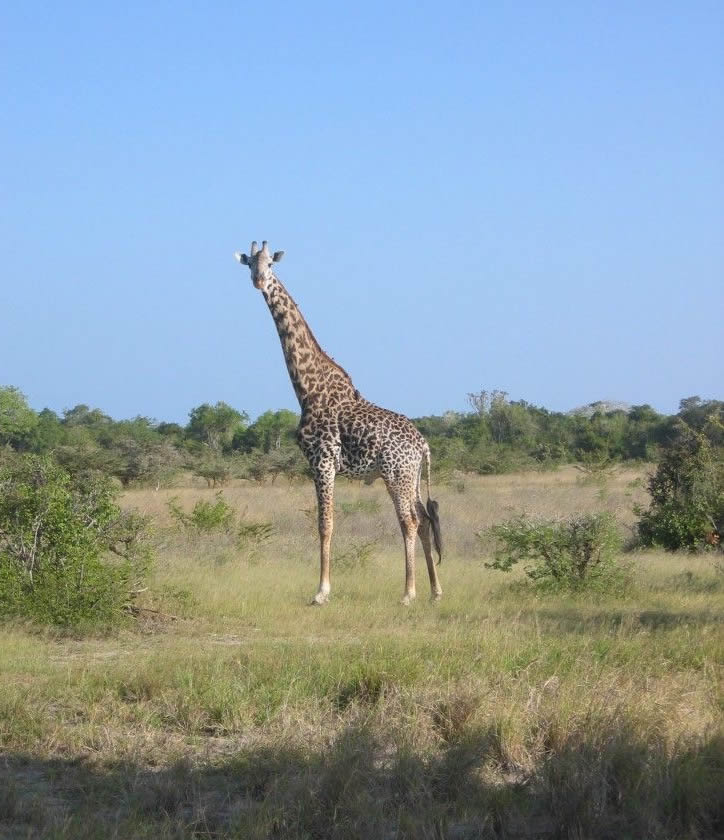
Camping & Mid-Range Lodges at Saadani: Public campsites inside the park allow you to sleep in the middle of nature. At night, you may hear the sounds of wildlife and the ocean waves in the distance. For a mid-range experience, the Tanganyika Coastal Campsite is a good option. For more comfort, Saadani Safari Lodge offers a safari on the beach, located on the southern border of Saadani National Park, where the Wami River enters the warm Indian Ocean — it’s a barefoot paradise in a truly secluded setting, with 9 eco-friendly banda rooms stretching along the sandy beach and offering magnificent ocean views. Saadani River Lodge is another well-regarded option, a reasonably high-specification safari-and-beach property with guest accommodation in 17 rooms and offering a wide range of guided safari, marine, and cultural activities.
Mikumi National Park — The Accessible Serengeti of the South
About 283 km west of Dar es Salaam along the TANZAM Highway, Mikumi is the easiest of the southern parks to access on a self-drive. Mikumi is the most accessible southern Tanzania park and a popular choice for short safaris. Located about 5 to 6 hours from Dar es Salaam, it is perfect for weekend trips or first-time safari visitors.
The open horizons and abundant wildlife draw frequent comparisons to the more famous Serengeti plains, but its location close to Tanzania’s largest city makes Mikumi easier to access. The park has a great variety of animals: elephants, buffalos, zebras and giraffes are relatively easy to spot, as well as lions and many hippos in the resident hippo pool.
The park is well known for its population of elephants, giraffes, buffaloes, zebras, elands, and greater Kudu, wildebeest, roan and sable antelope. Predators include tree-climbing lions, leopards, wild hunting dogs.
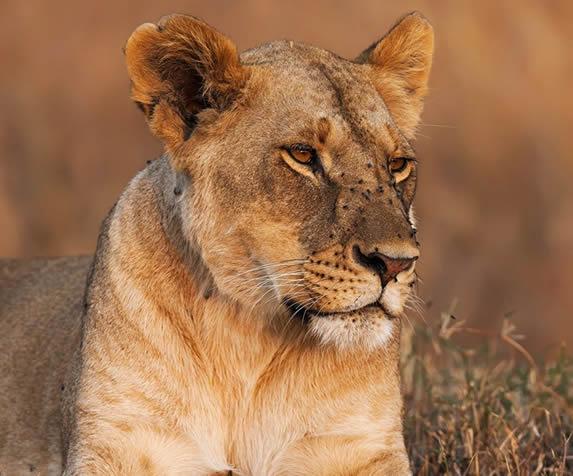
Camping & Mid-Range Lodges at Mikumi: Accommodation options in Mikumi cater well to self-drive travelers on a budget or mid-range. For mid-range travelers, Mikumi Park Bandas are a good option, while budget campers can use Camp Bastian Mikumi. For a more luxurious tented experience, Vuma Hills Tented Camp is perched above the trees stretching over the seemingly endless wilderness southwest of Mikumi National Park. These camps sit at the edges of the park and are well suited to self-drivers who want a comfortable base for multiple game drives.
Nyerere National Park (formerly Selous Game Reserve) — Africa’s Wildest Wilderness
Nyerere National Park is a mosaic of habitats and ecosystems with year-round game viewing. One of the largest protected areas in Africa, it covers over 30,000 sq km and offers an experience unlike any other park on the continent. The Rufiji River flows through the reserve, attracting great herds of Tanzania elephant and also has a wide variety of other animals including lion, wild dog, and crocodiles.
What sets Nyerere apart for a self-drive is the variety of activities available beyond the standard game drive: walking safaris led by armed rangers and thrilling boat safaris along the Rufiji River, where pods of hippos and Nile crocodiles line the banks at sunset. The reserve is 255 km south of Dar es Salaam — approximately 4 hours’ drive on a 4×4 vehicle — crossing through various southern coastal villages and coconut farms, offering glimpses of Tanzanian rural life.
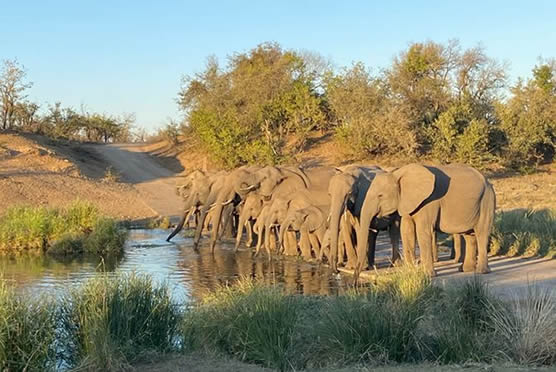
Camping & Mid-Range Lodges at Nyerere: Rufiji River Camp is one of the most well-regarded options in the reserve, combining bush atmosphere with good-quality accommodation. Mid-range options include Selous Mapumziko Lodge and Sable Mountain Lodge Selous, while budget and camping travelers can use Mwagusi Safari Camp or Ngalawa Tented Camp.
Ruaha National Park — The Grand Finale
If you have the time and the driving stamina, extending your coastal self-drive trip further inland to Ruaha is absolutely worth it. Ruaha National Park is the third largest national park in Tanzania. It lies along the Great Ruaha River, is known for its large elephant population, and is a true paradise for birdwatchers with over 570 species. You might catch a glimpse of lions, leopards, giraffes, zebras, crocodiles, elands, sable antelopes, jackals, or the rare African wild dog.
Although Ruaha is one of the largest parks in Africa, it is comparatively unknown and, due to its remoteness, remains unspoiled. The river area features large numbers of hippo and crocodile and attracts lion, leopard, hunting dog, waterbuck, impala, giraffe, warthog and eland. Grant’s gazelle, ostrich and cheetah may be seen on the plains.
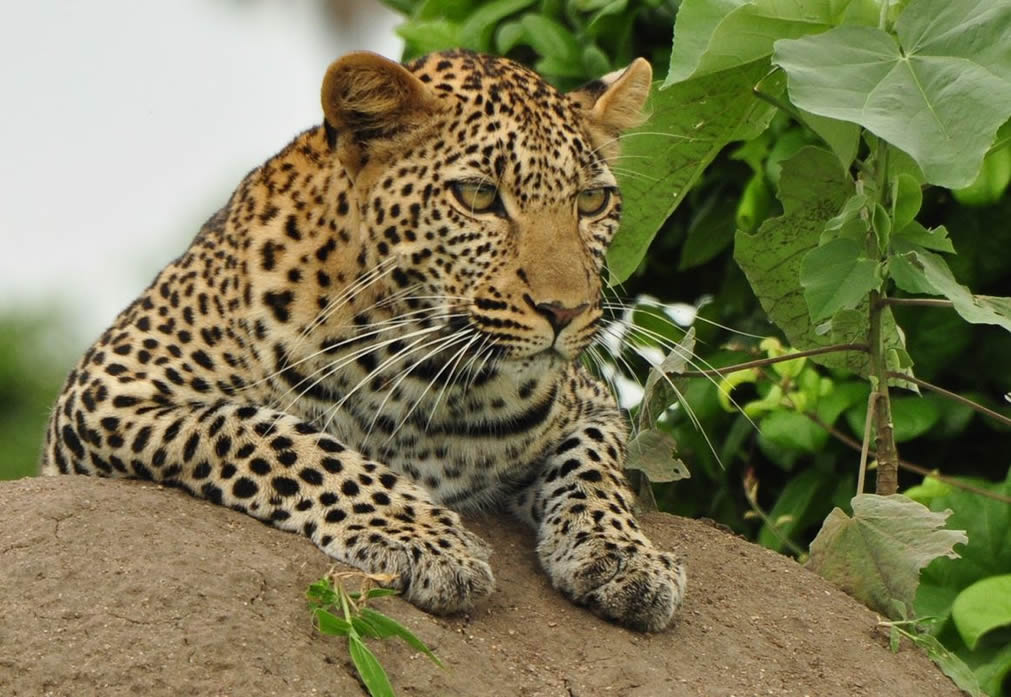
Camping & Mid-Range Lodges at Ruaha: For mid-range travelers, Ruaha River Lodge and Mwagusi Safari Camp are excellent choices, while budget-focused self-drivers can look at Ruaha Hill View Lodge. On the luxury end, Mabata Makali Luxury Tented Camp and Jongomero Camp offer premium experiences for those willing to splurge.
When Is the Best Time to Visit?
Timing is critical for the southern and coastal safari circuit. Wildlife viewing in Nyerere (Selous), Mikumi, and Ruaha National Parks is better during the dry season. The dry months offer good wildlife viewing throughout Tanzania, and the Southern and Western circuit parks are best visited in the dry season, from June to October. The best time for the South is strictly June to October, as many camps close during the heavy rains of April and May. During these months, thin vegetation and receding water sources make wildlife exceptionally easy to spot. The mornings are crisp and the humidity is low, making this the absolute best time for a walking safari.
The best time to visit Nyerere is during the dry season, from June to September, when wildlife is abundant and temperatures are bearable. Game viewing is equally good from October to early November, but it can be very hot during this time. Lodges are closed and roads become impassable during April and May. For those on a tighter budget, the wet season from April to May is perfect for budget-conscious travelers, as the low season features the lowest hotel rates and the least crowded parks. The heavy rains make the scenery vibrant and lush, but travel plans can be affected by the weather.
The shoulder months of November–December also offer hidden rewards: the short rains period is nothing to be afraid of and is unlikely to interfere with your safari. It is typical for short rains to consist of short sharp showers in the afternoon, not so much that roads are affected, but just enough to commence growth in the area — and these months offer incredible birdlife and vast vibrancy within the parks.
Final Tips for Self-Drivers on the Coast
- Always carry sufficient fuel and water — petrol stations become sparse once you leave major towns.
- Download offline maps (Maps.me or OsmAnd) as mobile data is unreliable in the parks.
- Carry a basic first-aid kit, a shovel, and a tow rope — coastal sandy tracks and river crossings can catch you off guard.
- Avoid driving at night inside parks — it is prohibited and genuinely dangerous.
- Book your campsites in advance during peak season (July–September), especially in Nyerere, which sees the most visitors of the southern parks.
Tanzania’s coastal safari circuit rewards those who make the effort. It is less polished and more demanding than the north — and that, for the true safari traveler, is exactly the point.
