
🏕️ 17-Day Self-Drive Safari: Dar es Salaam to Nairobi
Here’s your complete 17-day self-drive camping safari from Dar es Salaam to Nairobi, covering some of East Africa’s most spectacular national parks.
Vehicle: Toyota Land Cruiser 78/79 series or Land Rover Defender with rooftop tent, jerry cans (minimum 2×20L extra fuel), fridge/freezer, and a full recovery kit including hi-lift jack, snatch strap, and sand boards.
Days 1–3 · Mikumi National Park
Drive: ~290km / approx. 4 hours from Dar on the A7 Morogoro Road
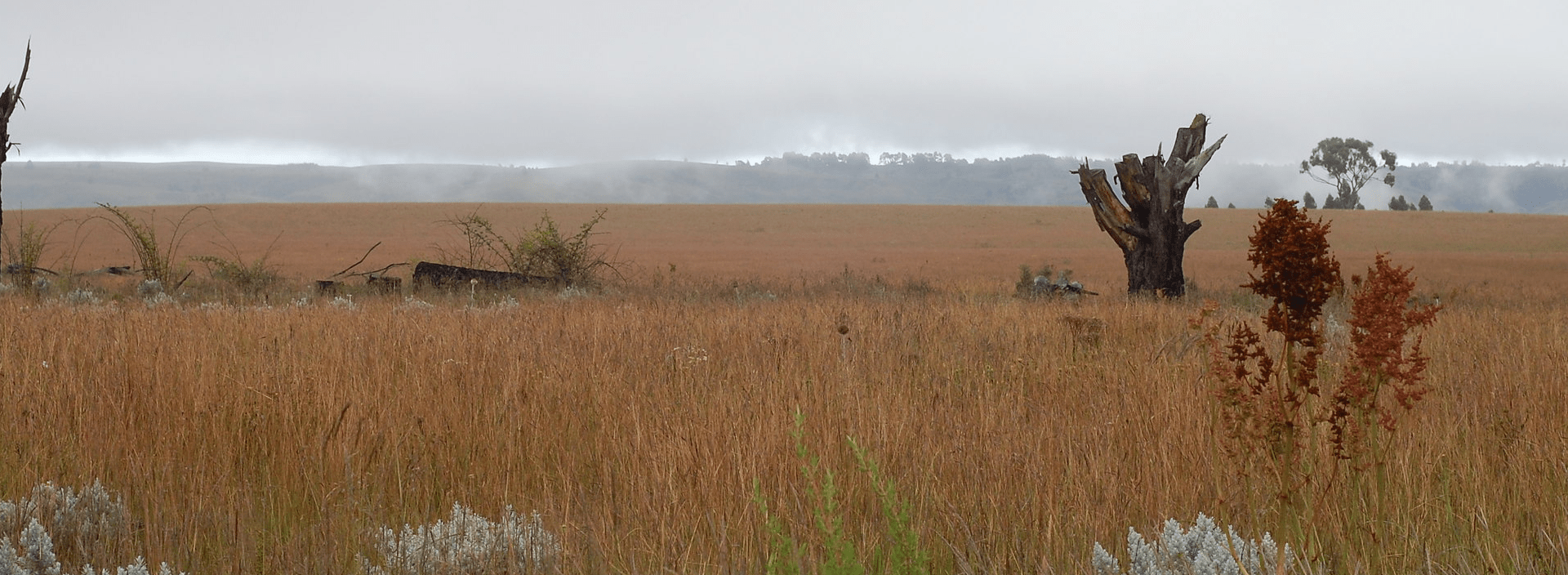
Depart Dar early to beat traffic on the Morogoro highway. The drive itself is enjoyable — you’ll be on tarmac the whole way, climbing into the Uluguru Mountains before dropping onto the flat Mkata floodplain, which is essentially an extension of Mikumi’s game-rich grassland. Elephants often wander right up to the road fence.
Campsite: Mikumi TANAPA Public Campsite (operated by Tanzania National Parks Authority). Located just inside the park near the main gate, the site has basic long-drop toilets, a cold shower block, and a communal braai/fire area. Lions, hyenas, and hippos are frequent nocturnal visitors — keep the vehicle locked and food stowed. Pre-book via the TANAPA online portal or at the gate. Fees are paid per vehicle and per person per night.
Key wildlife: lion, elephant, giraffe, Cape buffalo, wildebeest, zebra, Burchell’s zebra, hippo at the Hippo Pools, yellow baboon. Mikumi is nicknamed “Tanzania’s Serengeti” for good reason.
Days 4–6 · Ruaha National Park
Drive: ~350km / approx. 6–7 hours via Iringa town
This is your longest driving day. Head southwest on the A7 to Iringa — a great lunch stop with a vibrant market — then take the D246 gravel road west toward Msembe Gate. The road gets corrugated; keep pressures around 2.0 bar. Stock up with fuel and groceries in Iringa — there’s nothing inside Ruaha.
Campsite: Ruaha TANAPA Campsite (Nkwabi Camp Area) near the Msembe park headquarters on the banks of the Great Ruaha River. This is one of Tanzania’s finest wild camping experiences. The river attracts staggering concentrations of animals, and you’ll have hippos grunting all night, lions roaring across the water, and elephants drinking at dusk within sight of your rooftop tent. There are basic bandas, long-drop toilets, and a small ablutions block with cold water. Firewood can be collected inside the campsite.
Tanzania’s largest national park by area, Ruaha receives far fewer visitors than the northern circuit parks, giving you enormous stretches of baobab-studded miombo woodland entirely to yourself. It holds some of Africa’s highest densities of African wild dogs, large elephant herds (often 200+), and excellent big cat sightings. Spend two full game drive days here — one morning drive along the Ruaha River, one afternoon into the Jongomero Loop.
Day 7 · Transit Day: Ruaha to Dodoma/Kondoa
Drive: ~340km / approx. 5.5 hours
A hard transit day to break up the long haul from southern Tanzania to the north. Head back through Iringa and north on the A7/B129 toward Dodoma, Tanzania’s capital. Overnight at a guesthouse in Dodoma or Kondoa — a rare night off the rooftop tent. Restock provisions, refuel fully, and do a vehicle check.
Days 8–9 · Tarangire National Park
Drive: ~320km / approx. 5 hours from Dodoma via Arusha direction
Head north toward Arusha on the A104, then turn off at Kwa Kuchinja onto the road into Tarangire. Enter through the main Tarangire Gate.
Campsite: Tarangire TANAPA Public Campsite (Boundary Hill Campsite) inside the park, overlooking the Tarangire River valley — one of the most scenically situated public campsites in Tanzania. Facilities include pit latrines and a basic ablutions block. The campsite is unfenced, and elephants, giraffe, and impala wander through freely. A special campsite option (Silale Swamp Area) is available for exclusive use if you want a more remote experience.
Tarangire’s extraordinary claim to fame is its elephant concentrations — during the dry season (June–October), over 3,000 elephants converge on the river, the largest single elephant congregation in Africa. The park is also a birder’s paradise with over 550 species recorded. Iconic ancient baobabs dot the landscape; photographically, this park is arguably the most dramatic of all.
Day 10 · Lake Manyara National Park
Drive: ~90km / approx. 1.5 hours from Tarangire
A short hop northwest through Makuyuni to the Manyara escarpment. Enter via the main gate on the Rift Valley wall above the lake.
Campsite: Lake Manyara TANAPA Public Campsite situated just outside the main gate in the buffer zone, with basic facilities. The drive down the escarpment road is spectacular. Inside the park, the groundwater forest near the gate produces extraordinary wildlife encounters.
Lake Manyara is famed above all for its tree-climbing lions — something observed here far more reliably than anywhere else in Africa. The soda lake itself turns pink with flamingos during certain seasons. Troops of olive baboons and blue monkeys are everywhere, and the dense fig forest by the gate delivers surprising elephant encounters at very close range. It’s a compact park, so a single full day is enough.
Days 11–12 · Ngorongoro Conservation Area
Drive: ~80km / approx. 1.5 hours from Manyara via Karatu
Climb the Ngorongoro crater rim road from Karatu. The fog and highland vegetation up here feel completely different from the baked plains below — you’re at about 2,300m elevation.
Campsite: Simba Campsite (Ngorongoro Crater Rim) — this is the famous public campsite on the rim, operated by the Ngorongoro Conservation Area Authority (NCAA). It’s one of the most atmospheric camps on the entire itinerary. At night, temperatures can drop below 10°C, so make sure your sleeping bag is rated to at least 0°C. The campsite is unfenced on a forested rim — cape buffalo and forest elephant move through camp at night. Bring a proper headtorch and do not walk between vehicles after dark. Facilities: pit latrines, cold showers, a basic covered cooking area.
Dedicate two full mornings to crater descents. Vehicles descend at 7:00 AM and must be out by 6:00 PM. The Ngorongoro Crater is the world’s largest intact volcanic caldera (19km across, 600m deep) and home to the densest concentration of wildlife on Earth — roughly 25,000 large animals including all Big Five, with resident black rhino being the real prize. The Lerai Acacia Forest inside the crater is magical; the hippo pool near Mandusi is a reliable stop.
Days 13–14 · Serengeti National Park — Seronera
Drive: ~130km / approx. 2.5 hours from Ngorongoro via Naabi Hill Gate
Descend the western Ngorongoro wall on the B144 road across the short grass plains of the Ndutu/Ngorongoro boundary. The landscape opens up spectacularly. Enter Serengeti at Naabi Hill Gate.
Campsite: Seronera Public Campsite (also called Site A/B/C near the Seronera River). These are among the busiest public campsites in Tanzania, but for good reason — the Seronera Valley has the highest year-round predator density on the continent. Lions den in the kopjes above camp; leopards haunt the sausage trees along the river; cheetahs sit on termite mounds surveying the plains. The campsite has flush toilets, a cold shower block, and a locked secure parking area. Lions regularly walk through the site overnight — a fact that is both thrilling and requires sensible behaviour.
Two full days of game drives here, focusing on the valley circuit and the Moru Kopjes. Then in the late afternoon of Day 14, begin driving north up the Serengeti — staying the night at Kogatende Public Campsite (northern Serengeti, near the Mara River). This beautiful, less-visited campsite is the staging point for the great wildebeest river crossings (July–October) and has basic facilities plus some of the most dramatic big-cat viewing in the park.
Days 15–16 · Masai Mara National Reserve, Kenya
Drive: ~260km / approx. 4–5 hours from Kogatende to Masai Mara via Isebania border crossing
Cross the Tanzania/Kenya border at Isebania (Tanzania side) / Sirare (Kenya side). This crossing is efficient for self-drivers with the right paperwork. Ensure you have a COMESA or Carriers vehicle insurance that covers both countries, a valid carnet or temporary import permit for Kenya, and your East African Tourist Visa or individual visas in order. The border opens at 6:00 AM.
From Sirare, take the B3 north through Migori and then turn west toward the Mara via Narok or the Sand River Gate route.
Campsite: Ol Kinyei Conservancy Campsite or the KWS Musiara Public Campsite inside the reserve. The KWS (Kenya Wildlife Service) public campsites within the Mara are basic but functional with pit latrines and a water point. The Ol Kinyei and Olare Motorogi conservancy campsites just outside the reserve boundary offer more space and fewer crowds, and access to the Mara ecosystem at community conservancy rates. The Mara Intrepids area also has a well-regarded public campsite with river frontage.
Two full days in the Mara. The reserve shares its ecosystem with the Serengeti and is the scene of the great wildebeest river crossings across the Mara River. Big cat sightings here are exceptional year-round — the Mara triangle in particular holds remarkable lion prides. Look for the legendary Marsh Pride along the Musiara Marsh area.
Day 17 · Masai Mara to Nairobi
Drive: ~260km / approx. 4.5 hours via Narok on the B3
An easy final morning game drive at dawn, then pack camp and head northeast on the B3 through Narok and onto the main Nairobi highway. You’ll arrive in Nairobi by early afternoon. Drop off the 4×4 rental (most are based in Westlands or in the airport).
Route Summary
| Days | Destination | Campsite | Distance from Previous |
|---|---|---|---|
| 1–3 | Mikumi NP | Mikumi TANAPA Public Campsite | 290km from Dar |
| 4–6 | Ruaha NP | Ruaha Nkwabi TANAPA Campsite | 350km via Iringa |
| 7 | Transit Dodoma | Guesthouse | 340km |
| 8–9 | Tarangire NP | Boundary Hill Public Campsite | 320km |
| 10 | Lake Manyara NP | Manyara Gate Campsite | 90km |
| 11–12 | Ngorongoro CA | Simba Campsite (crater rim) | 80km |
| 13–14 | Serengeti (Seronera) | Seronera Public Campsite | 130km |
| 14–16 | Northern Serengeti → Masai Mara | Kogatende → Ol Kinyei/KWS Musiara | 260km inc. border |
| 17 | Nairobi (arrive) | — | 260km |
Essential Practicalities
Vehicle: A high-clearance 4×4 with a locking differential is mandatory for Ruaha and Northern Serengeti roads. A Toyota Land Cruiser 70 or 79 series or a Land Rover Defender 110 is ideal. Ensure the rooftop tent has a good annexe/ladder — nightly big cat activity around camp is real.
Fuel: Carry at least 40 litres extra at all times. Ruaha has no fuel inside the park. The northern Serengeti corridor is also a long stretch without refuelling options. Fill every time you see a pump.
Permits & Bookings: Book all TANAPA campsites at tanzaniaparks.go.tz and Ngorongoro Authority campsites at ncaa.go.tz in advance — Ngorongoro especially fills up months ahead. Kenya’s KWS campsites can be booked at kws.go.ke.
Best Season: July to October is peak dry season — roads are at their best, wildlife is concentrated around water, and the Mara River crossings are in full swing. December to March offers the calving season and green landscape photography.
Insurance & Documents: COMESA yellow card insurance, vehicle carnet de passage, international driving permit, and East African Tourist Visa (valid for Tanzania, Kenya, and Uganda) will see you smoothly through both countries.
Thirteen nights under the stars in a rooftop tent — this is one of the greatest self-drive adventures on Earth. Enjoy every single kilometre of it.
