
Best National Parks in Africa: The Ultimate Safari Guide
Why Africa’s National Parks Are in a Class of Their Own
There is no wilderness experience on Earth quite like the one Africa offers. On a continent that spans 30 million square kilometres across vastly different biomes — from the Sahara’s bone-dry expanses to the lush equatorial rainforests, from the volcanic highlands of East Africa to the flood-drenched delta systems of Southern Africa — the national parks that dot this land represent some of the last truly wild places remaining on the planet. Africa’s national parks do not merely protect animals. They protect entire ecosystems — the intricate webs of predator and prey, the seasonal movements of millions of wildebeest, the ancient forest corridors that mountain gorillas have walked for tens of thousands of years, and the silence of a Kalahari night broken only by the distant cry of a hyena. They are places where the natural world still operates on its own terms, largely indifferent to human timekeeping, largely uncompromised by the noise of modern civilisation.
For travellers who have stood at the edge of the Ngorongoro Crater at dawn, or watched a leopard drag an impala into an acacia tree in South Luangwa, or heard the deep rumble of a silverback mountain gorilla in Bwindi’s mist, one truth becomes immediately obvious: Africa’s parks are not merely tourist attractions. They are transformative experiences.
Serengeti National Park, Tanzania
Why It Stands Above All Others
The Serengeti is, by most measures, the greatest wildlife spectacle on the planet. Covering approximately 14,763 square kilometres of open savanna, kopje-studded grasslands, and acacia woodlands in northern Tanzania, it is a park of superlatives. It supports the largest terrestrial mammal migration in the world — roughly 1.5 million wildebeest, 400,000 zebras, and 200,000 Thomson’s gazelles circling perpetually in search of fresh grass and water.
But the Serengeti is more than the Great Migration. It has one of the densest lion populations in Africa, with an estimated 3,000 lions roaming the ecosystem. Leopard sightings are frequent in the central Seronera Valley, where fig trees lining the river courses serve as favourite resting spots for these secretive cats. Cheetahs stalk the open southern plains. African wild dogs — among the continent’s rarest predators — pass through on their nomadic circuits.
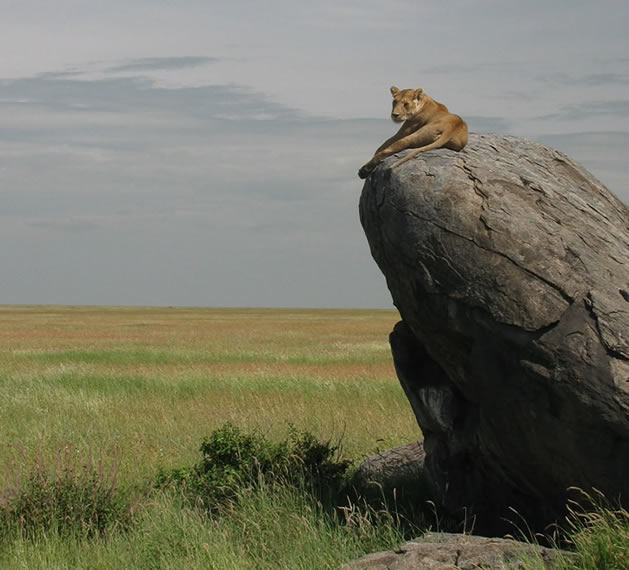
The park also contains extraordinary birdlife: over 500 species have been recorded, including the Kori bustard, secretary bird, lilac-breasted roller, and dozens of raptor species. The kopjes — ancient granite outcroppings that punctuate the plains — are home to rock hyraxes, agama lizards, and the occasional pride of lions using the warm rock as a vantage point and sunbathing platform.
What truly sets the Serengeti apart is its sense of scale and openness. Unlike parks hemmed in by agricultural land or human settlement, the Serengeti connects seamlessly with the Masai Mara in Kenya to the north, Ngorongoro Conservation Area to the southeast, and several other game management areas. This connected ecosystem allows animals to move freely, maintaining the ecological integrity that has been eroded almost everywhere else on Earth.
Best Midrange Accommodations
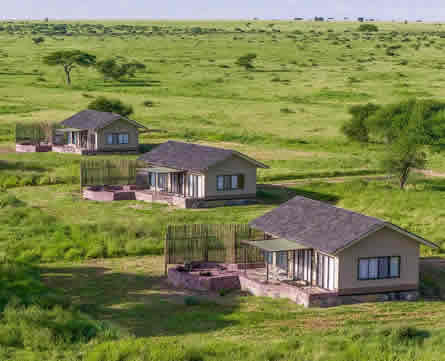
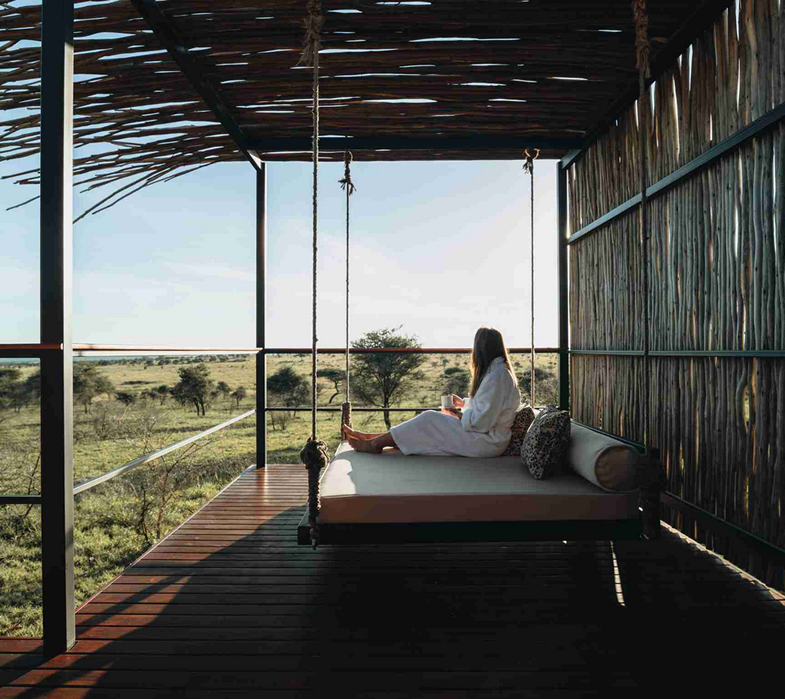
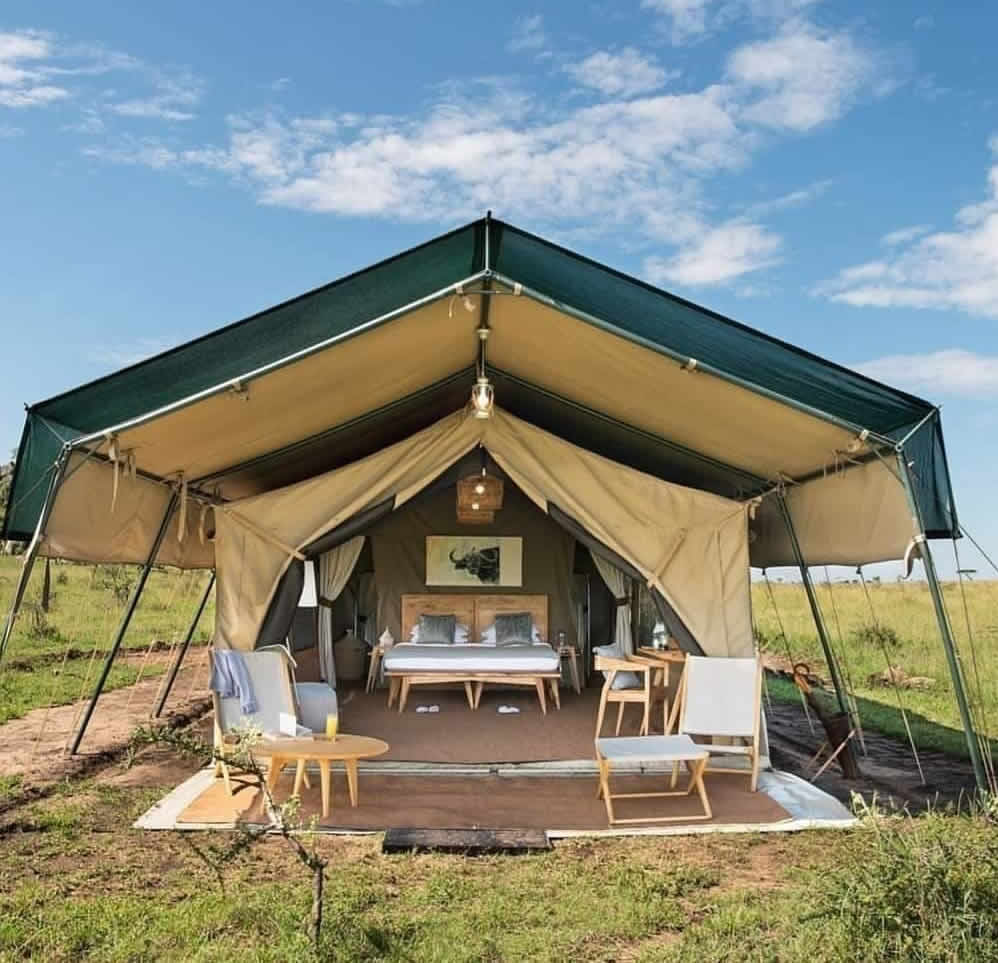
Ikoma Bush Camp — Located on the western boundary near the Western Corridor, Ikoma is a solid midrange option offering comfortable tented accommodation with en-suite bathrooms, a swimming pool, and guided game drives into the park. Rates typically range from USD 200–350 per person per night, inclusive of meals and some activities.
Serengeti Serena Safari Lodge — Perched on a ridge in the Serengeti’s central zone, Serena offers spacious rooms with panoramic views, a pool, and full-board dining. It is one of the most reliable midrange lodges in the park, consistently praised for its game drive programme. Expect to pay USD 300–450 per person per night.
Seronera Wildlife Lodge — A government-operated lodge positioned in the heart of the Seronera Valley — arguably the best year-round game-viewing area in the Serengeti. While the facilities are more basic than private camps, the location is unbeatable and prices are among the most affordable at USD 150–250 per person per night with meals.
Migration Camp — Overlooking a rocky escarpment in the northern Serengeti near Lobo, Migration Camp offers a wilder, more remote experience with panoramic views and fewer tourists. Rates run approximately USD 280–400 per person per night.
Best Time to Visit
The Serengeti rewards visitors year-round, but the experience varies dramatically by season.
January to March is calving season on the southern Ndutu plains — an extraordinary spectacle as roughly 500,000 wildebeest calves are born within a few weeks, drawing predators in enormous numbers. This is also when the short rains have typically finished, leaving the southern plains lush and accessible.
June to October represents the dry season, when the migration pushes north through the Grumeti and Mara River crossings. The river crossings — where wildebeest plunge into crocodile-filled waters — are among Africa’s most dramatic wildlife events. This period is also excellent for general game viewing as animals concentrate around water sources.
November to December sees the short rains return and the migration begin its southward journey. Fewer tourists, fresher landscapes, and lower rates make this a worthwhile shoulder-season choice.
Park Fees (2024–2025)
- Non-resident adult entry: USD 70 per person per day
- Non-resident child (5–15 years): USD 35 per day
- Vehicle fee: USD 40 per vehicle per day
- Camping fees: USD 50 per person per night (public sites); USD 100+ per person per night (special campsites)
Kruger National Park, South Africa
Why It Stands Above All Others
Kruger is Africa’s most visited national park, and for very good reason. Stretching nearly 360 kilometres from north to south and covering almost 2 million hectares of bushveld in northeastern South Africa, it is one of the largest game reserves on the continent. More importantly, it is home to the famous Big Five — lion, leopard, elephant, rhino, and buffalo — in densities that are among the highest anywhere in Africa.
Kruger’s road network is its defining feature as a self-drive destination. Over 2,500 kilometres of paved and gravel roads wind through varied habitats — from the mopane woodlands of the north that favour elephant, lion, and the rare nyala, to the southern plains of knobthorn and marula trees where concentrations of giraffe, zebra, and impala attract big cats. This accessibility makes Kruger uniquely democratic: you do not need to pay for a guided safari vehicle. You can drive your own car, at your own pace, on your own timetable.
The park’s conservation story is also compelling. Established in 1898 as the Sabi Game Reserve by President Paul Kruger, it has been carefully managed for over a century. Populations of white rhino have recovered from near-extinction here. Wild dog packs roam the northern reaches. Cheetah are present. Hyena clans number in the hundreds.
Beyond mammals, Kruger offers extraordinary birding — over 500 species recorded, including the ground hornbill, African fish eagle, saddle-billed stork, and the prehistoric-looking southern bald ibis. The park also has significant archaeological and cultural heritage, with rock art sites, ruins, and a rich human history woven through its landscapes.
Best Midrange Accommodations
Protea Hotel Kruger Gate — Positioned just outside the Paul Kruger Gate, this hotel offers comfortable rooms with a pool, restaurant, and bar. It is ideal for self-drivers who want a reliable base. Rates start around USD 150–220 per room per night.
Hoedspruit Endangered Species Centre Area Lodges — Several midrange properties are clustered around Hoedspruit near the Orpen Gate, including Kapama River Lodge and Kings Camp, offering guided game drives into private concessions adjacent to Kruger. Rates range from USD 200–350 per person per night.
Sabi Sands Midrange Options — While the Sabi Sands Game Reserve adjacent to Kruger is famous for its luxury lodges, properties like Nkorho Bush Lodge and Arathusa Safari Lodge offer a more accessible price point at USD 250–400 per person per night, with exceptional leopard sightings.
Boulders Bush Lodge (SANParks) — One of the better midrange options within the park itself, operated by South African National Parks. Offers self-catering chalets in a private bush setting. Rates from USD 120–200 per night per chalet.
Best Time to Visit
May to September — the dry winter months — offer the best game viewing. Vegetation thins, water sources concentrate animals at rivers and waterholes, and the cool, clear days make for comfortable driving. This is peak season and accommodation fills up fast.
October to April is the wet season. The bush greens dramatically, making photography beautiful but animal spotting harder. However, this period is excellent for birding as summer migrants arrive, and the southern plains come alive with young animals.
Park Fees (2024–2025)
- Non-resident adult day visit: ZAR 480 (approx. USD 26) per person per day
- Non-resident child: ZAR 240 (approx. USD 13) per day
- Conservation levy: included in entry fee
- Camping: from ZAR 250 (approx. USD 14) per person per night
- Rest camps/chalets: ZAR 800–2,500 (approx. USD 44–138) per unit per night, depending on season and camp type
Note: South African residents pay significantly lower fees — roughly 60% less.
Masai Mara National Reserve, Kenya
Why It Stands Above All Others
The Masai Mara is perhaps the most famous wildlife destination in Kenya, and it earns that reputation through sheer abundance. Covering approximately 1,510 square kilometres of undulating grassland in the southwest corner of Kenya, it forms the northern extension of the Serengeti ecosystem. When the Great Migration spills across the Tanzanian border between July and October, the Mara’s open plains fill with animals on a scale that is difficult to comprehend.
The Mara River crossings are among Africa’s most photographed events. Wildebeest gather in their thousands on the riverbanks, seemingly paralysed by fear, before the herd instinct takes over and they launch themselves into the crocodile-patrolled waters in a churning, chaotic mass. It is raw nature at its most visceral and unforgettable.
Yet the Masai Mara is exceptional outside migration season too. Lions here are bold and numerous — the open grasslands make them easy to find and observe in long hunting sequences. Elephants wander in large family herds. Cheetahs hunt in the golden afternoon light. Black-backed jackals pick through kill sites. Topis stand sentinel on termite mounds, scanning for predators.
The Maasai people, who have co-existed with wildlife in this landscape for centuries, add a profound cultural dimension to any visit. Many camps and lodges offer cultural visits to Maasai villages, providing insight into one of East Africa’s most enduring traditional ways of life. What further distinguishes the Mara is the presence of private conservancies on its borders — Naboisho, Olare Motorogi, Mara North, and others — where vehicle numbers are strictly controlled, off-road driving is permitted, and night drives are allowed. These conservancies offer some of the finest safari experiences in Africa.
Best Midrange Accommodations
Mara Serena Safari Lodge — Situated on a forested hill overlooking the plains near the Mara River, Serena is the flagship midrange option in the reserve proper. Its classic architecture, swimming pool, and reliable game drive programme make it a perennial favourite. Rates from USD 250–400 per person per night, full board.
Siana Springs Tented Camp — Located on the eastern border of the reserve, Siana Springs is a comfortable, well-run camp offering spacious tented accommodation and guided walks in addition to game drives. Rates from USD 200–320 per person per night.
Ashnil Mara Camp — A midrange tented camp with solid facilities, professional guiding, and a good location on the Talek River. Consistently well-reviewed for value. Rates from USD 220–350 per person per night, full board.
Sentrim Masai Mara — One of the more affordable midrange options within the reserve, offering standard tented accommodation and full-board packages. Rates from USD 180–270 per person per night.
Best Time to Visit
July to October is peak season, when the Great Migration is in the Mara and the river crossings occur. This is also when accommodation is most expensive and the reserve is busiest.
January to March offers excellent game viewing with far fewer tourists, and the southern Serengeti calving season means many animals are still in the Mara ecosystem. Rates drop significantly.
June is transitional — the migration is arriving from the south, vegetation is drying, and the landscape takes on its golden hues.
Park Fees (2024–2025)
- Non-resident adult entry: USD 200 per person per day (reserve fee — note this is one of the highest in Africa)
- Non-resident child (3–15 years): USD 100 per day
- Vehicle fee: Varies by vehicle size, approximately USD 30–60 per day
- Private conservancy fees: Separate from the reserve fee; typically included in accommodation rates at conservancy-based camps
Note: The Masai Mara is managed by Narok County Council, and fees have increased substantially in recent years.
Bwindi Impenetrable Forest National Park, Uganda
Why It Stands Above All Others
Bwindi is unique among the parks in this guide because its primary attraction is a single species — and yet it is arguably the most emotionally profound wildlife encounter available anywhere on Earth. The park is home to roughly half of the world’s remaining mountain gorillas, with a population of approximately 460 individuals divided into multiple habituated family groups that can be visited by tourists.
A gorilla trek in Bwindi is unlike any other safari activity. You hike through dense, ancient montane forest — the park’s name translates roughly to “impenetrable” in the local Rukiga language, and this is no exaggeration — following trackers who have located the gorilla family that morning. When you finally step into a clearing and find yourself within metres of a 200-kilogram silverback, surrounded by infants tumbling through the undergrowth and females grooming one another in the dappled light, the experience is fundamentally different from watching animals through a car window.
It is intimate, humbling, and often described by visitors as the highlight of their lives.
Beyond gorillas, Bwindi is a biodiversity hotspot of the first order. Its ancient Afromontane forest — which remained unglaciated during the Ice Age and served as a refugium for countless species — harbours over 350 bird species (including the African green broadbill, Shelley’s crimsonwing, and other range-restricted endemics), 120 mammal species, and more than 1,000 plant species. Chimpanzees, colobus monkeys, forest elephants, and leopards also inhabit its depths.
Best Midrange Accommodations
Bwindi Lodge — Perched on the edge of the forest near Buhoma, Bwindi Lodge offers comfortable bandas (cottages) with forest views and a warm, welcoming atmosphere. The veranda dining area is particularly lovely. Rates from USD 200–350 per person per night, full board.
Mahogany Springs Lodge — A well-regarded midrange option at Buhoma, offering spacious forest-view cottages, guided forest walks, and community activities alongside gorilla trekking packages. Rates from USD 250–400 per person per night.
Gorilla Forest Camp — Situated within the forest boundary itself near Buhoma, this camp offers semi-luxury tented accommodation in an extraordinary setting. Occasionally runs promotions that bring it into the upper midrange category. Rates from USD 350–500 per person per night.
Ichumbi Gorilla Lodge — A newer, more affordable option in the Rushaga sector of the park, offering clean, comfortable rooms at more competitive prices. Rates from USD 150–250 per person per night, full board.
Best Time to Visit
June to August and December to February are the drier months and generally considered the best for trekking. Forest trails are less muddy and gorilla tracking is somewhat easier, though the forest is accessible and the gorillas habituated year-round.
March to May and September to November bring the long and short rains respectively. Trekking is muddier and more strenuous, but the forest is dramatically lush and visitor numbers are lower. Some accommodation discounts apply.
Park Fees (2024–2025)
- Gorilla permit (non-resident): USD 800 per person per trek (valid for one hour with the gorilla family)
- Gorilla permit (East African resident): USD 500 per person per trek
- Park entrance fee: USD 40 per person per day (non-resident)
- Chimpanzee habituation experience: USD 250 per person
- Uganda Wildlife Authority booking: Permits must be booked well in advance — popular dates sell out months ahead
Chobe National Park, Botswana
Why It Stands Above All Others
Chobe is best known for one thing: elephants. And not just a few elephants — Chobe’s Chobe Riverfront holds the largest concentration of African elephants anywhere in the world, with an estimated 120,000 to 130,000 elephants using the greater Chobe ecosystem. In the dry season, they descend to the Chobe River in their hundreds each afternoon, crossing sandbanks, swimming channels, and drinking in great congregations that produce extraordinary photographic opportunities.
But Chobe is far more than an elephant park. The riverfront is extraordinarily productive for predator sightings, with lions, leopards, wild dogs, and spotted hyenas all present. The Savute Channel area of the park is famous for its lion-vs-elephant conflicts — lion prides that have learned to hunt juvenile and sub-adult elephants, an adaptation recorded in very few places on Earth. Large buffalo herds draw packs of wild dogs and hyena clans. Sable antelope, roan antelope, and tsessebe roam the Savute grasslands.
The boat safari on the Chobe River is one of Africa’s finest game-viewing experiences. Floating among hippos, watching crocodiles bask on sandbars, and photographing elephants at eye level as they wade across the shallows — all with the Namibian bank visible a few hundred metres away — is an experience that is impossible to replicate in a land-locked park.
Chobe’s position in northern Botswana, at the confluence of four countries (Botswana, Namibia, Zimbabwe, and Zambia), also makes it easy to combine with visits to Victoria Falls, the Okavango Delta, or Hwange National Park.
Best Midrange Accommodations
Chobe Safari Lodge — The oldest and most established lodge in Kasane (the gateway town to Chobe), offering comfortable rooms, a riverside pool, and excellent boat safaris. Rates from USD 250–400 per person per night, full board including activities.
Ngoma Safari Lodge — Positioned on the southern bank of the Chobe River within the national park boundary, Ngoma offers private game activities and a genuine bush atmosphere. Rates from USD 300–450 per person per night.
Chobe Elephant Camp — A well-appointed midrange camp offering close proximity to the riverfront and guided activities including boat safaris and game drives. Rates from USD 280–420 per person per night.
Cresta Mowana Safari Resort — A larger, hotel-style property on the riverfront in Kasane, offering good facilities, a pool, and a more conventional lodge experience. An ideal option for families. Rates from USD 180–280 per room per night.
Best Time to Visit
April to October — the dry season — is prime time. Water sources outside the river dry up, forcing animals to the Chobe River. Elephant concentrations peak in July to September, and predator activity is at its highest.
November to March brings the green season. Birding reaches its peak with the arrival of migrants, and the bush is strikingly beautiful, but animals disperse across the landscape and game viewing is less predictable. Some lodges close partially or offer significant rate reductions.
Park Fees (2024–2025)
- Non-resident adult entry: BWP 500 (approx. USD 37) per person per day
- Non-resident child: BWP 200 (approx. USD 15) per day
- Vehicle fee: BWP 50 (approx. USD 4) per vehicle per day
- Boat safari permits: Included in park entry for authorised operators
Etosha National Park, Namibia
Why It Stands Above All Others
Etosha operates on a principle unique among Africa’s great parks: rather than searching for animals across vast distances, you wait for the animals to come to you. The park’s defining feature is a massive salt pan — the Etosha Pan — which covers approximately 4,800 square kilometres of blinding white mineral flat at the heart of the park. This pan is essentially the lifeless floor of an ancient lake, but it is surrounded by waterholes fed by underground springs. In the dry season, these waterholes become the only water available for hundreds of kilometres. Animals have no choice but to visit them, and they do so in extraordinary processions — lion, leopard, rhino, elephant, giraffe, springbok, oryx, and dozens of other species converging on the same small pools of water at all hours of the day and night.
This waterhole-centric game viewing makes Etosha exceptionally productive and accessible. Many waterholes are floodlit at night, and camps are positioned adjacent to them so guests can watch the extraordinary nocturnal activity from behind the safety of fencing. Watching a black rhino approach a moonlit waterhole, ears swivelling, suspicious and ancient-looking, is an experience that stays with you forever.
Etosha is also Namibia’s best park for both black and white rhino — the park has worked hard to protect its rhino populations and sightings are relatively common compared to most African parks. The park is also excellent for rare species like the black-faced impala (a subspecies found almost exclusively in Etosha and southern Angola), the gemsbok (oryx), and the red hartebeest.
The Namibian landscape surrounding the pan — flat, silvery-white, enormous, and spare — has an otherworldly quality. This is not the lush green of East Africa; it is a harder, more austere kind of beauty that suits the harshness of the Namib and Kalahari landscapes that frame it.
Best Midrange Accommodations
Okaukuejo Rest Camp (NWR) — The flagship government-run camp in Etosha, situated adjacent to one of the park’s most productive waterholes. Rooms range from basic to reasonably comfortable chalets, and the waterhole viewing platform is simply superb — especially at night. Rates from USD 100–200 per room per night.
Halali Rest Camp (NWR) — Located in the centre of the park, Halali is a quieter alternative to Okaukuejo with its own excellent waterhole and a more intimate atmosphere. Rates comparable to Okaukuejo.
Andersson’s Camp — A privately run midrange camp just outside the southern Andersson Gate, offering guided activities into the park. Its pool overlooks a waterhole and the standard of accommodation is notably higher than the government camps. Rates from USD 200–320 per person per night, full board.
Mushara Lodge — Positioned near the Von Lindequist Gate in the east, Mushara offers stylish midrange accommodation with a strong emphasis on wildlife photography and guiding. Rates from USD 220–360 per person per night, full board.
Best Time to Visit
May to September is peak season for game viewing. The dry months concentrate animals at waterholes and temperatures are moderate (though nights can be cold).
October is perhaps the single best month — waterholes are at their most attended, temperatures are building but not yet extreme, and the park is at its most dramatic.
November to March brings rains and reduced game viewing density, but the pan sometimes floods, creating a vast shallow lake that attracts flamingos by the hundred thousand — a spectacular sight of a different kind.
Park Fees (2024–2025)
- Non-resident adult entry: NAD 200 (approx. USD 11) per person per day
- Non-resident child: NAD 100 (approx. USD 5) per day
- Vehicle fee: NAD 10 (approx. USD 0.55) per vehicle per day
- Conservation levy: Included in the entry fee
Note: Etosha is one of the most affordable major parks in Africa in terms of entrance fees.
Volcanoes National Park, Rwanda
Why It Stands Above All Others
Rwanda’s Volcanoes National Park is the original gorilla trekking destination — it was here, on the misty slopes of the Virunga volcanoes, that the pioneering primatologist Dian Fossey established her Karisoke Research Centre in 1967 and began the work that would eventually save the mountain gorilla from extinction. The park encompasses the Rwandan portion of the Virunga Massif — a chain of dormant and active volcanoes straddling Rwanda, Uganda, and the Democratic Republic of Congo — and protects a population of around 400 mountain gorillas.
The trekking experience here is subtly different from Bwindi. The volcanic slopes — Karisimbi, Bisoke, Muhabura, and others — create a dramatic backdrop, and the bamboo forest zone at mid-altitude gives way to Hagenia woodland and then open moorland as you climb. Habituated gorilla families have been living in close association with researchers and guides for decades, making the encounters remarkably relaxed.
Beyond gorillas, Volcanoes National Park also offers golden monkey trekking — these enchanting primates with their vivid russet-gold markings are found only in the Virungas and are significantly cheaper and easier to trek than gorillas. Hikes to the crater lakes of Bisoke and the twin lakes of Bihonga are also popular. The park sits within Rwanda’s broader tourism infrastructure, which is among the most well-organised and safety-conscious in Africa.
Rwanda as a destination — small, meticulously clean by African standards, with excellent roads and a genuinely impressive conservation ethos — makes Volcanoes accessible and rewarding in ways that extend beyond the park itself.
Best Midrange Accommodations
Five Volcanoes Boutique Hotel — Located in Musanze (Ruhengeri), the gateway town to the park, Five Volcanoes offers beautifully designed rooms in a lovely garden setting, with volcano views and attentive service. Rates from USD 180–280 per room per night, including breakfast.
La Palme Hotel — A solid midrange option in Musanze offering comfortable rooms and reliable service. A popular pre-trek base that won’t strain the budget. Rates from USD 120–180 per room per night, with breakfast.
Virunga Lodge — Positioned on the ridge above Lake Bulera and Lake Ruhondo with stunning views of the volcanoes, Virunga Lodge sits at the upper end of midrange and offers a genuine wilderness feel with excellent guiding. Rates from USD 400–600 per person per night, full board.
Mountain Gorilla View Lodge — Located near the park entrance, offering panoramic mountain views and comfortable accommodation. A reliable, community-linked option. Rates from USD 250–380 per person per night.
Best Time to Visit
June to September (long dry season) and December to February (short dry season) are the most popular times, with better trekking conditions on the slopes. However, gorillas are habituated to year-round rainfall in the Virungas and can be trekked in any month.
March to May sees the long rains — the forest is dramatically lush and fewer tourists are present. Permit availability improves and some accommodation rates drop.
Park Fees (2024–2025)
- Gorilla permit (non-resident): USD 1,500 per person per trek (the most expensive gorilla permit in the world)
- Gorilla permit (resident foreigner): USD 1,040
- Golden monkey trek: USD 100 per person
- Park entrance fee: Included in activity permit
Note: Rwanda’s gorilla permits have been priced intentionally high as part of a “high value, low volume” tourism strategy designed to maximise revenue while minimising ecological impact.
South Luangwa National Park, Zambia
Why It Stands Above All Others
South Luangwa is Africa’s best-kept secret among serious safari travellers. Located in eastern Zambia’s Luangwa Valley, this park of 9,050 square kilometres is one of the finest wildlife sanctuaries on the continent — and it remains considerably less visited than its East African counterparts, meaning you can enjoy extraordinary game viewing without the vehicle congestion that affects the Serengeti or Masai Mara during peak season.
The Luangwa River and its oxbow lagoons form the ecological backbone of the park, drawing enormous concentrations of hippos (one of Africa’s densest hippo populations), crocodiles, and the wildlife that depends on reliable water. During the dry season, the banks of the river become theatres of constant activity — lion prides hunt buffalo on the floodplains, leopards hunt impalas in the ebony groves, and wild dogs — particularly well-studied and visible here — chase puku antelopes through the bush.
South Luangwa is credited as the birthplace of the walking safari — a tradition started here in the 1950s by the legendary Norman Carr. Walking safari remains one of the park’s signature experiences: traversing the bush on foot with an armed scout and an experienced guide, learning to read animal signs, navigate tracks, and understand the ecosystem from ground level. This is fundamentally different from vehicle-based game viewing, and for many visitors it becomes the most treasured part of their safari.
The park is also extraordinary for leopard sightings — a combination of dense leopard population and highly skilled guides has made South Luangwa arguably the best place in Africa to watch leopard behaviour at length.
Best Midrange Accommodations
Flatdogs Camp — One of the most popular midrange options in the park, positioned directly on the Luangwa River. Flatdogs offers a range of accommodation from affordable chalets to glamping tents, a lively bar and restaurant, and direct access to game drives and walking safaris. Rates from USD 200–350 per person per night, full board.
Croc Valley Camp — A comfortable, community-linked camp on the river boundary offering tented accommodation and good guiding. Popular with budget-conscious midrange travellers. Rates from USD 150–250 per person per night, full board.
Kafunta River Lodge — A family-friendly lodge with a welcoming atmosphere, reliable guiding, and a swimming pool overlooking the river. Consistently praised for its walking safaris. Rates from USD 250–380 per person per night, full board.
Wildlife Camp — A community-owned camp offering solar-powered tented accommodation and a portion of revenue going directly to local communities. Excellent value and authentic. Rates from USD 130–220 per person per night, full board.
Best Time to Visit
May to October (dry season) is the classic South Luangwa season. As the Luangwa River drops and the surrounding bush dries out, game viewing intensifies. October — known locally as “the emerald season’s eve” — is particularly intense as temperatures peak and wildlife concentrations reach their maximum.
November to April brings the rains and the park partially closes (some camps open year-round). The green season offers lush, beautiful landscapes, excellent birding, and dramatic thunderstorms over the valley. Rates drop significantly and a handful of dedicated camps offer green season experiences.
Park Fees (2024–2025)
- Non-resident adult entry: USD 25 per person per day
- Non-resident child: USD 10 per day
- Vehicle fee: USD 15 per vehicle per day
- Walking safari permit: USD 15 per person per day (in addition to park entry)
Note: South Luangwa is one of the most affordable major parks for entry fees in Africa.
Amboseli National Park, Kenya
Amboseli may be the most photographed park in Africa. The reason is straightforward: it offers a combination that no other park on Earth can match — enormous, magnificently-tusked African elephants moving through open marshes and acacia woodlands against the backdrop of Mount Kilimanjaro, Africa’s highest peak, its snow-capped summit floating above the clouds on clear mornings.
The image of a lone bull elephant dwarfed by the vast white flank of Kilimanjaro has graced countless magazine covers, nature documentaries, and conservation campaigns. But Amboseli is not just a backdrop. It has one of the most extensively studied elephant populations in the world — the Amboseli Elephant Research Project, founded in 1972, has been monitoring the same families for over five decades, producing detailed knowledge of individual elephant behaviour, social structure, and ecology that has transformed our understanding of these animals.
The park is also excellent for large prides of lions, cheetah, Maasai giraffe, zebra, wildebeest, and many water-associated species that congregate around the park’s swamps — fed by underground water from Kilimanjaro’s glaciers. Yellow fever acacia woodlands are home to baboon troops and vervet monkeys, and the birdlife is varied and abundant.
Best Midrange Accommodations
Amboseli Serena Safari Lodge — Set among yellow fever acacias with direct views toward Kilimanjaro, Serena is the flagship midrange option in the park. Its boma-style architecture, swimming pool, and spacious rooms make it a comfortable base. Rates from USD 280–420 per person per night, full board.
Ol Tukai Lodge — Positioned at the heart of the park near the swamps, Ol Tukai has historically been one of Amboseli’s most popular midrange lodges. Good views, a pool, and reliable guiding. Rates from USD 250–380 per person per night, full board.
Kibo Safari Camp — A pleasant tented camp on the edge of the park offering comfortable accommodation and easy access to game drives. Good Kilimanjaro views from the camp. Rates from USD 200–320 per person per night, full board.
Tawi Lodge — Located outside the park on a 4,800-acre private conservancy adjacent to Amboseli, Tawi offers horse riding, mountain biking, and game drives in addition to conventional safari activities. Rates from USD 300–450 per person per night, full board.
Best Time to Visit
January to February and June to October offer the clearest Kilimanjaro views and the best overall game viewing. The mountain tends to cloud over in the afternoon, so early morning game drives are optimal.
March to May brings the long rains — the park can become muddy and Kilimanjaro is often hidden. However, baby animals are plentiful and rates are lower.
Park Fees (2024–2025)
- Non-resident adult entry: USD 90 per person per day
- Non-resident child: USD 45 per day
- Vehicle fee: KES 500 (approx. USD 4) per vehicle per day
Hwange National Park, Zimbabwe
Why It Stands Above All Others
Hwange is Zimbabwe’s largest national park, covering approximately 14,651 square kilometres of Kalahari sandveld in the country’s northwest. It is also home to one of Africa’s largest elephant populations — an estimated 45,000 to 50,000 elephants use the park seasonally, making for some of the most impressive elephant concentrations outside of Botswana’s Chobe.
The park’s waterholes — many of them pumped artificially during the dry season using solar-powered boreholes — are the lifeblood of Hwange’s wildlife. Around these waterholes gather not just elephants but also the full complement of African wildlife: lion prides that have learned to hunt the massive Hwange buffalo herds, large packs of African wild dogs (Hwange has one of the highest wild dog densities in Africa), spotted hyenas, cheetahs, leopards, sable antelope, roan antelope, gemsbok, and over 400 bird species.
One of Hwange’s great virtues — beyond its wildlife — is its relative affordability and lack of crowding compared to the more famous East African parks. You can spend a day at a productive waterhole in Hwange without encountering another vehicle, a luxury that has become almost impossible in the Masai Mara during peak season. The park also benefits from the Painted Dog Conservation project, a world-leading wild dog research and anti-poaching initiative based near the Hwange Main Camp, which offers opportunities to track individual wild dog packs.
Best Midrange Accommodations
Hwange Safari Lodge — The largest lodge in the park, offering a range of rooms and chalets overlooking a productive waterhole. A swimming pool, restaurant, and reliable guiding make it a comfortable midrange base. Rates from USD 180–280 per room per night, full board.
Camp Hwange — A beautifully positioned private camp on a concession bordering the national park, offering guided game drives, walking safaris, and waterhole hides. Upper midrange in quality. Rates from USD 350–500 per person per night, full board.
Ivory Lodge — A stylish, mid-to-upper range option on a private concession near the southern park boundary, with excellent guiding and intimate safari experiences. Rates from USD 400–550 per person per night, full board.
The Hide Safari Camp — One of Hwange’s most celebrated safari camps, famous for its underground photographic hide overlooking a productive waterhole. Technically upper midrange but sometimes accessible via promotional rates. Rates from USD 400–600 per person per night, all-inclusive.
Best Time to Visit
August to October is peak game-viewing season, with elephants at the waterholes in spectacular numbers and predators active on the dry plains.
May to July is excellent for cooler temperatures and improving game density as the dry season advances.
November to April brings the summer rains and phenomenal birding, but game viewing is more challenging.
Park Fees (2024–2025)
- Non-resident adult entry: USD 20 per person per day
- Non-resident child: USD 10 per day
- Vehicle fee: USD 5 per vehicle per day
Practical Tips for Planning Your African Park Safari
Book well in advance. The best midrange camps in popular parks — particularly during peak season — fill up 6 to 12 months ahead. Gorilla permits in Rwanda and Uganda require even earlier booking. Do not expect to arrange this spontaneously.
Work with a reputable safari operator or agent. While some parks (Kruger, Etosha, South Luangwa) are very accessible to independent travellers, others require guided activities and specialist knowledge. A good safari operator will know the best guides, the most current road conditions, and which camps offer genuine value.
Budget realistically. Midrange safari accommodation in Africa typically runs between USD 150 and USD 450 per person per night, inclusive of meals and game activities. This is before park fees, transfers, and flights. Africa is rarely cheap to visit responsibly, but the experience justifies the investment.
Pack appropriately. Neutral colours (khaki, olive, brown, beige) are recommended for game drives. Avoid white, which reflects heat and can disturb animals. A quality pair of binoculars (8×42 or 10×42) will transform your game viewing experience. A camera with a telephoto lens (200–500mm) is ideal for wildlife photography, though smartphones with good optical zoom are increasingly capable.
Respect the wildlife and the ecosystem. The rules of responsible wildlife viewing — maintaining distance, never feeding animals, staying inside vehicles unless with a qualified walking guide — exist to protect both animals and visitors. Sustainable, ethical tourism is what funds the conservation of these parks and benefits the communities living alongside them.
Conclusion: Africa’s Parks Are a Privilege Worth Protecting
The national parks described in this guide are not merely tourist destinations. They are the repositories of ecological heritage that has been accumulating for millions of years, places where the full drama of life — predation, migration, birth, death, adaptation — plays out on a scale that human civilisation cannot replicate or replace. The revenue generated by responsible tourism in these parks funds the rangers who prevent poaching, the research that drives conservation science, and the community programmes that give local people a stake in the survival of wildlife.
Every visitor who books a gorilla trek in Bwindi, drives through the Serengeti at dawn, or watches an elephant family cross the Chobe River is, in a small but meaningful way, participating in the ongoing project of keeping these places alive. That is worth something beyond the memories brought home — it is worth something to the land itself.
Choose well, travel thoughtfully, and the wild heart of Africa will reward you with experiences that no photograph can fully capture and no description can entirely do justice.
