
The Best Safari Destinations in Tanzania for Self-Drive Adventurers
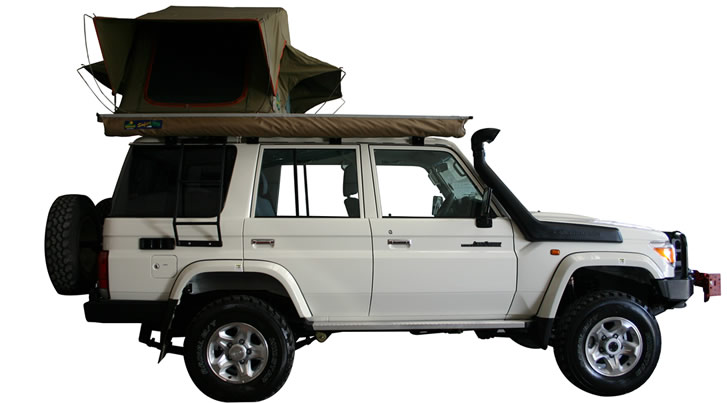
Tanzania Safari destinations are regarded as the most thrilling in East Africa. Rent a 4×4 and drive from the Serengeti to Ruaha. Plan your self-drive 4×4 adventure from Dar es Salaam. Tanzania is widely regarded as the crown jewel of African safari travel. Almost 1.5 times the size of Texas, the country offers a winning combination of unparalleled game viewing and dazzling tropical beaches, earning it a reputation as one of Africa’s premier destinations. From the thundering spectacle of the Great Migration to the intimate silence of remote western wilderness, Tanzania’s parks and reserves cater to every kind of traveler. Here is a full account of the country’s most compelling safari destinations.
The Northern Safari Circuit
The Northern Circuit is where most visitors begin their Tanzanian journey, and for good reason. It comprises some of the most celebrated parks in East Africa, and for first-time safari goers, it remains the gold standard of wildlife experiences. A self-drive trip to this region starts from Arusha or Kilimanjaro. You should be fully prepared for adventure tours here on a self-drive because they are sometimes challenging. Roads are rough, especially in Serengeti National Park. In most cases, we recommend that you have a driver guide for this particular park.
Serengeti National Park
Meaning “endless plains” in the Maasai language, the Serengeti extends for more than 5,600 square miles across vast grasslands and is home to the most varied collection of terrestrial wildlife on the planet. It is, unquestionably, Tanzania’s most iconic park.
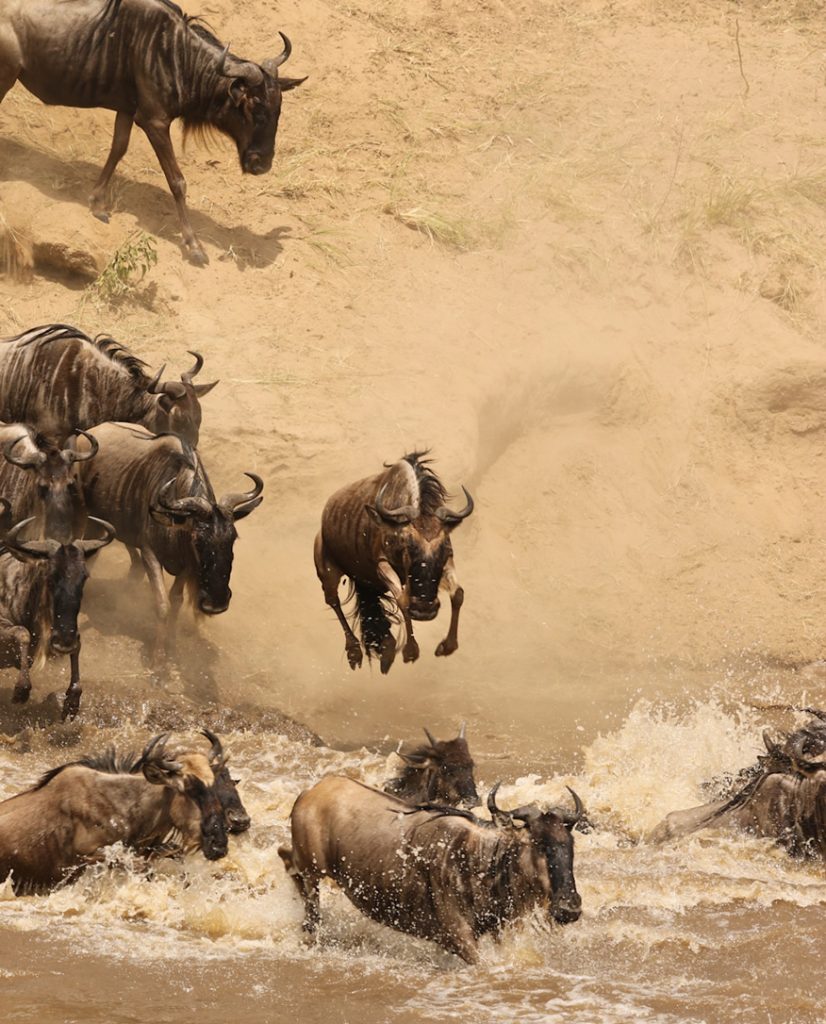
Voted Africa’s top safari park in 2025 with a rating of 4.86 out of 5 from over 2,600 reviews, the Serengeti is the heart of the Great Migration—home to 1.5 million wildebeest, zebras, and gazelles moving across its plains and rivers. Dramatic river crossings peak between July and October, while December sees the calving season at Ndutu in the southern Serengeti, where thousands of wildebeest calves are born daily.
Beyond the migration, the Serengeti teems with resident wildlife year-round. The park’s sheer size, accessibility, top-quality lodges and camps, and year-round abundance of wildlife make it one of the best safari destinations in Africa. Lion prides are large and frequently spotted; cheetahs hunt across the open plains, and hot air balloon safaris offer a breathtaking perspective over the kopjes—the ancient granite outcrops that dot the landscape.
The eastern Serengeti deserves special mention for those seeking solitude. This remote region, one of the least visited parts of the park, is home to Africa’s largest concentrations of big cats and is ideal for photographers and adventurers wanting a safari off the beaten track.
Ngorongoro Crater
Take about 30,000 animals and place them inside the crater of an extinct volcano; add wetlands, forest, grasslands, and some out-of-this-world cliff-top accommodation, and the result is the Ngorongoro Crater. Few places on earth offer such density of wildlife in such a spectacular natural setting.
The 105-square-mile floor of the caldera is home to Africa’s largest permanent concentration of wildlife — lions, elephants, wildebeest, buffalo, and zebras — making it a self-contained ecosystem of remarkable richness. The Ngorongoro is also one of the most reliable places on the continent to see the endangered black rhino. It is a UNESCO World Heritage Site and is renowned for delivering the easiest and most reliable Big Five sightings in East Africa.
The drive down into the crater itself is an experience — a winding descent into what feels like a lost world, with the crater walls rising dramatically on all sides.
Tarangire National Park
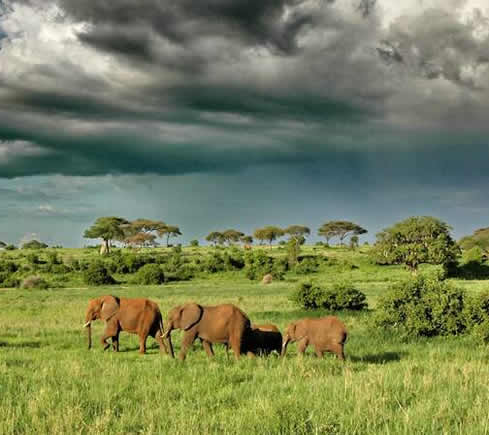
Often treated as little more than a day stop on the way to bigger parks, Tarangire deserves far more attention. The park is well-known for its enormous herds of elephants and excellent leopard sightings. It has the greatest concentration of wildlife outside the Serengeti ecosystem and is one of the few places in Tanzania where you’ll regularly see dry-country antelope like the gerenuk and the oryx.
During the June to October dry season, animal concentrations along the Tarangire River—especially elephants—are among the highest in the country. The park’s bird count of more than 500 species makes it one of the most rewarding destinations in Tanzania for birdwatchers, while its full range of large predators completes the appeal. The scenery is equally distinctive: vast swamps, riverine forests, and open woodlands studded with enormous, ancient baobab trees give it a character unlike any other park in the north.
Lake Manyara National Park
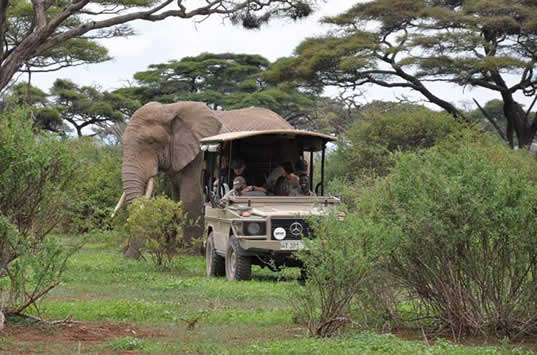
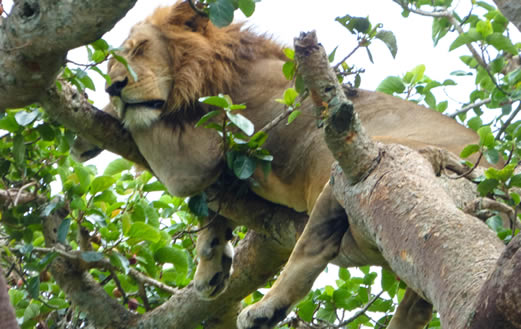
Compact but full of surprises, Lake Manyara punches well above its weight. The park is home to a good range of heavyweight species, including buffalo, hippo, giraffe, elephant, and leopard, and is renowned for its tree-climbing lions. The sight of lions draped over the branches of fever trees is one of Tanzania’s most unusual and photographed wildlife moments.
Thousands of pink flamingos gather on the soda lake, while the floodplains, woodlands, and evergreen forests support an extraordinary diversity of birdlife. The Great Rift Valley escarpment towers above the park, framing the shimmering lake and creating a landscape that is as beautiful as it is wildlife-rich. For many visitors, Manyara serves as the perfect introduction to the Northern Circuit before heading deeper into the wilderness.
The Southern Safari Circuit
Tanzania’s south is a different world—wilder, quieter, and often overlooked. Those who make the journey are rewarded with some of the continent’s most authentic bush experiences.
Nyerere National Park (formerly Selous Game Reserve)
One of Africa’s largest protected areas, stretching over 19,000 square miles of wild terrain, Nyerere offers a remote and authentic safari experience, with opportunities for safari by foot through the bush and by boat along the Rufiji River. The habitats are extremely diverse — from open grasslands dotted with baobabs to miombo woodlands, riverine forest, wetlands, and lakes — and the wildlife includes elephants, black rhinos, cheetahs, giraffes, hippos, and crocodiles.
Boat safaris along the Rufiji River are a particular highlight, offering a perspective on African wildlife that few parks can match. Hippos surface metres away, crocodiles bask on sandy banks, and elephants wade into the shallows to drink and bathe. Tanzania’s true wild side is in its southern reaches, and Nyerere hosts just a fraction of the travellers who visit the northern parks — making it an under-the-radar destination that rewards the effort required to reach it.
Ruaha National Park
Ruaha is perhaps Tanzania’s most underappreciated jewel. It is the largest national park in Tanzania—nearly 50% bigger than the Serengeti, yet receiving only a tenth of the visitors. That statistic alone tells you what to expect: vast, untouched wilderness with a sense of exclusivity that the northern parks simply cannot offer.
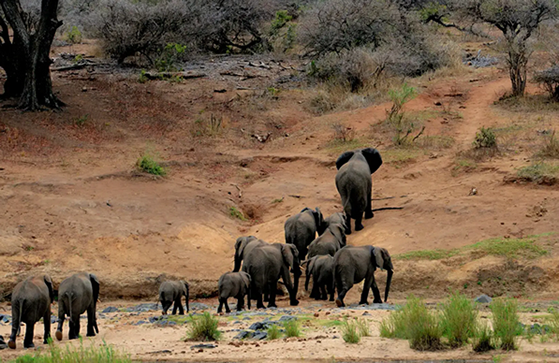
Only about 1% of visitors to Tanzania go on a Ruaha safari, making it one of the country’s best-kept secrets. Set where the woodlands of Southern Africa meet the savannahs of East Africa, Ruaha’s diversity of animals is matched by their numbers. The park is home to the largest elephant herds in East Africa and has an excellent reputation for predators: lions, leopards, and cheetahs are present in healthy numbers, as are the highly endangered African wild dog and spotted hyena.
The Ruaha National Park is home to around 10% of the world’s lion population, contains one of only four cheetah populations in East Africa, and has the third largest wild dog population in the world. For serious wildlife enthusiasts, these statistics are extraordinary. Add over 570 bird species and a dramatic landscape of baobab hills, sandy rivers, and rocky escarpments, and Ruaha becomes one of Africa’s truly great safari parks.
Mahale Mountains National Park
On the forested shores of Lake Tanganyika, Mahale offers an experience unlike anything else in Africa. The park contains the world’s largest population of habituated chimpanzees. As well as chimpanzees, there are eight other species of primate, shy forest mammals, leopards, birds, butterflies, giant vines, and waterfalls to discover.
Greystoke Mahale, perched treehouse-like on the sandy shores of Lake Tanganyika, serves as a base for tracking the fascinating chimpanzee troops that occupy the emerald Mahale Mountains. After a morning trekking through dense forest listening for chimpanzee calls, guests can swim in the crystal-clear waters of Lake Tanganyika—one of the world’s deepest and oldest lakes—or kayak along its shores. It is an almost surreally beautiful setting for a primate safari.
Gombe Stream National Park
Close to Mahale in western Tanzania, Gombe holds a special place in the history of wildlife science. It was here that Dr. Jane Goodall studied a group of over 60 chimpanzees known as the Kasakela community, establishing a world-renowned research center. Visitors today can encounter these same habituated troops, which share over 95% of their DNA with humans. Gombe is small and intimate, reached only by boat across Lake Tanganyika, and the combination of forest trekking and lakeside tranquillity makes it one of Africa’s most memorable wildlife experiences.
Katavi National Park
Remote and wild, Katavi National Park covers 4,500 square kilometres, making it Tanzania’s third largest park, with high concentrations of hippo, crocodile, buffalo, impala, eland, topi, and zebra, while lion and leopard are never far away. During the dry season, Katavi’s floodplains recede and wildlife congregates in extraordinary numbers around the remaining water sources. Hippos are packed so tightly into the muddy pools that they barely have room to move — scenes of raw, primal Africa that are increasingly rare on a crowded continent.
Beyond the Parks — Zanzibar and the Coast
No account of Tanzania’s safari destinations is complete without mention of the Indian Ocean islands. Perfect for families and honeymooners alike, Zanzibar is where to go for glorious beaches and coral reefs, dhow trips at sunset, and exploring fragrant back-street markets. Tanzania’s other Indian Ocean islands — Pemba, Mafia, and Chole — are equally superlative beach destinations with superb diving, exclusive boutique accommodation, and all the indulgent pampering one could wish for.
Balloon safaris over the Serengeti, intimate whale shark encounters at Mafia Island, and serene dhow cruises in Zanzibar are just a few of the exclusive experiences Tanzania offers to every type of traveller. Most visitors combine a week on safari in the north or south with a few days on the coast, creating an itinerary that delivers both wilderness drama and tropical relaxation.
Planning Your Visit
Tanzania’s parks divide broadly into two seasons. The dry season from June to October is the classic time for game viewing across most parks, as wildlife concentrates around water sources and vegetation is low. The wet season brings lush landscapes, newborn animals, fewer tourists, and often lower prices. Tanzania’s Northern Safari Circuit—comprising the Serengeti, Ngorongoro, Lake Manyara, Tarangire, and Kilimanjaro—is the most popular safari route and is ideal for first-time and experienced self-drive safari goers. Both Southern and Western Tanzania are hidden gems for those seeking something more remote and off the beaten track.
Tanzania’s diversity is its greatest strength. Whether you come for the spectacle of the Great Migration, the intimacy of chimpanzee trekking, the solitude of Ruaha’s vast wilderness, or the turquoise waters of Zanzibar, this East African giant delivers safari experiences that are difficult to match anywhere else on earth.
