
The Freedom of a Self-Drive Safari in Tanzania: Your Roads, Your Rules, Your Wild
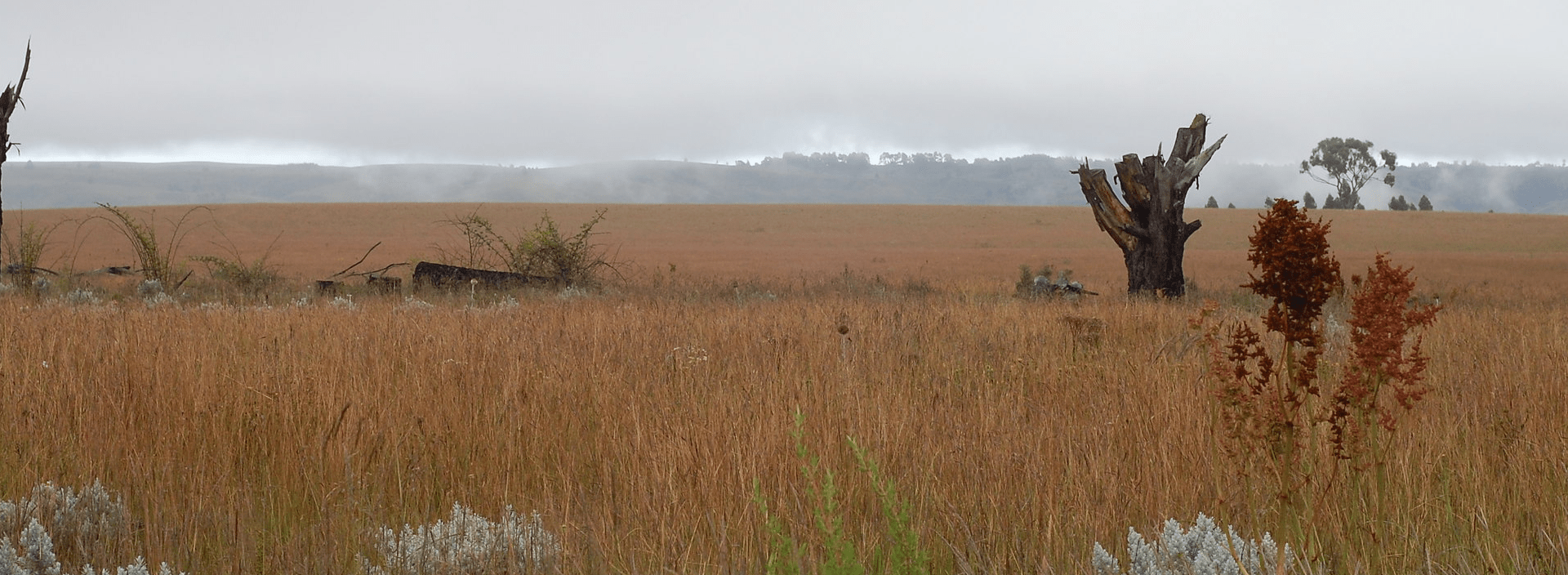
There is a particular kind of magic that happens when you kill the engine in the middle of the Serengeti, roll down your window, and listen to nothing but wind moving through golden grass and the distant bark of a zebra. No guide checking his watch. No other vehicle is idling beside yours. Just you, the dust, and the limitless horizon of East Africa’s greatest wilderness.
This is what a self-drive safari in Tanzania feels like—and it is unlike anything a standard tour can offer.
Tanzania is one of the last places on earth where a traveler can genuinely disappear into the wild on their own terms. From the snow-capped silhouette of Kilimanjaro to the flamingo-fringed shores of Lake Manyara, the country holds some of Africa’s most iconic landscapes. And thanks to a growing network of affordable 4×4 car hire in Tanzania, more independent travelers are discovering that renting a vehicle and setting their own itinerary is not only possible—it is extraordinary.
Why Self-Drive Changes Everything
Organized game drives have their place. An experienced guide adds context, spots animals you would have driven past, and handles the logistics so you can simply absorb the experience. But there is a trade-off: you move on someone else’s schedule. When a leopard drops from a tree fifty meters away, you get ten minutes before the convoy moves. When the light turns gold at 5 p.m. and the plains glow copper, your driver is already turning back to camp for dinner.
With a self-drive safari vehicle rental in Tanzania, you are the decision-maker. You stay until the lions move. You take the long route because something in the distance caught your eye. Likewise, you stop for an hour at a waterhole and watch a drama unfold that no itinerary could have scripted. That autonomy—unhurried, instinct-led—is the real luxury of going it alone.
Choosing the Right Vehicle: 4×4 Hire That Can Handle the Bush
Tanzania’s national park roads range from well-graded gravel to deeply rutted, seasonally flooded tracks that would swallow a standard saloon car whole. If you are planning to enter Ngorongoro Crater, drive the northern circuit, or push into Ruaha or Katavi in the southern highlands, there is no question: you need a high-clearance 4×4 car hire in Tanzania.
The most popular choices among self-drivers are the Toyota Land Cruiser and the Toyota Hilux. Both are rugged, widely serviced, and engineered for exactly this kind of terrain. Many 4×4 rental companies in Tanzania offer roof-pop camping conversions with built-in rooftop tents, a second battery for a fridge, a camp kitchen drawer, and a snorkel for river crossings—everything you need to turn the vehicle into a mobile basecamp.
When comparing self-drive 4×4 hire packages in Tanzania, look closely at what is included. A good package should cover unlimited kilometers, comprehensive insurance, a recovery kit (hi-lift jack, sand tracks, tow rope), and at minimum one spare tire. Roadside breakdown support and a local SIM with the rental company’s contact saved in the phone are essentials worth confirming before you sign anything.
One-Way Rentals: The Freedom to Never Double Back
One of the most underrated advantages of renting privately is the one-way car hire option in Tanzania. Instead of looping back to your starting point—wasting days retracing roads you have already seen—you can design a route that flows naturally through the country’s geography.
A classic example: pick up your vehicle in Arusha, drive south through the Ngorongoro highlands, continue into the Ruaha ecosystem, and drop the car in Dar es Salaam before catching a ferry to Zanzibar. This kind of linear journey, moving through entirely different ecosystems, would be impossible or prohibitively expensive with a guided package. With a one-way 4×4 rental in Tanzania, it is simply how you travel.
One-way drop fees do apply, and they vary by distance and operator. Budget for these, but weigh them honestly against the cost of return transport and the days you would spend retracing your route—the arithmetic often favors the one-way option.
Camping in Tanzania’s Parks: Sleeping Inside the Wild
A self-drive safari pairs naturally with bush camping in Tanzania’s national parks, and this combination—vehicle plus tent—is where the adventure becomes genuinely transformative.
Tanzania’s parks offer a range of camping options. Public campsites, bookable through the Tanzania National Parks Authority (TANAPA), are basic and inexpensive: a cleared area, sometimes a long-drop toilet, and nothing between you and the sounds of the night. Special campsites are more remote and exclusive, allocated to a single group at a time, meaning you have an entire section of wilderness to yourselves. These are the places where hyenas circle the perimeter at midnight and lions call across the darkness an hour before dawn.
For those who want comfort without sacrificing the immersive experience, rooftop tent camping on a self-drive safari in Tanzania has become the gold standard. Sleeping elevated above the ground is safer and more comfortable than a ground tent and gives you an unobstructed view of the stars from inside your sleeping bag. Most dedicated 4×4 camping rentals in Tanzania come with rooftop tents as standard, making setup and breakdown genuinely fast.
Key parks for self-drive camping include the Serengeti (multiple public and special sites along the northern circuit), Ngorongoro Conservation Area, Lake Manyara, Tarangire—famous for its ancient baobabs and enormous elephant herds—and, for the more adventurous, Ruaha National Park, Tanzania’s largest and most rewarding off-the-beaten-track destination.
Planning a Self-Drive Safari: Practical Essentials
The paperwork is simpler than most people expect. A valid driving license from your home country is generally accepted, though an International Driving Permit is worth carrying as a precaution. Park fees are paid electronically via the TANAPA system, which has become significantly more straightforward lately. Fuel stations exist in all major gateway towns—Arusha, Moshi, Karatu, and Mbeya—and you should carry a full jerrycan once you leave urban areas.
Navigation is easier than it once was. Apps like iOverlander and Maps.me carry offline Tanzania maps with park road detail. A basic GPS unit loaded with Africa-specific maps adds an extra layer of security on longer routes.
The best season for self-drive safari car hire in Tanzania depends on your priorities. The dry season from June to October offers firm roads, concentrated wildlife around water sources, and excellent game viewing. January through March brings fewer tourists, lower rates from most budget self-drive safari rental companies in Tanzania, and, in Serengeti’s southern Ndutu area, the calving season—one of Africa’s most spectacular wildlife events.
The Honest Case for Going It Alone
Self-driving is not for everyone. It requires a tolerance for uncertainty, a willingness to read terrain, and the patience to troubleshoot when something goes sideways. But for travelers who value freedom over convenience, the self-drive model offers something that no guided tour can replicate: the sense that this wild, ancient continent is genuinely yours to discover.
When you book a self-drive 4×4 safari rental with camping gear in Tanzania, you are not purchasing a product. You are opening a door. What happens on the other side of it—which track you take, how long you stay, how deeply you let the wilderness in—that part is entirely up to you.
And that, precisely, is the point.
Planning a self-drive safari in Tanzania? Look for operators offering flexible one-way drop options, rooftop tent conversions, and full recovery kits. Book park campsites in advance during peak season, carry more water than you think you need, and leave your schedule looser than feels comfortable. The best moments will arrive unplanned.
