
Arusha National Park – Your Self-Drive Safari Destination in Tanzania
Located between two of the most famous mountains in Africa, Arusha National Park is among the best kept secrets that await visitors on a trip to Tanzania. Stretching out over an area of 137 sq km or 53 sq miles, the park lies to the north of Arusha city at less than an hour’s drive from the heart of the city. For those who want a getaway from the hustle and bustle of the city or simply looking to enjoy a few hours outdoors during the weekend, this park is the perfect place.
Arusha Uniquely Diverse Wildlife Sanctuary
The fauna and avifauna found in Arusha National Park are highly diverse, with a significant number of mammals and birds present in quite a small park. For instance, Arusha National Park is known as being the home of the largest population of giraffes in Tanzania, and they are often seen feeding peacefully in the woods. The list of mammals includes zebras, Cape buffalo, waterbuck, warthogs, hippos, and bushbucks, all of which are likely to be encountered on almost any game drive conducted within the park boundaries. It should be noted that there are black-and-white colobus monkeys in the montane forests, while olive baboons freely roam the savannah.
The absence of lions and rhinos within Arusha National Park means that it is impossible to encounter the famous African Big Five within the confines of the park; however, there are plenty of buffalo, while elephants and leopards are less frequent sightings. In fact, the absence of dangerous predators contributes greatly to the park being very well suited for walking safaris and self-drive game drives. There is no need to hurry as there is absolutely no danger to be afraid of during the tour.
The Momella Lakes located inside
Landscapes That Steal the Show
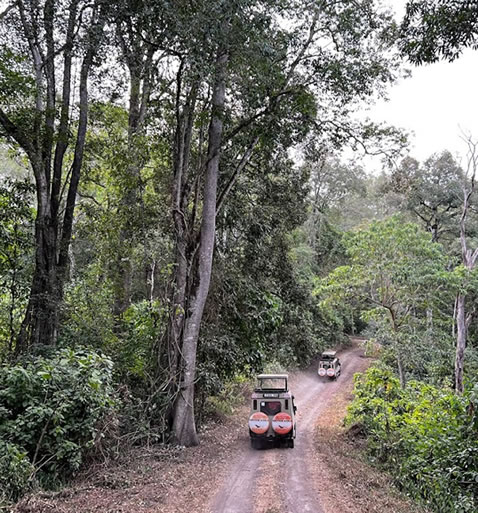
One of the park’s greatest strengths is its sheer landscape diversity. Within a single day, visitors can move through lush montane forest, open grassy plains, swamps, and the shores of multiple lakes — each environment harbouring its own distinct community of wildlife. Key highlights include:
- The Ngurdoto Crater: Often called the “Little Ngorongoro,” this collapsed volcanic caldera offers sweeping views from its forested rim. The crater floor is a protected wildlife sanctuary where herds of buffalo, warthog, and zebra graze undisturbed.
- The Momella Lakes: A cluster of seven shallow, alkaline lakes offering spectacular birdwatching and scenic canoeing opportunities. Each lake has a slightly different mineral composition, giving them their varying colours and supporting different species of aquatic life.
- Mount Meru: Standing at 4,562 metres, Mount Meru is Tanzania’s second-highest peak and the fifth-highest mountain in Africa. The mountain dominates the park’s skyline and rewards climbers with breathtaking views — including stunning panoramas of Mount Kilimanjaro on clear days. Multi-day treks to the summit typically follow the Momella Route, with overnight stays at Miriakamba Hut (2,500 m) and Saddle Hut (3,500 m). Three- and four-day guided treks are the most popular options. The best time to hike Mount Meru and spot wildlife in the park is during the dry season, typically between June and October. For the most spectacular views of Kilimanjaro, December through February — when skies tend to be clearest — is ideal.
Park Regulations and Safety Rules
To ensure the safety of both visitors and wildlife, TANAPA (Tanzania National Parks Authority) enforces the following rules in Arusha National Park:
- Driving is permitted only between 6:00 am and 6:00 pm.
- The speed limit within the park is 50 km/h — strictly enforced.
- All visitors must stay on designated roads; off-road driving is prohibited.
- Exit your vehicle only in designated areas such as picnic sites, campsites, or viewpoints. Wildlife poses serious risks and animals must never be approached on foot outside of authorised walking zones.
- Maintain a respectful distance from all animals. Never feed wildlife or make excessive noise, as this disturbs natural behaviour and can be dangerous.
- Upon entering the park, all visitors must register, make payment, and be assigned a ranger for certain activities such as walking safaris.
How We Started and Where We're Going
Self-drive and Camping
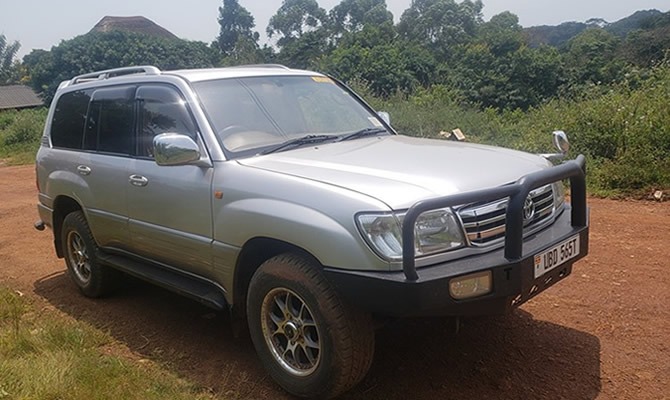
Self-driving safaris and camping offer you greater freedom and flexibility during your safari holidays.
Self-drive and Camping
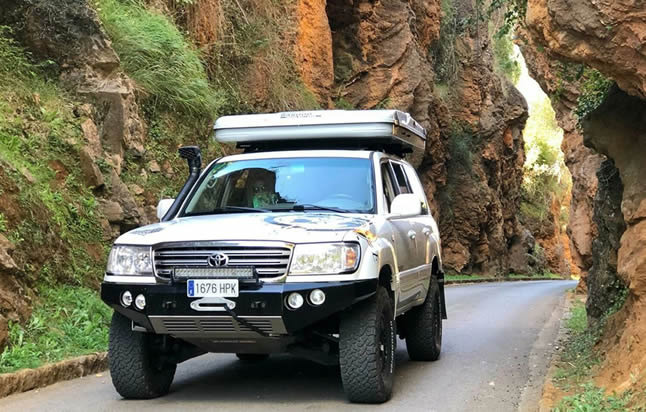
Self-driving safaris and camping offer you greater freedom and flexibility during your safari holidays.
Self-drive and Camping
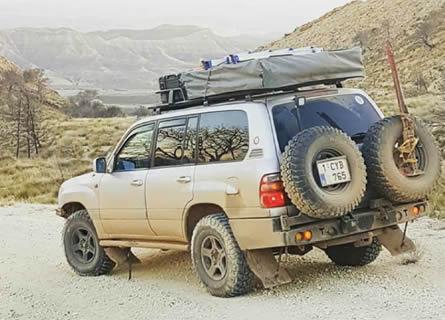
Self-driving safaris and camping offer you greater freedom and flexibility during your safari holidays.
Self-Drive Safaris: Freedom to Explore at Your Pace
Arusha National Park is one of the few parks in Tanzania — and in East Africa — where self-drive safaris are genuinely practical and highly recommended. The park features a range of ecosystems, including the Ngurdoto Crater, a montane forest home to colobus monkeys, grassy hills, swamps, and the Momella Lakes. All of these can be explored via a network of game-drive circuits that range from smooth tarmac to rugged dirt tracks.
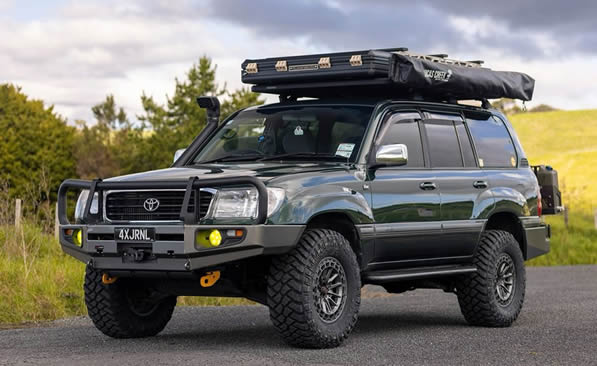
For self-drive visitors, a reliable high-clearance 4×4 vehicle is essential — particularly during the rainy seasons (March to May and November). Paved roads exist near the park’s main features, but more remote areas require off-road capability. Before heading out, make sure your vehicle is equipped with a spare tyre, a jack, an emergency kit, sufficient fuel (there are no refuelling stations inside the park), and enough water for the day. Navigation can be challenging in less-visited areas, so a GPS device combined with a physical map is strongly advised.
We offer high-quality 4×4 vehicle rental services from both Arusha and Dar es Salaam, with rooftop or ground tents available depending on your itinerary. Vehicles can be delivered to any location within Tanzania. Shared and private group tours are also available for those who prefer a guided experience.
Activities in Arusha National Park
Beyond game drives, the park offers a rich variety of activities that make it one of Tanzania’s most versatile destinations:
Walking Safaris: Arusha National Park is one of the rare locations in East Africa where guided walking safaris are permitted. Accompanied by an armed ranger, visitors can explore on foot and observe wildlife — including buffalo, giraffe, and primates — at close quarters. This is an intimate and deeply immersive experience unavailable in most other Tanzanian parks.
Canoeing on the Momella Lakes: Paddling across the calm, flamingo-dotted waters of the Momella Lakes is one of the park’s most memorable experiences. Guided canoe trips allow you to glide silently among waterbirds and take in the scenery from a completely different perspective.
Game Drives: Both morning and afternoon game drives are popular for spotting buffalo, giraffe, zebra, waterbuck, colobus monkeys, hippos, and warthogs across the park’s varied habitats. The golden light of early morning and late afternoon makes for particularly rewarding photography.
Mount Meru Trekking: The mountain offers trekking routes for all fitness levels, from gentle day hikes through the lower forest to the full summit ascent over three or four days. The Momella Route is the most popular trail and includes wildlife sightings along the lower slopes.
Horseback Riding and Cycling: For those who prefer to experience the park’s scenery without a vehicle, horseback riding and mountain biking offer unique and exhilarating alternatives in designated areas.
Cultural Excursions: The park’s surroundings are rich in Meru and Maasai culture. A visit to local communities can be easily combined with your park experience for a fuller appreciation of the region.
Camping and Accommodation
Camping within Arusha National Park is a popular and highly recommended option for those wanting to immerse themselves in the park’s atmosphere after dark. Public campsites offer basic amenities, while private tented options provide a more comfortable experience. All camping requires prior booking through TANAPA Reservations or a licensed tour operator, and permits are issued at Momella Gate. For visitors preferring lodge accommodation, the nearby Hatari Lodge — a stylish property steeped in safari heritage — is a top choice, along with several other options situated just outside the park boundaries. Rooftop tent and ground tent configurations are available through our rental service.
Entry Fees and Payment
For non-residents aged 16 and over, the entrance fee is $50 USD during the high season and $45 USD during the low season. Non-resident children between the ages of 5 and 15 are charged $15 USD, while children under 5 enter free of charge. Tanzanian citizens and East African residents aged 16 and over pay 10,000 Tanzanian shillings, with children aged 5 to 15 paying 2,000 shillings. Note that an 18% tax applies to all entrance fees.
TANAPA parks are entirely cashless — all payments must be made by card or mobile money through the Government Electronic Payment Gateway (GePG). Visa and MasterCard are accepted at the gate; advance booking is not required. Additionally, open-roof safari vehicles incur a 50% surcharge on standard vehicle fees, so factor this into your budget when selecting your rental.
When to Visit
A visit to Arusha National Park is best enjoyed during Tanzania’s dry season, running from June to October and December to March. With less rainfall, wildlife sightings are more frequent and road conditions are more manageable. The park is accessible year-round, however, and even the green season has its appeal — lush scenery, fewer visitors, and spectacular birdwatching as migratory species arrive.
Book Your Self-Drive Safari
Ready to explore one of Tanzania’s most accessible and diverse national parks? We provide premium 4×4 vehicle rentals from Arusha and Dar es Salaam, fully equipped for both day trips and extended camping adventures. Our team can customise your itinerary, arrange permits, and deliver your vehicle to your preferred location anywhere in Tanzania.
