
Drive East Africa; Tanzania, Kenya, Uganda & Rwanda
There are road trips, and then there are transformations. A self-drive through East Africa belongs firmly in the second category. You will cross savannah at first light with wildebeest flanking the track. You will navigate crater rims above clouds in the Ngorongoro Highlands. You will pull into a muddy campsite in southern Uganda with mountain gorillas on tomorrow’s itinerary. This is one of the world’s great overland routes — and it is entirely doable without a guide holding your hand, provided you choose the right vehicle, plan your border crossings, and know which sections reward a little local assistance.
This guide traces a logical circuit beginning in Arusha, Tanzania — well connected by flight from Addis Ababa, Nairobi, Entebbe, and Kigali — and ending in Kigali, Rwanda. It covers the top destinations in each country, recommended mid-range accommodation, vehicle choice, and the honest truth about when a driver-guide earns their fee.
Tanzania: Where the Journey Earns Its Soul
Tanzania sets the tone for everything that follows. Beginning in Arusha — a lively, traffic-dense city at the foot of Mount Meru — you are already at altitude (1,400 m) and immediately within reach of some of Africa’s most celebrated ecosystems. Allow two to three days in Arusha itself to organise supplies, obtain your East Africa Tourist Visa (which covers Tanzania, Kenya, and Uganda in a single stamp), and get your vehicle sorted.
Ngorongoro Conservation Area Wildlife
The crater floor is a concentrated wildlife spectacle unlike anything else on the continent—roughly 25,000 large animals confined within a collapsed volcanic caldera 20 km across. Self-drive on the crater floor is permitted, and routes are well marked. The rim itself commands dramatic highland scenery; the drive down is steep and rutted, requiring low-range four-wheel drive.
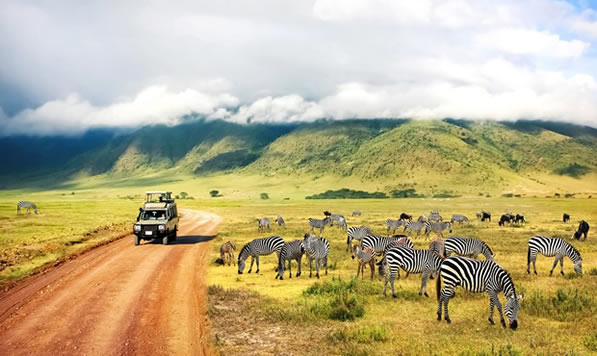
Serengeti National Park Great Migration
The Serengeti needs no introduction. With a self-drive vehicle, you can spend entire mornings following a cheetah hunt or watching river crossings at the Mara River (July–October). The park is vast—the central Seronera zone is the most accessible self-drive territory; the northern Lobo and western Grumeti corridors require better navigation skills and a high-clearance vehicle. Allow three to four days minimum.
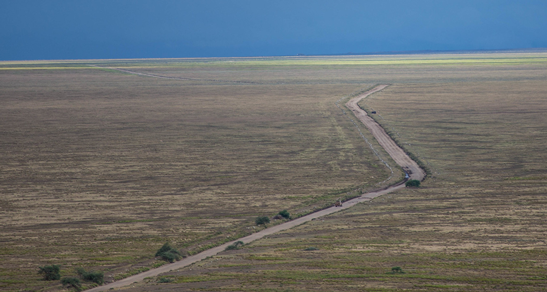
Zanzibar Detour
If your schedule allows, a ferry from Dar es Salaam or a short flight from Arusha delivers you to Zanzibar’s Stone Town and coral-white beaches. It adds three to five days and is impractical by road—but it is an ideal rest before the Kenya crossing. Mid-range pick: Zanzibar Coffee House in Stone Town; Essque Zalu on the northeast coast for something slightly indulgent.
Kenya: The Classic Unfolds
Crossing from Tanzania into Kenya at the Namanga border post is refreshingly straightforward — typically under two hours with the East Africa Tourist Visa already in hand. Kenya’s road network is more variable than Tanzania’s: major routes around Nairobi and toward the Rift Valley are well surfaced, but park access roads can punish unprepared vehicles. Nairobi rewards a one-night stop for resupply and administration.
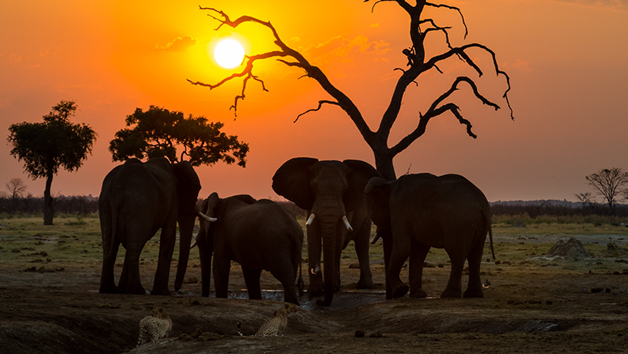
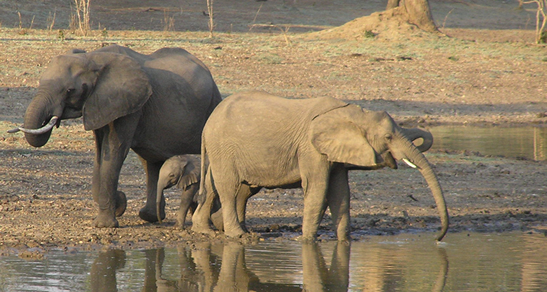
Amboseli National Park Elephants & Kilimanjaro
Amboseli’s famous composition—vast elephant herds against the snowcapped backdrop of Kilimanjaro—is best captured at dawn. Self-drive is permitted and routes are manageable, though the black-cotton soil becomes treacherous after rain. Allow two days.
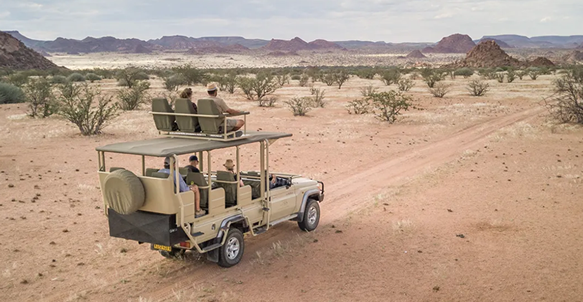
Masai Mara National Reserve Wildlife
The Mara is Kenya’s most celebrated reserve and the northern extension of the Serengeti ecosystem. Self-drive is popular, but navigating off-track areas and finding predators efficiently is where a local driver-guide genuinely adds value. For first-timers in the Mara, consider hiring a local guide for your game drive vehicle for one or two days—they read the landscape and radio networks fluently.
Lake Nakuru & Lake Naivasha Rift Valley
The Great Rift Valley lakes are a visual revelation — volcanic scarps dropping to flamingo-pink soda lakes. Nakuru hosts rhino and a vast bird population; Naivasha provides a calmer, hippo-fringed stop before heading north toward Uganda. Both are accessible on good tarmac roads. Allow one day each.
Uganda: The Pearl Reveals Itself
Crossing into Uganda at the Busia or Malaba border (from western Kenya) brings an immediate change of terrain — greener, more equatorial, the air noticeably softer. Kampala is a city of hills and energy, worth two nights. Uganda’s roads have improved significantly but southwest Uganda — where the gorillas live — involves long drives on winding highland roads. Budget extra hours and check road conditions before heading to Bwindi.
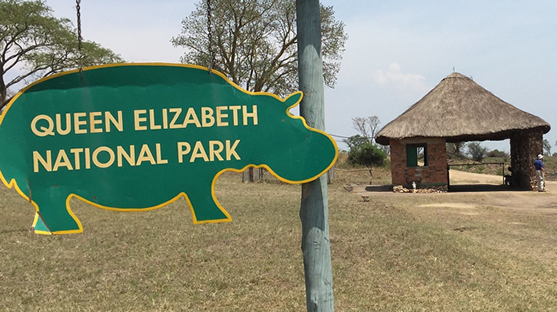
Queen Elizabeth National Park Wildlife & Primates
Uganda’s most popular park combines open savannah, crater lakes, and the famous Kazinga Channel boat cruise where hippos, crocodiles, and elephants converge. The tree-climbing lions of the Ishasha sector in the south are a unique draw. Self-drive works well in the main Mweya Peninsula area.
Bwindi Impenetrable Forest Mountain Gorillas
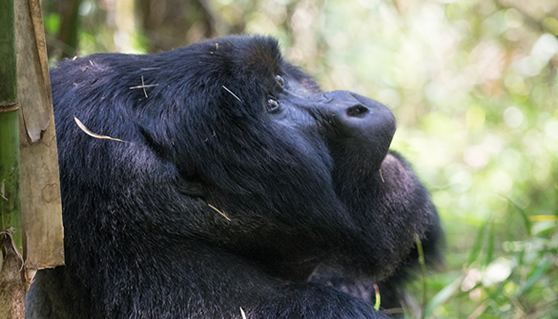
This is the centerpiece of any Uganda visit. Gorilla trekking permits must be booked months in advance through the Uganda Wildlife Authority. The trek itself can take thirty minutes or five hours—impenetrable means impenetrable. The drive to Bwindi from Queen Elizabeth is spectacular highland road; self-drive is straightforward in dry weather, but the final approaches to most lodges require 4WD.
Lake Bunyonyi Highlands
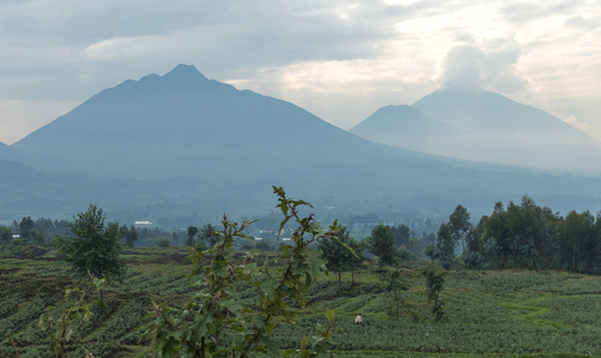
A stunning high-altitude lake dotted with 29 islands, Lake Bunyonyi sits between Bwindi and the Rwanda border. One night here serves as a natural transition stop—quiet, beautiful, and ideal for processing what Bwindi just delivered.
Rwanda: Small Country, Enormous Impression
Rwanda is the easiest country in the region to self-drive — roads are excellent, distances are short (the country is roughly the size of Wales), the border crossing at Katuna/Gatuna from Uganda is well organised, and Kigali is one of Africa’s most navigable capitals. The country is strikingly clean and orderly, and even remote routes toward Nyungwe and Kivu are well maintained.
Kigali City & Culture
More than a transit point: the Kigali Genocide Memorial is a profoundly important visit, and the city’s restaurant and café scene is sophisticated well beyond expectations. Allow two nights. Lemigo Hotel—well-located, genuinely mid-range, consistently reviewed.
Volcanoes National Park Mountain Gorillas
Rwanda’s gorilla experience is different from Uganda’s—more manicured, permit costs significantly higher (USD 1,500 vs Uganda’s USD 700), but with shorter, often more certain treks. The park is only ninety minutes from Kigali on excellent tarmac. Golden monkey tracking is an accessible, lower-cost alternative. A day trip from Kigali is possible; staying overnight near Kinigi is better.
Nyungwe Forest & Lake Kivu Forest & Water
Nyungwe is one of Africa’s oldest montane rainforests—home to thirteen primate species and spectacular canopy walks. Combined with a night or two on Lake Kivu’s shoreline at Rubavu or Kibuye, this southwestern circuit makes an ideal final act before returning to Kigali for the flight home.
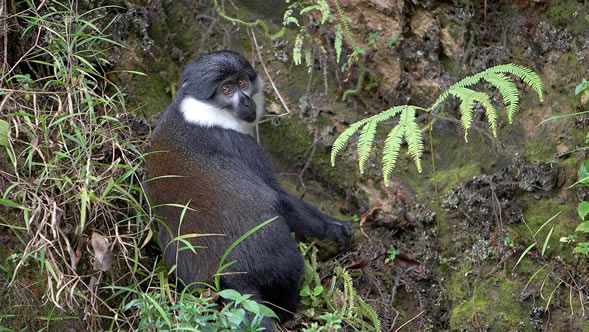
The single most important logistical decision on this trip is the vehicle. A standard sedan or even a soft-roader will get you into serious trouble in Bwindi, the Serengeti’s northern reaches, Amboseli’s black-cotton soils, or any of these parks after rain.
You need a proper sturdy 4×4 vehicle with genuine low-range capability, a high-clearance chassis, and ideally a rooftop tent or the ability to carry camping equipment..
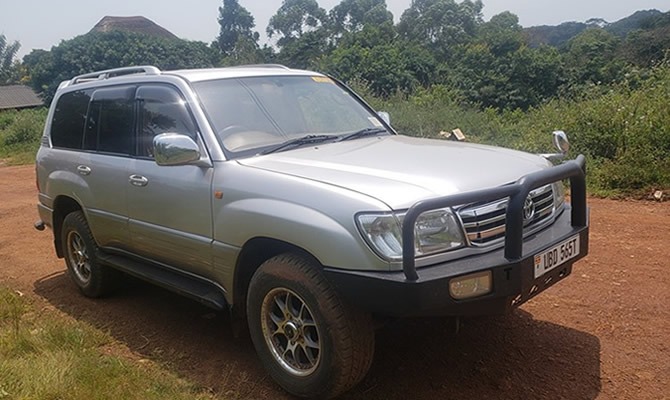
Toyota Land Cruiser V8
Comfort + capability More comfort-oriented than the 70 series, with full-time 4WD and good ground clearance. Excellent on mixed surfaces and comfortable for long tarmac stretches between parks. Widely available from rental agencies in Nairobi and Kampala.
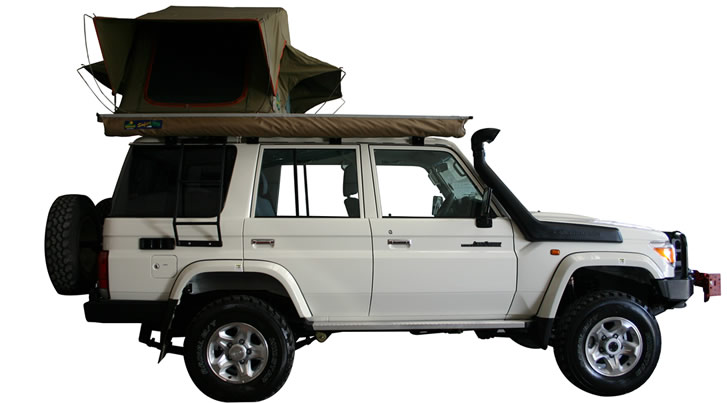
Toyota Land Cruiser 70/76/79 Series
Best overall choice The LX is best camping with rooftop tents. With its suspensions, it can lift two double tents for 4 people on camping and self drive. Book from any big city around East Africa, we have great deals for your. Drive a one way self drive trip through East Africa.
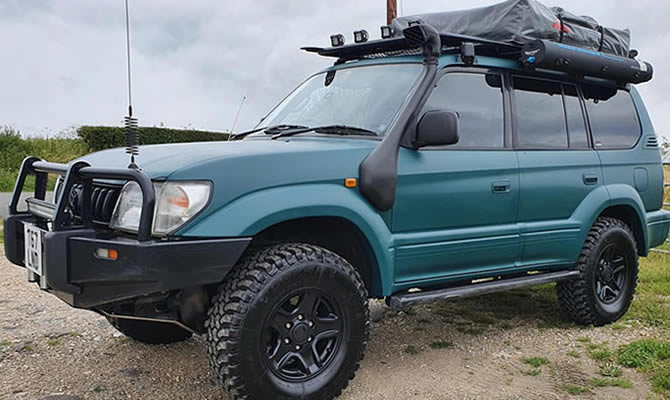
Toyota Land Prado - Budget option on self drive.
Best overall choice The undisputed king of East African roads. Spare parts are available in every town of consequence. Mechanically simple enough for roadside repairs. The wagon version seats six and swallows luggage. Rental rates are higher, but the reliability differential is decisive.
Toyota Hilux (double cab)
Significantly cheaper to rent than wagons. Ideal for two travellers with manageable luggage who want genuine off-road capability without the wagon price. Load management is critical — keep weight balanced in the tray and use a canopy if camping.
Nissan Patrol Y61
Comparable capability to the Land Cruiser 70, with a loyal following in Uganda and Rwanda. Parts availability is slightly less universal than Toyota but still adequate. A suitable option when Land Cruisers are unavailable at rental agencies.
Important notes for East Africa self-drive road trips
Full spare tyre (ideally two), recovery kit (hi-lift jack, sand tracks, tow rope), jerry cans for fuel, a working GPS or offline maps loaded with park tracks (Maps.me or Gaia GPS), and a comprehensive breakdown/recovery policy covering cross-border incidents. Verify the rental agreement explicitly permits cross-border travel into all four countries — not all do.
Is a Driver-Guide Worth It?
The full circuit is entirely achievable without a hired driver-guide for a confident, prepared traveler. However, “self-drive throughout” comes with real trade-offs in specific sections, and the honest answer is that a local guide adds measurable value in two or three key moments.
“You can drive the Serengeti alone and see lions. You can also spend a morning thirty meters from a leopard’s kill because a driver who speaks Maa called his ranger contact at 6 a.m.”
- ① Masai Mara (Kenya): The reserve’s off-road zones and predator locations are navigated fluently by local Maasai guides with radio networks among rangers. For one or two days, hiring a local guide to join you in your own vehicle (standard practice; rates roughly USD 80–120/day) is strongly recommended for first-timers.
- ② Bwindi approaches (Uganda): The gorilla trek itself is always led by a UWA ranger—this is non-negotiable and included in the permit. The drive to Bwindi is self-drivable, but the final few kilometers to outlying lodges in the wet season genuinely benefit from local knowledge about which tracks are passable.
- ③ Serengeti northern sector: If you plan to chase the migration in the Lamai Wedge or Kogatende area, a driver-guide who knows the crossing points pays for themselves in a single morning. Otherwise, the central Seronera zone is self-drive-friendly with well-marked roads.
- ④ Urban navigation (Nairobi, Kampala): Both cities are chaotic, traffic-dense, and prone to sudden route changes due to construction. Using your vehicle’s GPS plus Google Maps works adequately; in Nairobi especially, a hotel-arranged driver for airport transfers and city errands is a cheap stress-reduction measure.
- ⑤ Rwanda and Tanzania: These countries need the least assistance. Rwanda’s roads and signage are exceptional for the region. Tanzania’s parks (Ngorongoro, and Serengeti Central) are well-mapped and self-drive-friendly throughout the year except after very heavy rains.
The cost of hiring a local guide for specific days — rather than booking an all-in guided tour for the full circuit — is a fraction of what full guiding costs and preserves the freedom that makes this style of travel so rewarding.
Post Category
Practical Notes
Best time to go: June–October is the dry season across most of the region and coincides with the Mara migration. January–February (short dry season) works well for southern Tanzania. Avoid April–May (long rains) for primary off-road routes. | Visas: The East Africa Tourist Visa (USD 100) covers Kenya, Uganda, and Tanzania in one stamp — apply online in advance. Rwanda requires a separate visa, available on arrival or online. | Fuel: Carry extra in remote Tanzania and Uganda. Rwanda and Kenya have fuel stations at reasonable intervals on main routes. | Cash: USD is universally accepted for park fees; local currency (KES, TZS, UGX, RWF) for day-to-day expenses.
Contact For More Information!
Book a 4×4 for East Africa Road trips. Choose Camping with rooftop tents, one way self drive safaris. Reach out to our team for a customised itinerary.
Dar es Salaam
- +255 791057740
- 4wddaressalaam@gmail.com
- Idris Street - Morogoro Road
Arusha
- +256 754256871
- info@4wddaressalaam.com
- Mianzi - Arusha Moshi Road
