
Serengeti vs. Masai Mara: Which Side of the Border Wins for Safari?
One ecosystem. Two countries. A border that means everything — and nothing at all.
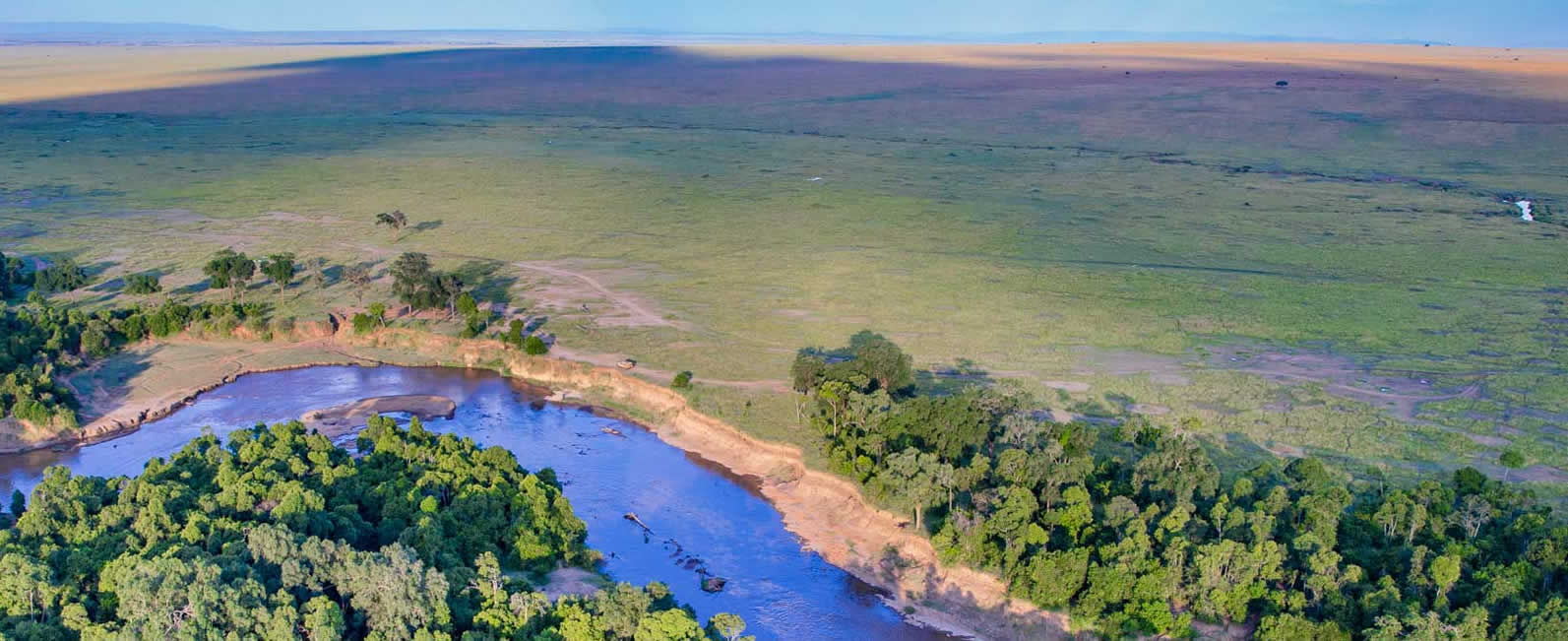
There is a line drawn across the East African savanna that does not exist in any meaningful ecological sense. The wildebeest do not see it. The lions do not respect it. The acacia trees grow on both sides of it without any particular regard for human political geography.
And yet the border between Tanzania and Kenya — the invisible line that separates the Serengeti from the Masai Mara — may be the most consequential boundary in African safari travel. Which side you choose shapes your entire experience: the cost, the crowds, the conservation model, the quality of your guide, the character of your mornings in the bush.
Both are extraordinary. Both are, in the right season and with the right expectations, among the finest wildlife destinations on Earth. But they are not the same. And for a first safari, or a milestone trip, or a return visit after years away, the choice between them genuinely matters.
This is the honest comparison no one gives you before you book.
First, the Geography
The Serengeti-Mara ecosystem is a single, continuous wilderness of roughly 40,000 square kilometres straddling the Tanzania-Kenya border. The Serengeti National Park — Tanzania’s contribution — covers about 14,763 square kilometres and is the older and larger of the two protected areas. The Maasai Mara National Reserve on the Kenyan side covers approximately 1,510 square kilometres: dramatically smaller, but bordered by a network of private conservancies that effectively extend its footprint.
The two parks are ecologically identical. Same grassland, same acacia woodland, same seasonal rivers. Same lions, same cheetahs, same herds of wildebeest completing the same ancient migration circuit. The landscape flows seamlessly across the border — what changes is the management model, the tourism infrastructure, and the regulatory environment on each side.
That is where the differences begin.
The Wildlife: A Draw, With Footnotes
In terms of raw species diversity and abundance, the two parks are functionally equivalent. Both support the full range of East African megafauna: lion, leopard, cheetah, elephant, buffalo, giraffe, zebra, hyena, wild dog, jackal, and an extraordinary range of antelope species. Both have exceptional bird life — over 500 species recorded in each.
The wildebeest migration passes through both parks at different times of year, and both offer different phases of the same spectacle.
Where they differ slightly:
Cheetah: The Mara’s open plains are arguably the finest cheetah habitat in Africa, and sightings are more consistent here than almost anywhere else on the continent. Cheetah mothers with cubs are a regular feature of the central Mara grassland.
Rhino: The Mara has a small population of black rhino, which are genuinely rare and declining across Africa. Rhino sightings are not guaranteed but are more likely here than in most of the Serengeti (though the Ngorongoro Crater, combined easily with a Serengeti trip, has excellent rhino).
Wild dog: African wild dogs are found in both ecosystems but are erratic and difficult to predict anywhere. Neither park has a significant resident population — sightings in both are exceptional rather than regular.
Sheer numbers: The southern Serengeti, particularly the Ndutu region between January and March, holds the single greatest concentration of wildlife in the world during calving season. No equivalent in the Mara.
Verdict: Draw. Specific preferences (cheetah → Mara, huge herds → southern Serengeti) might tip the balance for particular travellers, but neither park loses on wildlife.
The Migration: Timing Is Everything
Both parks are defined by the Great Migration, and the migration is the reason most first-timers visit. Understanding the circuit is essential to choosing correctly.
The wildebeest follow a rough clockwise circuit across the ecosystem, driven by rainfall and the availability of fresh grass. The key phases:
January–March (Southern Serengeti / Ndutu): Calving season. Up to half a million calves are born in a compressed three-week window — one of nature’s great spectacles. The short grass plains of Ndutu are covered in newborns, and predators converge from across the ecosystem. This is the best time to witness lion and cheetah hunting on the open plain. The Mara sees nothing of this phase.
April–June (Central and Western Serengeti): The herds move north and west through central Tanzania. Long rains fall across the region. Game viewing is more dispersed; this is shoulder season for both parks. The Mara remains excellent for resident wildlife but the migration has not yet arrived.
July–October (Northern Serengeti / Masai Mara): The herds reach the Mara River crossings — the most famous and dramatic phase of the migration. Wildebeest gather in their thousands on riverbanks, working up the nerve to cross water thick with Nile crocodiles. These crossings — explosive, chaotic, brutal, magnificent — can be witnessed from both the Kenyan and Tanzanian sides of the Mara River. This is peak season for both parks.
November–December (Serengeti): The short rains come, the herds turn south again, and the cycle restarts.
The critical insight: If you want the river crossings, both parks work during July–October. If you want the calving spectacle, you must be in the southern Serengeti. If you are visiting outside these windows, the Mara’s smaller size means wildlife is more concentrated and reliable year-round than the vast, dispersed Serengeti.
Crowds and Tourism Pressure
This is where the two parks diverge most sharply — and where the comparison becomes genuinely uncomfortable.
The Masai Mara has a crowd problem. During peak migration season (August–October), the number of game vehicles converging on a single river crossing can reach thirty, forty, sometimes fifty or more. Photographs of the Mara’s famous crossings frequently need to be cropped carefully to exclude the ring of Land Cruisers surrounding every sighting. The park’s small size means that popular sightings — a cheetah on a kill, a lion pride with cubs — become magnets for every vehicle in the reserve. The experience can feel uncomfortably like a wildlife zoo at its worst moments.
This is not a secret. Guides, operators, and conservationists in Kenya discuss it openly. The Mara has been, in some respects, a victim of its own fame.
The private conservancies bordering the Mara — Olare Motorogi, Mara North, Naboisho, Ol Kinyei — operate under strict vehicle limits and offer a dramatically different experience. A sighting in a conservancy might involve two or three vehicles. Walking safaris and night drives, prohibited in the national reserve, are permitted. These conservancies are the finest way to experience the Mara ecosystem and carry a price premium that reflects it.
The Serengeti is not without its own crowding issues — the park’s central circuit and the famous kopjes (rocky outcrops where lions lounge) can be busy in peak season. But the sheer scale of the Serengeti diffuses tourism pressure in a way the Mara cannot. Drive forty kilometres from the central corridor and you may not see another vehicle for hours. The southern plains during calving season feel genuinely, breathtakingly remote.
Verdict: Serengeti for scale and space. Mara conservancies for intimate wildlife encounters. The main Mara reserve in peak season is the most crowded wildlife destination in Africa.
Cost: The Honest Numbers
Kenya is more expensive than Tanzania for safari. This is a consistent truth across almost every comparable category.
Park fees: The Masai Mara National Reserve charges non-residents $200 per person per day during peak season (July–October) — among the highest park fees in Africa. The Serengeti charges approximately $70 per person per day. This difference, across a seven-night stay, is a significant sum.
Accommodation: Both parks offer a range of options from mid-range tented camps to ultra-luxury. At equivalent quality levels, Mara properties tend to run slightly higher than Serengeti equivalents — though the gap is narrowing as Tanzania’s tourism infrastructure improves.
Overall trip cost: A well-run seven-night safari in the Mara (main reserve) runs approximately $4,500–$9,000 per person depending on accommodation quality. An equivalent Serengeti trip runs approximately $3,500–$8,000. The difference is meaningful but not transformative at the higher end of the market; at the budget end, the Serengeti represents considerably better value.
Mara conservancy premium: Private conservancy camps in the Mara — the ones that solve the crowding problem — carry a conservancy fee on top of standard accommodation rates, pushing nightly costs to $800–$2,000 per person. This is serious money, and it buys a serious experience.
Verdict: Serengeti wins on value. The price gap is real and consistent.
Guides and the Human Element
The quality of your guide is, more than any single factor, what determines the quality of a safari. A mediocre guide in the best park in the world will give you a worse experience than an excellent guide in a less famous reserve.
Both countries have guide training programs, and both produce outstanding naturalists. But the systems are different.
Tanzania’s guiding industry has historically been strong on natural history knowledge — Tanzanian guides are often exceptionally well-informed about ecology, bird identification, and animal behaviour. The Serengeti’s scale also means that experienced guides have developed highly refined skills at tracking and reading vast, open landscapes.
Kenya’s guiding culture has a longer relationship with an international tourism market and tends to produce guides who are very skilled at communication — at reading what guests want, managing group dynamics, and narrating wildlife encounters in ways that land emotionally. The Mara’s private conservancies, in particular, have some of the finest guides in Africa.
In both countries, the range of guide quality is wide, and the difference between a great guide and an average one is enormous. This is a strong argument for booking with a reputable operator who selects and vets their guides, rather than booking accommodation independently and hoping for the best.
Conservation: Two Different Models
The Serengeti and the Mara represent genuinely different approaches to conservation financing, and understanding the difference matters if you care about where your safari money goes.
The Serengeti is a national park managed by the Tanzanian government through TANAPA (Tanzania National Parks Authority). Entry fees and concession fees paid by lodges go into a government fund. The model has produced a well-managed, consistently monitored park, though concerns about bureaucratic inefficiency in the distribution of funds toward anti-poaching and community benefit are real and ongoing.
The Masai Mara is a national reserve, managed by Narok County Council — not the central government — which has created a more complicated and sometimes more contested governance structure. Revenues from the reserve have not always been well-distributed to local Maasai communities, creating historical tension. The private conservancies surrounding the reserve, by contrast, represent one of Africa’s most successful models of community conservation: Maasai landowners lease their land to tourism operators, receive direct income, and participate in governance decisions. This model has produced both excellent conservation outcomes and real economic benefit to local communities.
Verdict: The Serengeti’s national park model is more straightforward. But the Mara’s private conservancy model — for those who can access and afford it — represents genuinely progressive conservation thinking.
The Practical Comparison
Factor | Serengeti (Tanzania) | Masai Mara (Kenya) |
Size | 14,763 km² (vast) | 1,510 km² + conservancies |
Park fees | ~$70/day | ~$200/day (peak) |
Crowds | Moderate, dispersed | High in peak season |
Calving season | ✓ (Jan–Mar, Ndutu) | ✗ |
River crossings | ✓ (northern Serengeti) | ✓ (peak Jul–Oct) |
Night drives | ✓ (in concessions) | ✓ (conservancies only) |
Walking safaris | ✓ (in concessions) | ✓ (conservancies only) |
Self-drive | Not recommended | Possible but not ideal |
Malaria risk | Yes | Yes |
Combine with | Ngorongoro, Tarangire | Amboseli, Samburu, Laikipia |
So Which One Wins?
Here is the honest answer: it depends on when you are going and what you want to spend.
Choose the Serengeti if:
- You are visiting between January and March and want the calving spectacle
- You want more space and fewer vehicles around wildlife sightings
- Budget is a meaningful consideration
- You want to combine with Ngorongoro Crater or Tarangire
- You are on your first safari and want the most consistently excellent all-round experience
Choose the Masai Mara if:
- You are visiting between July and October and want the river crossings with maximum convenience
- You can access a private conservancy, solving the crowd problem entirely
- You want to combine with other Kenyan destinations (Amboseli, Laikipia, the coast)
- You are interested in the community conservancy conservation model
Choose both if:
- You have ten or more days and the budget to support internal flights across the border
- You want to experience the migration from both the Tanzanian and Kenyan perspectives
- You are a returning visitor wanting to deepen your understanding of the ecosystem
The One Thing They Share
Whatever side of the border you are on, the mornings are the same.
You wake before dawn. You drive into the grassland as the sky turns from black to violet to copper. The air smells of grass and dust and something alive. An eagle lifts off a dead tree. A hyena trots across the track, heading home after a night’s work, unhurried. And then the light comes, and Africa opens in front of you — enormous, indifferent, ancient, completely itself.
No border changes that.
Practical note: Many safari operators offer itineraries combining both parks — typically four to five nights in the Serengeti followed by three to four nights in the Mara, with a short internal flight. The combined itinerary is particularly effective in August–October when the migration straddles both sides of the border simultaneously.
