
Self-Drive Trip - Tanzania
21-day Tanzania self-drive safari from Dar es Salaam to Arusha
Here’s a full account of a 21-day Tanzania self-drive safari from Dar es Salaam to Arusha — one of Africa’s most rewarding overland adventures.—
The full 21-day itinerary
Before you go — logistics
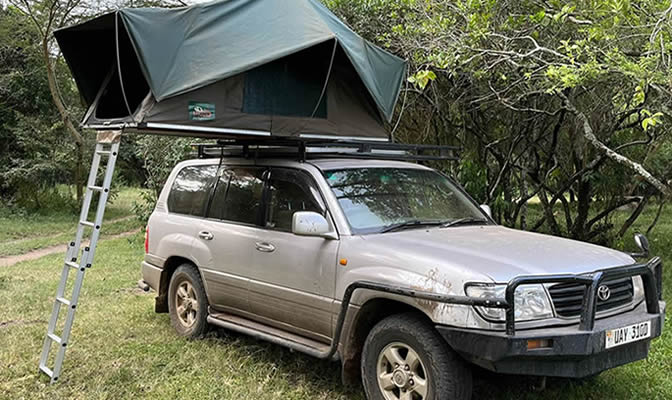
Vehicle: Book a 4×4 diesel Jeep (Land Cruiser 76/78/79 series or similar) with a rooftop tent, long-range fuel tank, dual spare tyres, jerry cans, a fridge/cooler, and a bull bar. Companies like Kibo Slopes, Nomad Tanzania, or Arusha-based Rent A Car Tanzania offer one-way rentals (Dar → Arusha). Expect a one-way surcharge of $100–$300 USD. Total vehicle cost: roughly $100–$180 USD/day all-in for a well-equipped rig.
Park fees: Tanzania Wildlife Authority (TAWA) and TANAPA charge entry fees in USD. Budget $40–$70 USD per person per day depending on the park, plus camping fees of $20–$40 USD/night. Pay with a Visa card at most gates.
Fuel: Fill up completely in Dar es Salaam and at every town. Diesel is widely available in Morogoro, Iringa, Dodoma, Arusha, and Moshi. Carry at least 40 extra litres in jerry cans for remote sections (Ruaha, Nyerere interior).
Best season: June–October (dry season) is ideal — roads are firm, wildlife concentrates at waterholes, and nights are cool for camping. Avoid the long rains (March–May) unless your vehicle has a snorkel and you enjoy mud.
Days 1–2 — Dar es Salaam → Mikumi National Park (~300 km)
Pick up your 4×4 in Dar and head west on the A7 highway through Morogoro. The road is excellent tarmac. Arrive at Mikumi by mid-afternoon and set up at Mikumi Wildlife Camp or the TANAPA public campsite. Mikumi is the closest big-five park to Dar and a superb opener — the Mkata Floodplain delivers lions, elephants, buffalo, zebra, and giraffe in a compact, easy-to-navigate circuit. Spend the afternoon and a full morning game-driving before moving on.
Camp: TANAPA campsite inside the park or Mikumi Wildlife Camp (bandas available).
Days 3–5 — Udzungwa Mountains National Park (~85 km from Mikumi)
A short drive south brings you to the “Galapagos of Africa.” Udzungwa is unique — no game drives here. You camp at Twiga Campsite and hike into the forest. The Sanje Waterfall trail (3–4 hours return) is unmissable: a cascade dropping 170 metres into rainforest. Watch for endemic Udzungwa red colobus monkeys and the rare Sanje mangabey. Two nights here gives you time for a longer ridge hike on day two.
Camp: Twiga Campsite, Udzungwa Mountains NP.
Days 6–8 — Ruaha National Park (~220 km west of Udzungwa via Iringa)
Drive through Iringa — a charming highland town, great for resupply, fresh produce, and a coffee — then descend onto the plateau toward Ruaha. This is Tanzania’s largest national park and arguably its wildest. Roads inside are corrugated dirt and sand river crossings are common in some areas, so four-wheel drive is essential. Ruaha is famous for its enormous elephant herds, wild dogs, and both lion and leopard. The Great Ruaha River is the spine of the park — camp as close to it as possible (Jongomero public campsite or the TANAPA riverside site). Three nights here — game drives morning and evening each day.
Camp: Ruaha NP TANAPA public campsite (riverside), or Kwihala seasonal fly camp area.
Days 9–11 — Nyerere National Park (formerly Selous) (~250 km east)
Drive back toward Iringa then southeast toward the Selous/Nyerere — the largest protected area in Africa. The northern (tourist) sector around Lake Manze and the Rufiji River is your target. Self-drive is permitted in the northern Game Reserve sector; boat safaris on the Rufiji are a highlight you shouldn’t miss (hire a guide and a dugout or motorboat at the Rufiji River Camp area). Hippos, crocodiles, elephants, and wild dogs are the stars. Camp at the public campsite near the Mtemere Gate or Lake Manze area.
Camp: Nyerere NP public campsite, Lake Manze area.
Day 12 — Transit: Nyerere → Morogoro (~250 km north)
A long but straightforward transit day northeast back to Morogoro on tarmac. Sleep in Morogoro town — there are several budget guesthouses and one decent hotel (Mama Pierina’s or the Morogoro Hotel). Stock up on food and fuel for the northern push.
Sleep: Morogoro town guesthouse.
Day 13 — Transit: Morogoro → Kondoa / Central Tanzania (~380 km)
Drive north through Dodoma (Tanzania’s capital — a good lunch stop) toward Kondoa. The Kondoa Rock Art Sites are a UNESCO World Heritage site — ancient San hunter-gatherer paintings in sheltered rock overhangs, some dated to 10,000–50,000 years ago. A local guide from the Cultural Tourism Programme is mandatory and takes about two hours. Camp at the Kondoa cultural campsite or push to Babati (another 80 km) for a wider choice of accommodation.
Camp: Kondoa area or Babati guesthouse.
Days 14–15 — Tarangire National Park (~120 km from Babati)
You’re now in northern Tanzania’s famous circuit. Tarangire is arguably the most underrated park in the country. During dry season it hosts one of the greatest elephant concentrations on Earth — thousands gather along the Tarangire River. The ancient baobab trees are extraordinarily photogenic. Self-drive is easy with good murram (gravel) tracks. Two nights at the public campsite inside the park. Do a dawn game drive to catch the light on the baobabs.
Camp: Tarangire NP TANAPA public campsite (Oliver’s area).
Day 16 — Lake Manyara National Park (~80 km)
A single focused day at Manyara. The park is slender — a strip of forest and acacia woodland between the Rift Valley escarpment and the lake — but it punches above its weight. Tree-climbing lions are the famous draw, and the alkaline lake attracts thousands of flamingos when water levels suit. Drive in for the morning, picnic at the hippo pool, and exit for a night in Mto wa Mbu village outside the gate (great local market, fresh fruit, cheap guesthouses or the Panorama campsite on the escarpment above town).
Camp: Panorama campsite, Mto wa Mbu, or inside Manyara NP at the TANAPA site.
Days 17–18 — Ngorongoro Conservation Area
The most dramatic two days of the trip. Drive up to the Ngorongoro Crater rim (2,300 m) and camp at the Simba campsite — cold nights, stargazing at altitude, and at dawn the crater below you fills with mist. Descend into the 260 km² caldera for an all-day game drive: the crater floor hosts one of the densest concentrations of wildlife on earth — lion, rhino (rare), elephant, wildebeest, zebra, hyena, and cheetah. Day two: explore the wider Conservation Area — visit Olduvai Gorge (now Oldupai), the paleoanthropological site where Louis and Mary Leakey discovered the earliest human ancestors. A museum and short guided walk are included.
Camp: Simba A or B campsite, Ngorongoro Crater rim (bring a warm sleeping bag — temperatures drop to 5–8°C).
Days 19–20 — Serengeti National Park (~80 km west of Ngorongoro)
Enter the Serengeti through the Naabi Hill gate. The Central Serengeti (Seronera valley) is the most accessible part for self-drivers and reliably excellent year-round. The famous river-crossing spectacle (Mara River, July–October) is in the Northern Serengeti — if you’re travelling in that window, push the extra 80 km north to Kogatende and camp at the TANAPA site near the river. Two full days here. The Seronera River circuit is superb for leopard; kopjes (granite outcrops) hold sleeping lions. Balloon safaris are bookable for around $600 USD but you’ll need to arrange in advance.
Camp: Seronera TANAPA public campsite, or Kogatende campsite (northern Serengeti, dry-season travellers).
Day 21 — Serengeti → Arusha (~330 km) — Drop-off
Exit via the Naabi Hill gate and drive northeast to Arusha on a combination of dirt and tarmac. The route passes through Karatu and the Manyara escarpment — stunning scenery on your last driving day. Arrive in Arusha by late afternoon, return the 4×4 at the rental depot (arrange the exact drop-off address in advance), and celebrate at one of Arusha’s excellent restaurants — Arusha Coffee Lodge, The Arusha Hotel terrace, or the lively Masai Camp for a cold Kilimanjaro beer.
Gear & camping essentials
Take a rooftop tent (usually included), a 3-season sleeping bag (4-season for Ngorongoro rim), a camp kitchen with gas burner, a 60L cooler/fridge (12V compressor type), a first-aid kit, a high-lift jack, MaxTrax recovery boards, a hand-operated tyre inflator, and a sat phone or SPOT device for the remote southern parks.
Budgeting at a glance
| Category | Approx. cost (2 people, 21 days) |
|---|---|
| 4×4 one-way rental | $2,500–$3,500 |
| Park fees + camping | $2,000–$2,800 |
| Fuel (~3,200 km) | $400–$600 |
| Food & supplies | $500–$800 |
| Accommodation (transit nights) | $150–$300 |
| Total | ~$5,500–$8,000 |
This is one of Africa’s great overland routes — the southern parks are wilder and far less visited than the northern circuit, and the payoff of driving yourself through all of it, camping under acacia trees with hyenas calling in the dark, is unlike anything else on the continent.
Lorem ipsum dolor sit amet, consectetur adipiscing elit. Ut elit tellus, luctus nec ullamcorper mattis, pulvinar dapibus leo.
