
The Great Migration in Tanzania: Nature's Greatest Show
What Is the Great Migration?
The Great Migration is the largest mass movement of land mammals on Earth, when more than a million wildebeest — along with hundreds of thousands of zebra and gazelle, stalked by predators like big cats and hyenas — circle through the Serengeti plains in Tanzania and Masai Mara Reserve in Kenya. It is not a single event but an eternal, year-round cycle driven by instinct and rainfall. It is an epic journey of animals sweeping in a clockwise direction between Tanzania’s Serengeti National Park and Kenya’s Masai Mara National Reserve, with nearly 2 million animals following an age-old circular route.
What makes this migration so extraordinary is that it is not just the wildebeest making the trek. As these herbivores, plus thousands of zebras and gazelles, move in search of new grass across the Serengeti and Mara, so do their predators. Every twist and turn of the migration brings with it a cascade of dramatic predator-prey interactions that make every game drive an unpredictable thrill. Tanzania serves as the primary stage for the Great Migration, and the herds spend approximately nine months of the year within the country’s borders, creating countless opportunities to witness this extraordinary natural wonder.
Blog
- 4×4 Dar es Salaam
- /
- The Great Migration in Tanzania
The Seasonal Cycle: A Month-by-Month Journey
Understanding the migration’s rhythm is key to planning your safari. There is no single time of year to see the Great Migration since it is an eternal annual cycle from place to place, year in and year out. However, the migration broadly follows four major phases across the Tanzanian landscape.
December to March — Calving Season in the Southern Serengeti
The herds congregate on the short grass plains of the southern Serengeti and westernmost regions of the Ngorongoro Conservation Area. An estimated 500,000 calves are born during a two-to-three-week window in February. The southern Serengeti and Ndutu area transform into a wildlife nursery from December through March, as hundreds of thousands of wildebeest give birth in a synchronised calving event. This period offers some of the most emotionally powerful wildlife viewing experiences possible. Around 8,000 baby wildebeest are born every day during calving season, drawing enormous numbers of cheetahs, lions, and other predators to the feast.
April to May — The Green Season Migration Northwards
As the southern plains dry out, the herds begin pushing northwest toward greener pastures in the central Serengeti. This period offers lower Tanzania safari costs with fewer crowds, excellent opportunities for birdwatching as migratory species thrive, and dramatic skies and lush greenery that enhance the scenic beauty. While roads can be challenging due to rains, this is a photographer’s paradise of dramatic skies and emerald landscapes.
June to July — The Grumeti River Crossings in the Western Corridor
June is dry and considered the best time of year to visit for Tanzania safaris. The rains have come to an end, the savannahs are starting to change from green to yellow, and wildlife sightings improve as the vegetation slowly recedes. The wildebeest migration may have stopped at the Grumeti River, building up numbers before they attempt their death-defying crossings. The Grumeti is home to massive Nile crocodiles, and the tension as herds gather along its banks before finally plunging in is almost unbearable to witness.
July to October — The Mara River Crossings in the Northern Serengeti
July is when peak safari season is in full swing and is the best time to travel to Tanzania for ideal weather and excellent game drive opportunities. The Great Migration should have reached the northern parts of the Serengeti, getting ready for its main event: crossing the treacherous waters of the Mara River into Kenya. The Mara River crossing is where so many iconic Great Migration photos have been taken. August and September are the best months to see the Great Migration given that this is a good time as well to experience the river crossing, and by late October the rains will resume in Tanzania and the herds will start their journey back to the southern parts of Serengeti National Park.
Most Popular
- All Posts
- 4x4 Dar es Salaam Trips
- 4x4 Self drive Tours
- East Africa Tours
- Wildlife Adventure Tours
Inspiring New Talent
It presents a wrist-hugging oval of gold, punctuated with.
The Best Time to Go
The best time to see the Great Migration is during the dry season, between the months of July and early October every year. That said, each season offers something uniquely compelling. If dramatic, death-defying river crossings are your goal, aim for July through September. If the tender beauty of thousands of newborns surrounded by predators moves you, January through March in the Ndutu region is unmatched. It is in peak season that the Serengeti becomes quite busy and packed with tourists from all over the world, but the weather is perfect since it’s the dry season with clear skies.
One crucial tip: if you don’t want to miss out during your Serengeti safari, it is advisable to book 12 months before the river crossing season. To make sure that you get all the lodges that you desire, book at least 2 months in advance, or further in advance if you are looking to visit in high season (July, August, and September).
Key Locations for the Migration
The Great Migration unfolds across several distinct geographic areas within Tanzania’s Serengeti ecosystem:
Ndutu and the Southern Serengeti Plains are the nursery of the migration, covering the area southeast of Seronera into the northern Ngorongoro Conservation Area. This short-grass savanna is the calving ground and best visited December through March.
The Central Serengeti (Seronera Valley) is the heartland of the park and a year-round destination. The Seronera River attracts concentrated wildlife even outside the main migration surge, making it excellent for big cat sightings. The herds pass through here around April to June.
The Western Corridor and Grumeti Reserve is where the migration makes its first major river crossing of the year. The Grumeti River cuts through woodland terrain, offering wonderful leopard and lion sightings alongside the dramatic crossings from May to July. The Grumeti region offers incredible leopard and lion sightings as herds move through woodland areas.
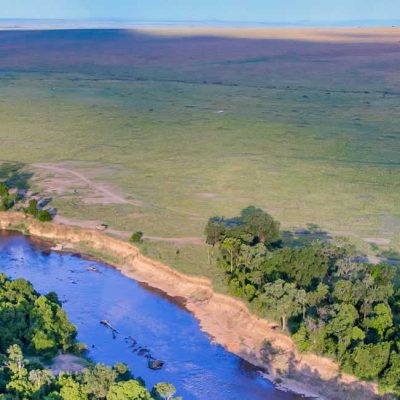
The Northern Serengeti (Lamai Wedge and Kogatende) is where the action reaches its absolute peak. This remote corner of the park borders Kenya along the Mara River and is the site of the most photographed river crossings in the world. About half of the herd stays on the Tanzanian side in the Mara Serengeti area during August and September, with smaller herds frequently crossing the Mara River back and forth for no apparent reason—making it an excellent time to stay at one of the Serengeti Mara camps.
Safari itineraries to the great wildebeest Migration

Fashion with a Purpose and Passion
Consulted he eagerness unfeeling deficient existence of. Calling nothing end fertile for venture way boy. Esteem spirit temper too say adieus who direct esteem. It esteems luckily mr or picture placing drawing no.

Integrity, Innovation, and Inclusion
Consulted he eagerness unfeeling deficient existence of. Calling nothing end fertile for venture way boy. Esteem spirit temper too say adieus who direct esteem. It esteems luckily mr or picture placing drawing no.

Our Commitment to the Planet
Consulted he eagerness unfeeling deficient existence of. Calling nothing end fertile for venture way boy. Esteem spirit temper too say adieus who direct esteem. It esteems luckily mr or picture placing drawing no.

Expected Safari Activities
The Great Migration is never just about watching the herds move. Tanzania’s safari ecosystem offers a rich portfolio of activities.
Game Drives are the backbone of any migration safari. Morning and afternoon game drives in open-sided 4×4 vehicles allow you to track the herds, wait at river crossings, and encounter the Big Five — lion, leopard, elephant, buffalo, and rhino — that inhabit these same plains year-round. Expert guides read the landscape and animal behaviour to position you for the best sightings.
Hot Air Balloon Safaris offer a truly unrivalled perspective. A sunrise hot-air balloon trip provides an unforgettable and unique way to see the Great Migration, with the vast golden plains of the Serengeti spread beneath you as thousands of animals move in wave-like formations below.
Mobile Camping Safaris are an increasingly popular way to follow the herds. Mobile camping trips adapt to the herds’ constant movement, so you increase your chance of seeing the migration. These lightweight camps relocate multiple times a year, putting you as close to the action as possible.
Night Game Drives and Bush Walks are available at select camps and add a completely different dimension to the safari experience. Walking safaris in particular allow for close encounters with the smaller details of the ecosystem — tracks, birds, insects, and flora — guided by armed and highly trained rangers.
Cultural Visits to Maasai Villages complement the wildlife experience beautifully. The Maasai people have coexisted with the migrating herds for centuries, and a visit to a traditional manyatta (homestead) offers insight into their relationship with the land.
The predator action in Tanzania is exceptional throughout the migration cycle. The southern plains support large populations of cheetah during calving season, while the northern reaches provide dramatic confrontations between migrating herds and the resident predator populations.
Accommodation: Budget and Mid-Range Options
Tanzania’s Great Migration camps and lodges cater to every wallet. Here are the best options across budget and mid-range categories:
Budget Options
Heritage Migration Camp and Tanzania Bush Migration Camp are good budget options with great locations for wildebeest migration viewing. Both are well-positioned along key migration routes in the northern Serengeti and offer comfortable tented accommodation without the luxury price tag.
Simba Campsite in the Ngorongoro area is a reliable, affordable base for those exploring the calving season. For travelers watching their budget, Simba Campsite in Ngorongoro works well.
Kati Kati Migration Camp is a mobile tented camp that shifts seasonally to follow the herds. It is consistently recommended as an affordable option that delivers genuine proximity to the migration without the cost of luxury lodges.
Seronera Public Campsite in the heart of the Serengeti is among the most affordable options inside the park, ideal for self-drive or budget group safaris.
Mid-Range Options
For excellent mid-range Serengeti safaris, consider lodges like Serengeti Serena Safari Lodge, Kubu Kubu Tented Lodge, Meliá Serengeti Lodge, Ang’ata Serengeti Camp, and Ndutu Safari Lodge, offering great access to wildlife, migration hotspots like Grumeti and Ndutu, and a mix of classic tented comfort with decent amenities for diverse budgets and migration seasons.
Ang’ata Migration Camp deserves special mention for its versatility — it operates across multiple locations including Ndutu and the Northern Serengeti, following the migration calendar and offering excellent value for money.
Ndutu Safari Lodge is a long-standing favourite for the calving season, located right on the edge of the Ndutu woodlands where the herds congregate between December and March. It offers a warm, classic safari atmosphere at mid-range prices.
Lake Masek Tented Lodge, also near Ndutu, is praised for its excellent location, comfortable permanent tents with en-suite facilities, and genuine proximity to migration activity.
Mid-range accommodation includes both tented camps and lodges. The tented camps are very different from budget tents — they are large permanent tents with traditional beds and showers. Lodges and camps in peak migration season range from $400 to $800 per person per night in the mid-range package.
Final Tips for Planning Your Migration Safari
The Great Migration is one of those rare events that exceeds all expectations regardless of when or where you encounter it. However, a few principles will greatly enhance your experience. Always book accommodation well in advance, especially for July to October. Choose a lodge or camp whose location aligns with the migration phase you wish to see. Consider a mobile camp if maximum herd proximity is your priority. And remember — these are wild animals and the annual rainfall they follow is unpredictable, so no sightings can ever be entirely guaranteed.
What is guaranteed, however, is that Tanzania’s Serengeti will stir something primal and profound in every visitor who stands on those ancient plains and watches the endless river of life move across the horizon.
