
21-Day Southern Tanzania Self-Drive Safari
The Route: Dar es Salaam → Southern Circuit → Return
VEHICLE: 4×4 Land Cruiser with Rooftop Tent
Why a Land Cruiser? The Toyota Land Cruiser 76/78/79 Series is the gold standard for self-drive safaris in southern Tanzania. The terrain in Ruaha and Nyerere demands proper 4×4 capability — not just an SUV. Rental companies to consider in Dar es Salaam include Authentic Tanzania, Raje Adventure, Tanzania Tracks, and Nomad Tanzania.
Rooftop tent setup typically includes:
- A hard-shell or soft-shell rooftop tent sleeping 2 adults
- Camping kitchen box (gas stove, cookware, utensils)
- Sleeping bags and pillows (rented or bring your own)
- Basic recovery gear (hi-lift jack, tow rope, shovel)
- Fridge/cooler box (12V compressor fridge)
- First aid kit and snakebite kit
- UHF radio and/or satellite communicator (strongly recommended in Ruaha)
Rental rates for a fully equipped Land Cruiser with rooftop tent run approximately USD $150–$250/day from Dar es Salaam operators. Rates vary by season, with June–October (peak dry season) being pricier.
THE ITINERARY
📍 Days 1–4: Mikumi National Park (~300km from DSM)
Getting there: Take the A7 highway southwest from Dar es Salaam. The road is fully tarmacked and in good condition — you’ll pass Morogoro town and enter the park about 3 hours from DSM. This is one of the most accessible parks in Tanzania by road.
About Mikumi: Often called “Little Serengeti of the South,” Mikumi’s open Mkata floodplain offers superb wildlife viewing right from the roadside. Expect lion, elephant, giraffe, zebra, wildebeest, and hippo in the Hippo Pools near the main gate. It’s an excellent warm-up park before heading deeper south.
Campsites in Mikumi:
- Kikoboga Public Campsite — Located near the park headquarters, roughly 5km from the main Mikumi gate. Basic facilities: long-drop toilets, cold showers, fire pits. No electricity. Fee approx. USD $30/person/night (TANAPA rate for non-residents). Accessible by any vehicle on murram road.
- Vuma Hills Campsite — Operated by Vuma Hills Tented Camp, this public site sits on an elevated escarpment with views over the Mkata plain. More exposed and wilder than Kikoboga. About 15km inside the park on a graded dirt track manageable in 2WD in dry season but needs 4×4 in rains.
- Special Campsites (TANAPA) — Mikumi has several exclusive-use special campsites bookable through the TANAPA website (tanzaniaparks.go.tz). These have zero facilities — pure bush camping. Around USD $50/site/night plus per-person fees.
Road inside park: Well-maintained murram roads. Largely manageable but 4×4 is advisable especially near the Mkata river crossings in wet season.
📍 Days 5–7: Udzungwa Mountains National Park (~90km from Mikumi)
Getting there: Head west from Mikumi toward Kidatu junction, then south to Mang’ula village at the park gate. About 90–100km, mostly tarmac to Ifakara junction then local road to Mang’ula. The last section can be bumpy but is usually passable in a well-ground-clearance vehicle.
About Udzungwa: This is a departure from classic savanna safari — Udzungwa is a primordial montane rainforest, part of the Eastern Arc Mountains biodiversity hotspot. No vehicle game drives here; instead you hike. The star attraction is the Sanje Waterfalls trail (about 6km, ~3 hours), one of the most rewarding day hikes in East Africa. Also excellent for endemic primates, birds, and forest butterflies.
Campsites in Udzungwa:
- TANAPA Public Campsite (Mang’ula) — Right at the park headquarters in Mang’ula village. Basic facilities, toilets, and water. Good security. Gate opens at 08:00. Fees as per TANAPA standard rates.
- Hondo Hondo Udzungwa Forest Camp — A community-run ecolodge just outside the park boundary offering camping pitches with proper facilities. Warm showers, flush toilets, and a basic kitchen/dining area. An excellent base and friendlier for self-caterers.
- Your rooftop tent works perfectly at both sites. The climate here is cooler and more humid than the lowland parks — pack layers.
Note: Udzungwa’s park offices are closed on Saturdays and Sundays — plan your hikes for weekdays.
📍 Days 8–14: Ruaha National Park (largest park in Tanzania)
Getting there from Udzungwa: Head back north to the A7, then west through Iringa (~320km total, most on tarmac). Stop in Iringa town to resupply: this is your last major town. Fill up completely with diesel, get groceries, cash (ATMs available), and any mechanical checks.
Iringa to Msembe Gate: From Iringa, take the road toward Tungamalenga. The last ~75km to Msembe Gate is unpaved murram/earth road — passable in dry season in 2WD but demanding in wet season. In a Land Cruiser, allow about 1.5–2 hours from Iringa to gate. The road was being improved in recent years; conditions vary.
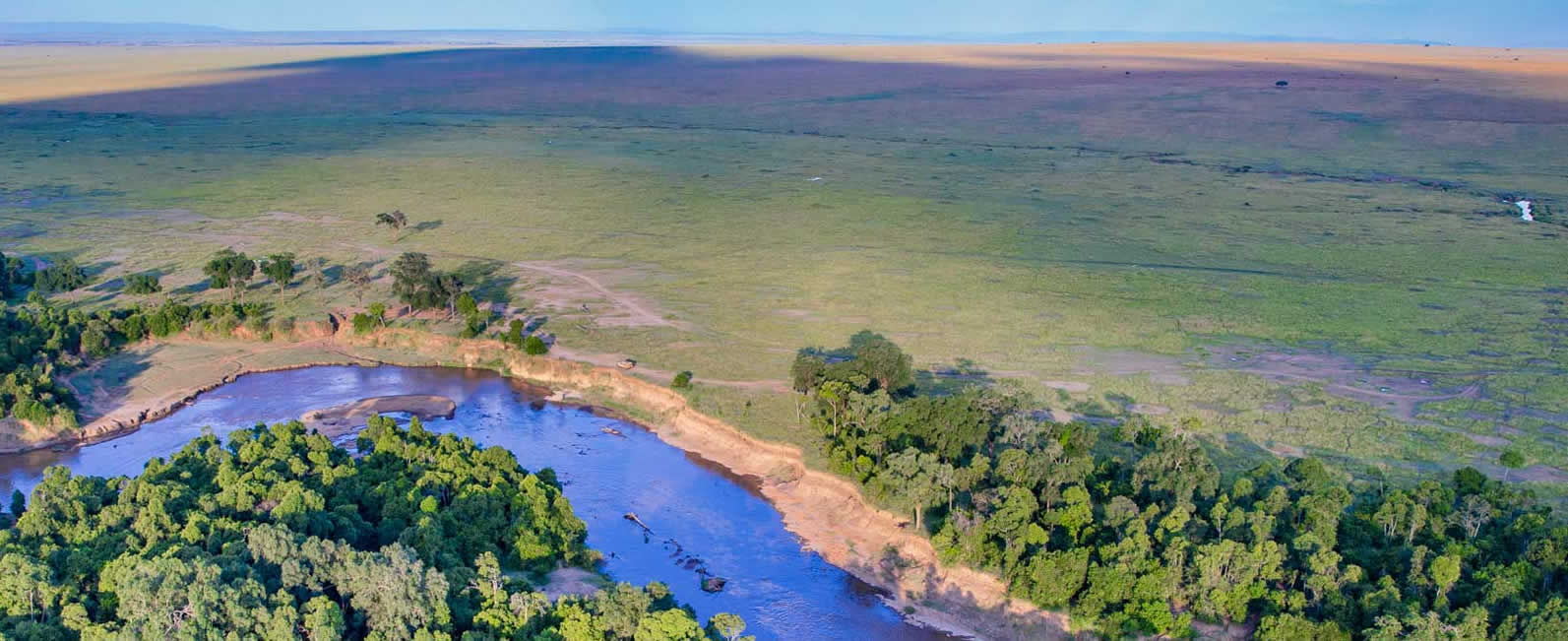
About Ruaha: Tanzania’s largest national park at ~22,000km² is the crown jewel of the southern circuit. Only ~15,000 tourists visit annually — you will often feel like you have the entire wilderness to yourself. The Great Ruaha River is the anchor, drawing massive elephant herds (some of Africa’s largest populations), lion prides, leopard, cheetah, African wild dog, hippo, and crocodile. The landscape is dramatic: baobab-studded plains, rocky escarpments, and dense miombo woodland.
Campsites in Ruaha:
Msembe Public Campsite — Located near the park headquarters and TANAPA office at Msembe, right on the bank of the Great Ruaha River. This is the main self-drive camping base. Facilities include flush toilets, running water, and basic shade shelters. Wildlife wanders through camp — hyena at night is common, and lions have been heard from the tents. TANAPA fee ~USD $30/person/night. Accessible via the Msembe Gate road.
Mwagusi Sand River Camp Area — About 25km east of Msembe along the river. The public campsite here is more remote. The Mwagusi sand river is a key wildlife corridor. 4×4 essential for the access track. Very basic — bring everything you need.
Jongomero Public Campsite — Deep in the southern part of the park near the Jongomero River, approximately 60km from Msembe. This is a truly remote, off-the-beaten-track site. The access road crosses several seasonal dry river beds and requires confident 4×4 driving. Absolute solitude. No facilities whatsoever — pure bush camping.
Special Campsites — TANAPA has several exclusive-use specials in Ruaha bookable online. Among the best are sites along the Ruaha River escarpments with unobstructed valley views.
Fuel note: There is no fuel inside Ruaha. Carry a minimum of 80–100 extra litres in Jerry cans. A full circuit of Ruaha’s best game viewing circuits can cover 200–300km over several days.
📍 Days 15–19: Nyerere National Park (formerly Selous Game Reserve)
Getting there from Ruaha: The journey from Ruaha to Nyerere is the most challenging driving segment of the trip. The most direct route goes via Iringa → Mahenge → Mlimba, then into Nyerere from the north via Matambwe Gate (~400–450km, much of it unpaved). Allow a full day of driving. An alternative is to backtrack east to Morogoro then south to Mloka/Mtemere Gate, which is more road-friendly but longer.
About Nyerere: Formerly the Selous Game Reserve, Nyerere National Park covers over 30,000km² and is one of Africa’s largest protected areas and a UNESCO World Heritage Site. The Rufiji River is the lifeline — boat safaris here offer a completely different wildlife experience from vehicle drives: hippo pods, Nile crocodile, elephant drinking at the banks, and extraordinary birdlife. Also known for large lion populations, painted dogs, and the rare Roosevelt’s sable.
Campsites in Nyerere:
Mtemere Public Campsite — Near Mtemere Gate in the northern sector, close to the Rufiji River. This is the most accessible public campsite and the de facto self-drive base. Has basic toilet facilities. The airstrip at Mtemere is right next to the campsite — you’ll hear light aircraft coming and going. 4×4 required but the access from Mloka village is relatively straightforward.
Beho Beho Area Campsite — In the northern sector near the Beho Beho hills, about 30–40km from Mtemere Gate. Remote and spectacular. The hills provide elevated viewpoints over the surrounding plains and the Rufiji basin. Very basic — bush camping only. 4×4 essential.
Lake Tagalala Campsite — A beautiful public campsite on the shores of Lake Tagalala, accessible from the Matambwe Gate area (~50km inside the park). Hippo are extremely active here — stay in your vehicle or tent after dark. The lake is a birding paradise. Seasonal access — can be cut off in rains.
Selous/Manze Area Special Campsites — Near the famous Manze Lake area, these exclusive-use specials offer the most dramatic hippo pool and crocodile-dense waterway in the park. Book via TANAPA well in advance.
Boat safaris: Park rangers offer boat safaris on the Rufiji for a fee — highly recommended as a contrast to vehicle drives. Organise at the gate or Mtemere ranger post.
📍 Days 20–21: Return to Dar es Salaam
From Mtemere Gate, head north through Mloka to the B2 road, then northeast to Morogoro (~250km, mostly tarmac after Mloka). Stop in Morogoro for lunch — the town has good restaurants and fuel. From Morogoro it’s ~200km east on the A7 back to Dar es Salaam. Allow the full day.
✈️ ONE-WAY OPTION: Fly Back from the South
If you don’t want to retrace your route, the southern circuit offers excellent fly-out options. This makes the trip a true one-way adventure, ending deep in the wilderness.
Option A: Fly out of Iringa Airport (Nduli Airport)
Iringa is the best fly-out option after Ruaha. Air Tanzania resumed Dar es Salaam–Iringa flights in February 2025, operating 3× per week. Coastal Aviation and other charter operators also serve Iringa. The airport is about 10km from town and recently renovated.
Ideal if: You end your safari in Ruaha and want to fly home from there rather than driving back.
Option B: Fly out of Mtemere Airstrip (Nyerere)
Mtemere has an active airstrip right at the park. Coastal Aviation, ZanAir, and Auric Air all operate scheduled and charter flights connecting Mtemere to Dar es Salaam (Julius Nyerere International), Zanzibar, and other destinations. Flight time to DSM is approximately 45–60 minutes.
Ideal if: You end your circuit at Nyerere — this is the most dramatically convenient fly-out, stepping off a boat safari straight onto a small aircraft.
Option C: Fly out of Songea Airport
For those extending south toward the Ruvuma region or Kitulo Plateau, Songea has a functioning airport with connections to Dar es Salaam via Air Tanzania. Songea is deep in the south (~500km from Nyerere) — best for extended itineraries.
Option D: Fly out of Mbeya Airport
If you extend the route to include the Kitulo National Park (the “Serengeti of Flowers”) and the Southern Highlands, Mbeya has the most serviced airport in the far south, with daily Air Tanzania flights to DSM.
💰 ONE-WAY RENTAL FEE STRUCTURE
When you take a vehicle one-way (driving south, flying back), the rental company needs to recover the vehicle. This involves costs that are passed on to you:
Typical one-way fee components:
| Cost Item | Approximate Amount (USD) |
|---|---|
| Driver wages (return trip to DSM) | $80–$120 |
| Fuel for driver’s return (estimated 800–1,000km) | $120–$200 |
| Driver accommodation (1–2 nights on road) | $30–$60 |
| Driver meals & per diem | $20–$40 |
| Total one-way surcharge | $250–$420 |
Most Dar es Salaam rental companies levy a flat one-way drop fee of USD $300–$500 on top of the daily rental rate, which covers the above. Some companies charge per kilometre of recovery distance instead — approximately $0.30–$0.50/km for the return journey.
If dropping at Iringa (closest to DSM, ~500km return), expect the lower end. If dropping at Mtemere Nyerere (more remote, ~600–700km return), expect the higher end.
Best practice: Negotiate and confirm the one-way fee before departure, get it in writing, and agree on where exactly you’ll hand over the vehicle (usually at a fuel station or the airstrip). Leave the vehicle with a full tank as agreed.
🗓️ BEST TIME TO GO
June–October (Dry Season) is strongly recommended for self-drive. Roads are passable, wildlife concentrates at water sources, and the bush is thin enough to spot animals. July–August is peak season. Avoid February–April (long rains) when many tracks inside Ruaha and Nyerere become impassable.
💡 SELF-DRIVE ESSENTIALS
- TANAPA park fees must be paid in USD or by mobile money/card at the gates. Non-resident fees apply: conservation fee (~$50/person/day in most parks) + camping fee (~$30/person/night) + vehicle fee (~$40/vehicle/day).
- Book campsites in advance via the TANAPA online portal (tanzaniaparks.go.tz), especially for special campsites and peak season.
- Carry paper maps alongside GPS/offline Maps.me — there is no mobile signal inside most of these parks.
- Fuel: The only fuel inside these parks is sometimes at Msembe (Ruaha) — don’t count on it. Carry 80–100 litres extra minimum.
- Medical: Carry a full first aid kit, anti-malarials, and know the nearest hospital (Iringa Teaching Hospital for Ruaha emergencies; Morogoro for Nyerere northern sector).
- Rooftop tent safety: Always zip up at night. In Ruaha and Nyerere, lions and hyenas are not rare in camp. Maintain campfire and make noise if you need to leave the tent at night.
This is an extraordinary adventure — the southern Tanzania circuit is one of the last great self-drive safari frontiers in Africa, offering authenticity and solitude that the northern circuit cannot match. The combination of Mikumi’s accessibility, Udzungwa’s unique forest, Ruaha’s raw wilderness, and Nyerere’s river ecosystem makes for an unparalleled 21-day journey. 🌍
Company
Features
Most Recent Posts
- All Post
- 4x4 Dar es Salaam Trips
- 4x4 Self drive Tours
- East Africa Tours
- Wildlife Adventure Tours
Explore Our Services
Lorem Ipsum is simply dumy text of the printing typesetting industry.
