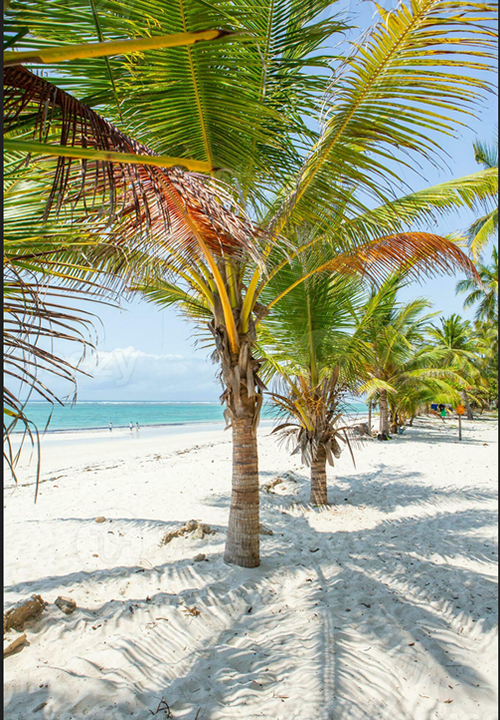
4 Days Into the Wild & History - Dar es Salaam and Bagamoyo
Tanzania is famous for the Serengeti and Kilimanjaro, but hidden in its coastal heartland lies a journey equally rich in wonder — and far less trodden. This 4-day self-drive safari invites you to discover the dynamic energy of Dar es Salaam, East Africa’s largest city, followed by a slow, meaningful drift northward to Bagamoyo, one of the continent’s most historically significant towns.
You won’t need a specialist tour vehicle. A regular saloon car or SUV handles these routes comfortably year-round. What you will need is curiosity — for old mosques and slave trade ruins, for dhow fishermen at dawn, for baobab trees and coral reefs, and for the kind of coastal Swahili cooking that leaves you planning a return trip before you’ve even left.
This guide covers the must-see attractions, the best activities at each stop, and mid-range accommodation options that deliver authentic Tanzania without emptying your wallet.
Arrival in Dar es Salaam — City of History & Hustle
Your safari begins in the heart of Dar es Salaam — a Swahili phrase meaning “Haven of Peace.” Don’t let the name fool you into expecting tranquility; Dar is alive, buzzing, and endlessly fascinating. Settle in, orient yourself, and spend your first full day immersed in the city’s cultural and historical core.
🏛️ National Museum & House of Culture
Tanzania’s premier museum traces the full arc of human evolution and national history under one roof. Home to original fossils of early hominids, ancient artefacts from Zanzibar’s trade era, and exhibits on colonial history. Open daily 9:30 AM – 6:00 PM.
Activities
- Guided fossil & evolution gallery tour
- Swahili cultural artefact viewing
- Photography of colonial-era displays
🌿 Village Museum (Makumbusho)
An open-air living museum showcasing traditional homesteads from over 16 Tanzanian tribes. Guides walk you through each structure explaining customs, building techniques, and tribal life. The weekend cultural dance and acrobatic performances are not to be missed. Open daily 9:00 AM – 6:00 PM.
Activities
- Guided tribal homestead walk
- Traditional dance performances
- Purchasing local crafts from artisans
- Ngoma (drumming) experience
🗿 Askari Monument
Standing at the heart of Samora Avenue in the city centre, this striking bronze statue commemorates the African soldiers (askaris) who fought and died under British command in World War I. A powerful and often overlooked piece of East African history, beautifully maintained in a busy roundabout setting.
Activities
- Historical reflection and photography
- City centre walk from here to the waterfront
- Combine with nearby street food exploration
🏖️ Coco Beach & Msasani Peninsula
Dar’s most beloved public beach, popular with locals especially on weekends. The Msasani Peninsula nearby is home to upscale restaurants, craft markets, and the Slipway shopping centre. A perfect evening spot to watch the sun dip over the Indian Ocean while sipping fresh coconut water.
Activities
- Sunset stroll and beach swimming
- Fresh seafood at beachside restaurants
- Shopping at Slipway craft market
- Dhow watching in the harbour
🕌 Kariakoo Market
Dar’s legendary central market — a sensory overload in the best possible way. Spices, textiles, fresh produce, street food, and Swahili banter fill every lane. This is where the true pulse of the city beats. Go in the morning for peak atmosphere and bring small change.
Activities
- Spice and produce browsing
- Trying local street snacks (vitumbua, mandazi, mishkaki)
- Bargaining for fabrics and kanga cloth
🍽️ Dar es Salaam Waterfront
The Ocean Road waterfront offers dramatic views of the harbour, traditional fishing dhows, and ferries heading to Zanzibar. The Kivukoni Fish Market here is one of the most authentic fish market experiences in East Africa — arrive at dawn for the full spectacle.
Activities
- Kivukoni Fish Market at sunrise
- Harbour boat photography
- Grilled fish lunch at local stalls
The evening belongs to Dar es Salaam’s rooftop bars and Indian Ocean breezes. Find a terrace overlooking the harbour as the muezzin call echoes across the city, fishing boats blink their lights on the darkening water, and the smell of grilled mishkaki drifts up from the street below. This is the Africa the guidebooks never quite capture.
Island Escapes & Coastal Wonder
Dar es Salaam sits on a natural harbour studded with small islands — emerald jewels in the Indian Ocean. Today you leave the city behind and head seaward. The Dar es Salaam Marine Reserve protects some of East Africa’s most accessible coral reef systems, and islands like Sinda and Bongoyo offer pristine snorkelling just 20–30 minutes by boat from the city.
🏝️ Sinda Island
Part of a protected marine reserve, Sinda is blissfully uninhabited and rarely crowded. Crystal-clear water, pristine beach, and outstanding snorkelling over coral reefs teeming with colourful fish, jellyfish, crabs, and sea turtles. Boats depart from the Kigamboni ferry terminal. Food and drinks available on the island.
Activities
- Snorkelling over coral reefs
- Beach camping (overnight possible)
- Swimming in clear Indian Ocean waters
- Hammock hanging in the tree shade
🐠 Bongoyo Island
The most popular day-trip island from Dar es Salaam, accessible by speedboat from the Slipway. A protected marine park with beautiful walking trails through coastal forest, white sand beaches, and excellent snorkelling spots. Fish eagle sightings are common. Boats run daily from 9 AM.
Activities
- Forest nature trail walking
- Snorkelling and reef exploration
- Beach picnic and relaxation
- Birdwatching (fish eagles, kingfishers)
🌊 Kunduchi Beach
A long, uncrowded stretch of beach north of Dar es Salaam, easily reached by self-drive. The area is home to several beach resorts, the Water World waterpark, and ancient ruins of medieval coral buildings — the Kunduchi Ruins — just steps from the sand. A remarkable contrast of fun and history.
Activities
- Swimming and beach relaxation
- Kunduchi Ruins exploration (14th–18th century)
- Water World for families with children
- Sunset dhow cruise
🚣 Kigamboni District & Ferry
Cross Dar es Salaam harbour on the iconic local ferry — a quintessential Dar experience. On the other side lies Kigamboni, a quieter peninsula with less-visited beaches, a growing arts scene, and authentic local seafood restaurants. The short ferry ride itself is a slice of local daily life.
Activities
- Local harbour ferry crossing (15 mins)
- Kigamboni beach walk
- Fresh grilled octopus at local fish restaurants
Floating above a coral garden off Sinda Island, with nothing but the sound of your own breathing and the shimmer of a thousand fish below — moments like these remind you why you travel. The Indian Ocean off Dar es Salaam is warmer and calmer than you expect, and quieter than almost anywhere else you’ve heard about.
The Road to Bagamoyo — Where Africa’s Heartbreak Lives
Pack your bags, start your engine, and head north on the Bagamoyo Road. The drive is roughly 75 kilometres — an easy, scenic coastal corridor passing fishing villages, coconut groves, and occasional glimpses of the Indian Ocean. You’ll arrive in Bagamoyo, Tanzania’s first colonial capital and one of the most significant historical towns in all of Africa.
The name Bagamoyo derives from the Swahili phrase “Bwaga Moyo” — meaning “lay down your heart” or “here my heart rests.” It was the last point on the African mainland where enslaved people paused before being shipped to Zanzibar and onward to the wider world. Today the town wears its history visibly, in crumbling coral buildings, ancient mosques, and ruins that speak louder than any textbook.
🏰 Old Arab Fort (Kambi ya Watumwa)
The most historically potent site in Bagamoyo. This fort, built by the Arab Omani sultanate, served as a holding place for enslaved people before their transport to Zanzibar. Today it contains exhibits on the slave trade with original artefacts, including the coins used to purchase enslaved Africans. A powerful and sobering experience. Open 8 AM – 7 PM.
Activities
- Guided historical tour of the fort
- Slave trade exhibition and artefact viewing
- Photography of coastal stone architecture
🏛️ Old German Boma
Built in the late 19th century as the residence and administrative headquarters of the German colonial government in East Africa, this impressive stone building predates Dar es Salaam’s rise as the capital. The picture on the back of the 1,000 Tanzanian shilling note? This is it. Open daily 8 AM – 6 PM.
Activities
- Colonial architecture tour
- Historical exhibits on German East Africa
- Photography — the iconic “currency building”
⚖️ The Hanging Place (Mti wa Kunyonga)
A chilling remnant of the colonial era — a site where the German rulers publicly executed Africans who resisted colonial rule. Located just beside the Old Fort in the Stone Town area, it is a place for solemn reflection on the weight of African resistance and sacrifice. Open Mon–Fri 9 AM – 5 PM.
Activities
- Historical guided reflection
- Visit alongside the Old Fort for context
🕌 Holy Ghost Mission & Livingstone’s Church
Established in 1868 by French Catholic missionaries, this is one of the oldest churches in mainland Tanzania. Dr. David Livingstone’s body rested here in 1874 before being taken to England. The mission school, hospital, and the original chapel remain largely intact and hauntingly beautiful. A key stop for history lovers.
Activities
- Mission grounds guided walk
- Original chapel photography
- Viewing of Livingstone’s historic connection
🌊 Bagamoyo Beach
A calm, uncrowded stretch of beach right in front of the old Stone Town. The water is warm and gentle. Local fishermen push their traditional ngalawa outrigger canoes out at dusk, creating some of the most beautiful sunset silhouettes in coastal Tanzania. Roasted fish from beach vendors is outstanding.
Activities
- Swimming and relaxation
- Sunset photography of fishing boats
- Roasted fish from local vendors
- Optional ngalawa boat ride
🎨 Bagamoyo Arts Council (TASISI)
Bagamoyo has long been Tanzania’s arts capital. The College of Arts here trained generations of East Africa’s finest musicians, dancers, and visual artists. The Bagamoyo Arts Festival (held annually in October) is one of the continent’s most celebrated cultural events. Year-round, the arts council hosts workshops and performances.
Activities
- Tinga tinga painting workshops
- Traditional music and dance performances
- Art gallery and craft shopping
Standing inside the Old Arab Fort, looking at the chains and the auction records, the reality of what happened on this coastline hits with unexpected force. Bagamoyo is not a comfortable history — but it is one that demands to be witnessed. The town has a way of making you feel time differently; like the centuries are thinner here, barely a doorway away.
Ancient Ruins, Return Journey & Farewell
Your final day begins at one of Tanzania’s most remarkable and undervisited archaeological sites before a relaxed afternoon return to Dar es Salaam. The Kaole Ruins, just 3 kilometres south of Bagamoyo town, are the remnants of a 13th-century Shirazi civilisation — one of the oldest Islamic settlements on mainland East Africa.
🏺Kaole Ruins
Dating from the 13th–15th centuries, these ruins include two mosques and over 40 graves, including the famous Sharifa tomb — a young girl said to have saved the village through sacrifice. A magical, spiritual freshwater well sits feet from the Indian Ocean yet never turns salty, never dries up, and never overflows during floods. Legend says walking clockwise around the ancient baobab adds 10 years to your life. Open daily 9 AM – 5 PM. Entry: TZS 3,500.
Activities
- Guided archaeological site tour
- Ancient mosque and grave exploration
- Freshwater well experience
- Ancient baobab walk (the legend of longevity)
- Mangrove forest shoreline walk
🦜 Mangrove Forest Walk
The coast around Bagamoyo is fringed with dense mangrove forests that shelter an extraordinary diversity of birdlife — kingfishers, herons, egrets, and the rare mangrove kingfisher. A guided walk through the mangroves takes 1–2 hours and can be arranged through your lodge or the Kaole site entry gate.
Activities
- Bird watching (50+ species recorded)
- Photography of the coastal ecosystem
- Nature interpretation with a local guide
🐟 Farewell Lunch at the Bagamoyo Waterfront
Before heading south, treat yourself to a final seafood feast. The Bagamoyo waterfront fish market comes alive in the morning as fishermen return with their catch. By midday, small restaurants and beach vendors are grilling whole fish, calamari, and lobster over open charcoal fires. Pair with fresh coconut milk for the perfect coastal goodbye.
Activities
- Fish market visit
- Grilled seafood lunch
- Final souvenir shopping at craft stalls
The drive back to Dar es Salaam is quieter than the one that brought you here — not because the road has changed, but because you have. Bagamoyo has a way of resetting something inside you. The ancient baobabs pass by your window, and somewhere between the coconut palms and the Indian Ocean breeze, you understand why the Swahili called this place where the heart rests.
Mid-Range Safari Lodges
All options below are selected for comfort, value, authentic character, and convenient location. Budget range: USD $40–$120 per night for double occupancy.
Safari Lodge Kunduchi
Situated in the coastal suburb of Kunduchi, this lodge offers a calm retreat from the city buzz with ocean proximity, spacious rooms, ample parking, and a warm local hospitality. Convenient for Day 2’s island and beach activities. Live band on weekends.
Protea Hotel by Marriott (Budget Rooms)
For your Dar nights, the Protea offers reliable mid-range comfort in a prime Msasani Peninsula location close to Coco Beach, restaurants, and the Slipway boat terminal for island day trips. Book smaller category rooms for good value.
Travellers Lodge Bagamoyo
A beloved institution on Bagamoyo’s Ocean Road with beautiful sea-view bungalows, a lovely garden, and a rooftop terrace perfect for sundowners. Owner Frank is a font of local knowledge. Excellent fresh food, campsite for overland travellers, and a genuinely warm atmosphere. Walk to all historical sites.
California Lodge
Centrally located, clean, and affordable — California Lodge is run by the warm and incredibly helpful Noel, who knows every corner of Bagamoyo and can arrange local guides, transport, and activities. Perfect budget-friendly base with the town’s shops and restaurants on your doorstep.
Saadani Safari Lodge
If you wish to extend your adventure by one day, Saadani Safari Lodge lies 80 km north of Bagamoyo on the edge of Saadani National Park — Tanzania’s only coastal wildlife reserve where you can watch elephants walk on the beach. One of the most unique wildlife experiences in Africa. Rated exceptional by guests.
Before You Drive
A standard saloon car (e.g. Toyota Corolla) handles the Dar–Bagamoyo route year-round. The road is tarmac and well-maintained. Car hire from Dar starts at USD $40–60/day. Fuel stations are plentiful on the Bagamoyo Road.
June–October (dry season) is ideal — clear skies, cool coastal breezes, and no mud. January–March is also pleasant. Avoid April–May (long rains) when coastal roads can be difficult.
Mid-range total trip budget (4 days, 2 people): USD $600–900, including accommodation, fuel, meals, entrance fees, and island boat trips. Bagamoyo is significantly cheaper than Dar for food and lodging.
Google Maps works well between Dar and Bagamoyo. Download offline maps before departure. The Bagamoyo Road (B1/A14) is the main artery — straightforward to follow. Allow 90 minutes drive time.
Take malaria prophylaxis — consult your doctor before travel. Bring sunscreen, reef-safe for snorkelling. Dar is generally safe for tourists; use common sense in busy markets. Bagamoyo is very relaxed and safe to walk.
Carry Tanzanian Shillings (TZS) for local markets, ferry tickets, and village sites. Some lodges accept USD. ATMs are available in Dar; Bagamoyo has fewer options — withdraw cash before you leave the city.
Always ask permission before photographing people. Entry fees at historical sites typically cover photography. Drone use requires Tanzania Civil Aviation Authority permits arranged well in advance.
Swahili is the national language and is widely spoken. English is understood in tourism contexts. Learning a few basics — “Habari?” (How are you?), “Asante” (Thank you), “Karibu” (Welcome/You’re welcome) — goes a very long way.