
The Ultimate Tanzania Self-Drive Guide for First-Timers
Few road trips in Africa deliver the scale and variety of a journey through Tanzania. In a single loop you can watch the Great Migration cross open grassland in the Serengeti, stand on the rim of the Ngorongoro Crater as clouds drift across its floor, and finish with sand between your toes on the Indian Ocean coast. Most visitors see these places on a guided safari, riding in a minibus with a driver who knows every track. Self-driving offers something different: the freedom to stop when a herd of giraffes crosses the road, to linger at a waterhole until the light turns gold, and to set your own pace from one landscape to the next.
This guide is the best place to start if you are new to self-driving in Tanzania. It covers the legal requirements, choosing a vehicle, the road network, park rules, fuel and safety, and how to plan a route that suits a first trip. Rules and fees change, so check current requirements with official park authorities and your rental company before you travel.
Why Drive Yourself
The most compelling reason to self-drive is control over time. Guided safaris typically follow fixed schedules, with early morning game drives, a midday rest, and an afternoon outing. When you drive yourself, you decide when to leave camp and when to head back. You can spend two hours watching a leopard in a fig tree or skip a crowded viewpoint entirely. Many travelers find that this unhurried pace reveals details they would have missed from a moving vehicle, such as the behavior of a dung beetle, the call of a secretary bird, or the way a lion pride shifts its position through the heat of the day.
Self-driving also suits people who enjoy the journey as much as the destination. The drive between Arusha and the Serengeti passes farmland, Maasai villages, and the volcanic highlands. The road from the Serengeti to the crater rim crosses a landscape of grass, acacia, and sudden views of the Great Rift Valley. For those who like planning, navigating, and making decisions on the road, the trip becomes an adventure in itself.
Legal Requirements and Documents
Foreign visitors can drive in Tanzania with a valid driver’s license issued in their home country, provided it is in English or accompanied by an official translation. An International Driving Permit is strongly recommended, since it provides a standardized translation that police and rental agents recognize. Carry your passport, your license, your permit, the vehicle rental agreement, and the vehicle’s registration and insurance papers at all times. Police checkpoints are common on major roads, and officers may ask to see these documents. Keeping photocopies or photos of them on your phone is a sensible backup.
Tanzania drives on the left side of the road, and this is the single biggest adjustment for travelers from North America, continental Europe, and many other regions. Take time to rehearse it in a quiet area before joining traffic. Most overtaking happens on the right, and roundabouts are typically taken clockwise. The first hour on the road is often the most tiring, so consider an easy first day with a short distance.
Choosing a Vehicle
For most Tanzanian routes, a four-wheel-drive vehicle with good ground clearance is the practical choice. Many park roads are gravel or dirt, and rain can turn sections muddy within hours. A Toyota Land Cruiser or Land Cruiser Prado is the classic option, with a Toyota RAV4 or similar 4×4 suitable for lighter itineraries on mostly paved roads. Look for a vehicle with a pop-up roof if you want to stand and view wildlife from above, and confirm whether the roof hatch is allowed in the parks you plan to visit.
When renting, inspect the tires, including the spare, and confirm that the jack, wheel spanner, and basic tools are present. Ask about the insurance excess, what it covers, and whether damage to the undercarriage is included, since rough tracks cause more wear than most city driving. Request a copy of the rental contract in writing, and make sure a 24-hour contact number is provided. A reputable company will walk you through the vehicle, explain the GPS or tracker system if one is fitted, and show you how to operate the four-wheel-drive setting.
Consider whether to hire a driver-guide for part of the trip. Many self-drive travelers hire one for the Ngorongoro Crater, where rules require a licensed guide to accompany visitors on the descent into the crater floor. Some also hire a guide for the Serengeti, where a knowledgeable local can spot animals that inexperienced eyes will miss.
The Northern Circuit
The most popular self-drive route is the Northern Circuit, which links Arusha, Lake Manyara, Tarangire, Ngorongoro, and the Serengeti. Lake Manyara National Park is compact and famous for its tree-climbing lions and its flamingo-fringed soda lake, making it a good first stop. Tarangire is known for its enormous elephant herds and baobab trees, particularly in the dry season when animals gather around the Tarangire River.
The Ngorongoro Conservation Area is one of the most dramatic landscapes in Africa. Its crater is a vast caldera with a dense population of lions, hyenas, buffalo, zebra, and the rare black rhino. Because descent into the crater requires a licensed guide, most self-drivers book the crater visit with a driver-guide and spend the rest of their time driving the rim roads and the highlands. The views from the crater rim at dawn are among the most memorable of any African trip.
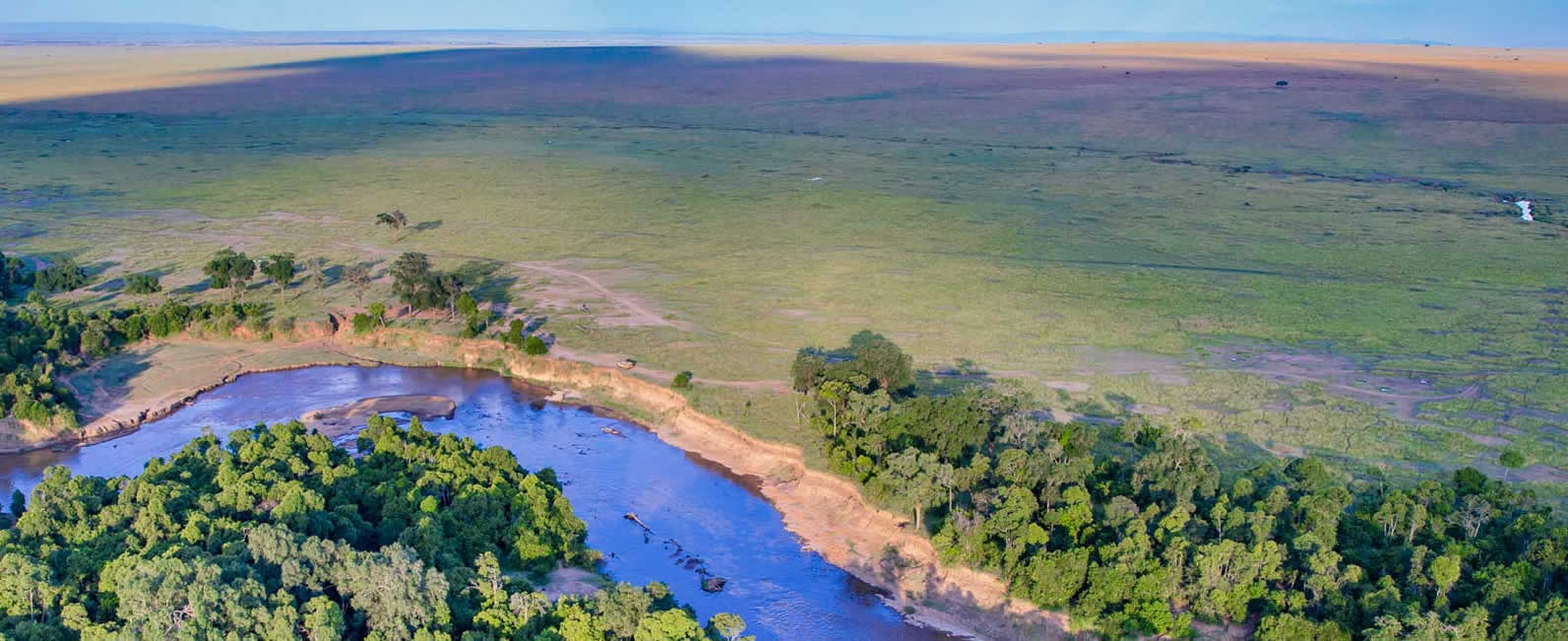
The Serengeti National Park is the centerpiece of the journey. Its open plains stretch across roughly 14,000 square kilometers, and the Great Migration of wildebeest and zebra follows seasonal rains and grazing across the ecosystem. The southern plains around Ndutu and the central Seronera area are excellent for year-round wildlife viewing, while the northern Serengeti and the Grumeti River region are known for dramatic river crossings during the migration season. Because distances inside the park are large, plan carefully. A day spent driving between gates, lodges, and hotspots can easily cover over two hundred kilometers.
The Indian Ocean Coast
For travelers who want a contrast after the savannah, Tanzania’s coastline offers white sand, coral reefs, and a rich Swahili culture. Dar es Salaam is the main gateway, though its traffic is heavy and it is often better to pick up a vehicle there only if you plan to drive out immediately. The coastal road north toward Bagamoyo is a historic route, and the town itself has old stone buildings and a former slave trading history that many visitors find thought-provoking.
Further south and inland, Mikumi National Park is a shorter drive from Dar es Salaam and offers good game viewing on the flat grasslands, with the Uluguru Mountains as a backdrop. Saadani National Park is unusual because it is one of the few places where wildlife meets the sea, and it can be reached by road or boat from the coast.
Many travelers combine a mainland trip with a ferry to Zanzibar. Ferries run from Dar es Salaam to Zanzibar City, and most car rental arrangements for the islands are separate from mainland hire. Confirm ferry schedules and vehicle transport rules before you plan around them.
Road Conditions and Driving Tips
Tanzania’s main paved roads are generally in reasonable condition, but secondary roads and park tracks can be rough, with potholes, corrugations, and sudden washouts after rain. Drive at a speed that suits the surface. Speed limits are typically lower in towns and villages, and pedestrians, cyclists, and livestock are common on the road. Avoid driving after dark wherever possible. Animals are hard to see at night, and many park gates close at dusk, often around 6:30 p.m., so plan to reach your lodge well before then.
Fuel stations are concentrated in towns, and they can be scarce in remote areas, especially in the Serengeti and along the Northern Circuit. Fill your tank whenever you pass a station and carry a spare fuel container if your itinerary is long. Keep an eye on the gauge and do not assume you will find fuel at the next village.
Weather affects every part of the journey. The long rains typically fall from March to May, and the short rains from November to December. During heavy rain, some park tracks become impassable, and roads can be slippery. The dry season, roughly June to October, offers the most reliable driving conditions and the best wildlife viewing around waterholes.
Mobile phone coverage is good in towns and along main roads but patchy in the parks. Download offline maps before you leave, and tell someone at your lodge or rental company your planned route. Carry water, snacks, a first aid kit, a flashlight, and a charged power bank.
Wildlife Etiquette
Keep your vehicle on designated roads and do not drive off track to approach animals. Stay inside the vehicle unless you are in a designated area where walking is permitted, and never leave the car near a predator. Keep noise low, avoid blocking roads for other drivers, and give animals space. If a lion or leopard is resting near the road, observe quietly and move on rather than crowding the sighting. These habits protect the animals and make the experience more rewarding for everyone.
Planning Your First Trip
A realistic first self-drive trip might cover seven to ten days. A sample itinerary could begin in Arusha with a rest day, move through Tarangire and Lake Manyara, spend two nights on the crater rim with a guided crater visit, and then continue to two or three nights in the Serengeti. Build in buffer days, since the journey is slower than the map suggests and unexpected wildlife sightings are part of the appeal.
Book park accommodation early, particularly during peak season in the Serengeti, and check whether your lodges are inside the park or in nearby communities. Budget for park entry fees, camping or lodging, fuel, vehicle hire, insurance, and any guide fees. Carry Tanzanian shillings in cash for small purchases and tips, and check which cards and mobile payment options are accepted in the places you plan to visit.
Final Thoughts
Driving yourself through Tanzania is demanding, but it rewards patience and preparation with an intimacy that a guided tour rarely matches. The Serengeti’s open horizons, the Ngorongoro Crater’s ancient bowl of wildlife, and the Indian Ocean’s warm shoreline together make one of the most varied road trips on the continent. Start with a clear route, a reliable four-wheel-drive vehicle, and a respectful approach to the land and its animals, and you will be ready for an adventure that stays with you long after the dust has settled.
