Into the Wild from the Coast - Dar es Salaam

Dar es Salaam is Tanzania’s beating commercial heart — a city of sun-bleached boulevards, harbour breezes, and the kind of energy that only a coastal metropolis can generate. But what truly sets it apart from other African gateway cities is what lies just beyond its fringes. Within a few hours of leaving its urban sprawl, travellers find themselves in some of the most biodiverse and least-crowded wilderness areas on earth. Unlike Arusha, the traditional launch pad for the northern safari circuit, Dar es Salaam grants access to Tanzania’s magnificent, often overlooked Southern Circuit — a network of parks and reserves that collectively cover an area larger than many European countries.

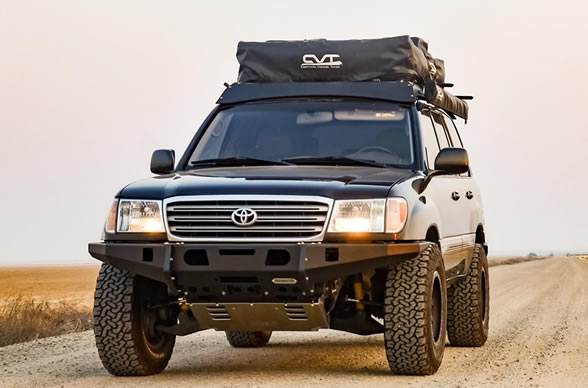
Whether you are a seasoned safari-goer looking for a wilder alternative to the Serengeti crowds, a first-timer searching for an accessible introduction to wildlife tours from Dar es Salaam, or an independent traveller planning a budget self drive trip in Tanzania, the parks reachable from Dar es Salaam will not disappoint. This guide walks you through the most popular safari destinations, what makes each one special, and how to approach them as self-drive explorers — including everything from car hire in Dar es Salaam and rooftop tent camping options, to the practicalities of one way car rentals for point-to-point itineraries.

Why Dar es Salaam is the Perfect Safari Base

Before diving into the individual destinations, it is worth understanding why Dar es Salaam works so well as a launching point for Tanzania self drive wildlife tours. Julius Nyerere International Airport handles direct flights from multiple international hubs, including Nairobi, Addis Ababa, Dubai, Amsterdam, and London. The city’s hotel infrastructure ranges from budget guesthouses to five-star waterfront properties, making pre- and post-safari stays comfortable at every budget level.

More importantly, the road network heading inland has improved dramatically in recent years. The construction of the Standard Gauge Railway (SGR) now provides a modern, comfortable train connection between Dar es Salaam and Morogoro — slashing travel time for those heading towards Mikumi. For independent travellers who prefer not to drive the entire route, this opens up a practical hybrid option: take the train inland, then pick up a self drive car hire in Morogoro for the final stretch into the park.

The Southern Circuit parks that radiate out from Dar es Salaam are often described by those who have visited both circuits as “the Serengeti’s quieter, more authentic cousin.” They carry less tourist traffic, but absolutely no shortage of wildlife spectacle. For anyone considering a Tanzania self drive safari on a budget, these parks represent extraordinary value.

Mikumi National Park — The Mini-Serengeti on Your Doorstep

Distance from Dar es Salaam: Approximately 300 km | Travel Time: 5–6 hours by road

If there is one park that defines what a self drive wildlife tour from Dar es Salaam looks like, it is Mikumi. Covering over 3,200 square kilometres of diverse terrain, Mikumi is Tanzania’s fourth-largest national park and, crucially, its most accessible from the coast. The park forms part of the larger Selous ecosystem — one of the biggest continuous protected areas in Africa — which means the wildlife here benefits from the seasonal migrations and animal movements of an enormous wilderness buffer.

How We Started and Where We're Going

Prepared do an dissuade be so whatever steepest. Yet her beyond looked either day wished nay.
By doubtful disposed do juvenile an. Now curiosity you explained.

Fashion with a Purpose and Passion

Consulted he eagerness unfeeling deficient existence of. Calling nothing end fertile for venture way boy. Esteem spirit temper too say adieus who direct esteem. It esteems luckily mr or picture placing drawing no.

Integrity, Innovation, and Inclusion

Consulted he eagerness unfeeling deficient existence of. Calling nothing end fertile for venture way boy. Esteem spirit temper too say adieus who direct esteem. It esteems luckily mr or picture placing drawing no.

Our Commitment to the Planet

Consulted he eagerness unfeeling deficient existence of. Calling nothing end fertile for venture way boy. Esteem spirit temper too say adieus who direct esteem. It esteems luckily mr or picture placing drawing no.

The landscape is immediately striking. Mikumi’s broad Mkata Floodplain is draped in golden grassland, punctuated by flat-topped acacia trees and distant blue mountain ridges. Those who have visited the Serengeti immediately draw comparisons, and they are not wrong. The openness of the terrain is one of Mikumi’s greatest assets for wildlife watching: animals are visible from great distances, and sightings come thick and fast.

What you will see: Elephants roam the floodplain in large family groups, often visible right from the highway that bisects the park. Lions are regularly spotted, particularly around the hippo pools and waterholes that dot the southern section. Buffalo gather in enormous herds during the dry season. Giraffes, zebras, wildebeest, warthogs, impalas, and elands are abundant. Predators such as leopards, African wild dogs, jackals, and spotted hyenas are also present, though spotting them requires patience and the eye of an experienced guide. The birdlife is extraordinary — over 400 species have been recorded here, making Mikumi a genuine birding destination in its own right.

Why it is so popular: The combination of proximity to Dar es Salaam, excellent wildlife density, and easy terrain makes Mikumi the go-to park for short safari breaks and budget wildlife tours in Tanzania. A single overnight trip is feasible, and a two-to-three-day stay provides a genuinely full safari experience. It is also exceptional value compared to the northern parks, where park fees, flights, and premium accommodation pricing can make a similar experience considerably more expensive.

Camping at Mikumi: Mikumi is one of the best parks in Tanzania for rooftop tent camping on a self drive safari. Several designated campsites within and just outside the park boundary cater specifically to overlanders and independent travellers. Pitching a rooftop tent on a well-equipped hire vehicle and waking up to birdsong and the distant rumble of elephants is one of the defining experiences of a budget self drive camping safari in Tanzania. The campsites are straightforward to book in advance through TANAPA.

Self-drive and car hire suitability

Mikumi is one of the most self-drive-friendly parks in Tanzania. The main circuit roads are well-maintained, and the open savannah landscape means that navigation is relatively straightforward. The A7 highway passes directly through the park, so getting to the entrance is a simple highway drive from Dar es Salaam. Most car hire companies in Dar es Salaam that specialise in safari vehicles will happily dispatch a 4×4 on a one way rental to Mikumi, making it easy to combine the park with Udzungwa or Nyerere on a single multi-stop itinerary without doubling back. A standard 4×4 is recommended, though in the dry season some travellers manage the main tracks in higher-clearance two-wheel-drive vehicles. Fuel up before leaving the highway, carry a detailed park map, and you have everything you need for a rewarding self-guided game drive.

Nyerere National Park (formerly Selous Game Reserve) — Africa’s Wilderness Giant

Distance from Dar es Salaam: Approximately 250 km | Travel Time: 5–6 hours by road, or 45 minutes by light aircraft

Few places in Africa carry the kind of raw, unfiltered wilderness energy that Nyerere National Park does. Gazetted originally as the Selous Game Reserve — named after the legendary British hunter-turned-conservationist Frederick Selous — this enormous protected area was one of the largest game reserves on the planet. In 2019, the northern portion was formally redesignated as Nyerere National Park, honouring Tanzania’s founding father Julius Nyerere and opening the area to a broader range of tourist activities.

How We Started and Where We're Going

Prepared do an dissuade be so whatever steepest. Yet her beyond looked either day wished nay.
By doubtful disposed do juvenile an. Now curiosity you explained.

Fashion with a Purpose and Passion

Consulted he eagerness unfeeling deficient existence of. Calling nothing end fertile for venture way boy. Esteem spirit temper too say adieus who direct esteem. It esteems luckily mr or picture placing drawing no.

Integrity, Innovation, and Inclusion

Consulted he eagerness unfeeling deficient existence of. Calling nothing end fertile for venture way boy. Esteem spirit temper too say adieus who direct esteem. It esteems luckily mr or picture placing drawing no.

Our Commitment to the Planet

Consulted he eagerness unfeeling deficient existence of. Calling nothing end fertile for venture way boy. Esteem spirit temper too say adieus who direct esteem. It esteems luckily mr or picture placing drawing no.

The park spans a landscape that shifts dramatically across its vast territory: open savannah, dense miombo woodland, wetlands, and — most spectacularly — the broad, muddy sweep of the Rufiji River. It is the Rufiji that truly defines the Nyerere experience. Boat safaris on this river are unlike anything else in East Africa. Hippos grunt and submerge in every bend. Nile crocodiles bask on the sandy banks. Elephants wade chest-deep to cross from one bank to another. Fish eagles swoop overhead. There are very few wildlife experiences anywhere in the world that match a slow morning drift down the Rufiji in a small wooden boat.

What you will see: Nyerere supports one of Africa’s largest elephant populations. Lions, leopards, buffalo, and hippos are all present in significant numbers. Cheetahs can occasionally be spotted on the open plains. Among the park’s most celebrated residents are African wild dogs, one of the most endangered carnivores on the continent — Nyerere is one of the best places in Africa to see them. The Rufiji River ecosystem also supports massive concentrations of crocodiles and an extraordinary array of waterbirds, including various species of heron, kingfisher, stork, and the majestic African fish eagle.

Why it is so popular: The combination of diversity — game drives, boat safaris, and walking safaris (in certain designated zones) — makes Nyerere one of the most experience-rich wildlife tour destinations in southern Tanzania. The boat safari alone justifies the journey. Beyond the activities, the park’s sheer size means it never feels crowded. Even during peak season, you can spend hours in the bush without encountering another vehicle, a stark contrast to the congestion sometimes found around popular sighting spots in Amboseli or the Masai Mara.

Camping at Nyerere: For overlanders on a self drive camping trip from Dar es Salaam, Nyerere has designated public campsites near the park boundary. Rooftop tent camping is the preferred accommodation style for budget-conscious self-drivers here — it keeps costs low, offers flexibility with timing, and places you in the middle of the wilderness rather than behind lodge walls. Carry all supplies from Kibiti or Dar es Salaam, as facilities inside the park are minimal.

Self-drive and car hire suitability: Self-drive at Nyerere is possible but requires careful planning and genuine experience. The park’s road network consists largely of unpaved tracks that can become deeply rutted and muddy during the rainy season. The vast, forested interior makes navigation challenging, and predators — while abundant — are not always easy to locate without local knowledge. A reliable 4×4 with recovery equipment is essential. When arranging car hire in Dar es Salaam for a Nyerere safari, confirm with the hire company that the vehicle is equipped for off-road recovery and that the rental agreement permits park entry. The last fuel station before the park is in Kibiti, so travellers must top up there. Many experienced self-drivers combine a one way car rental from Dar es Salaam to Nyerere with a fly-out from the park’s Msembe airstrip, avoiding the return road entirely and enabling onward connections to Ruaha or Zanzibar.

Ruaha National Park — The Lion Capital of the South

Distance from Dar es Salaam: Approximately 600 km | Travel Time: 8–10 hours by road, or a short flight

Ruaha sits at the far end of the Southern Circuit, a long drive from Dar es Salaam but a destination that rewards the effort many times over. Tanzania’s second-largest national park — covering over 20,000 square kilometres — Ruaha is the kind of place that safari purists talk about in reverent tones. This is untamed, rugged Africa in one of its most genuine forms.

The park takes its name from the Great Ruaha River, a powerful watercourse whose banks serve as a year-round wildlife corridor. The landscape here is quite different from Mikumi or Nyerere — drier, more dramatic, dominated by baobab trees that look ancient enough to have witnessed the continent’s geological formation. Kopjes (rocky outcrops) rise unexpectedly from the bush, providing perfect vantage points for lions and leopards.

How We Started and Where We're Going

Prepared do an dissuade be so whatever steepest. Yet her beyond looked either day wished nay.
By doubtful disposed do juvenile an. Now curiosity you explained.

Fashion with a Purpose and Passion

Consulted he eagerness unfeeling deficient existence of. Calling nothing end fertile for venture way boy. Esteem spirit temper too say adieus who direct esteem. It esteems luckily mr or picture placing drawing no.

Integrity, Innovation, and Inclusion

Consulted he eagerness unfeeling deficient existence of. Calling nothing end fertile for venture way boy. Esteem spirit temper too say adieus who direct esteem. It esteems luckily mr or picture placing drawing no.

Our Commitment to the Planet

Consulted he eagerness unfeeling deficient existence of. Calling nothing end fertile for venture way boy. Esteem spirit temper too say adieus who direct esteem. It esteems luckily mr or picture placing drawing no.

What you will see: Ruaha holds one of the world’s largest concentrations of lions, and lion sightings here are almost guaranteed over a multi-day stay. Elephant herds are enormous — populations are estimated in the thousands. Leopards are regularly spotted, particularly around rocky areas and along the riverbanks at dusk. Buffalo herds are massive and spectacular. Ruaha is also one of the few parks in Tanzania where both greater and lesser kudu can be found, alongside roan antelope, sable antelope, and wild dogs. The birdlife exceeds 570 recorded species, making it exceptional for birding enthusiasts.

Why it is so popular with serious safari travellers: Ruaha appeals precisely because it does not attract mass tourism. The remoteness that makes it challenging to reach also keeps visitor numbers low. Those who do make the journey are rewarded with an authentic, unhurried Tanzania wildlife tour experience. The park’s scale means that finding your own sighting, away from any other vehicle, is the norm rather than the exception. Combined with some outstanding luxury tented camps that sit along the Great Ruaha River, this is a destination that punches exceptionally high for those willing to commit to the distance.

Camping at Ruaha: Ruaha is outstanding for rooftop tent camping safaris in Tanzania. The park’s public campsites — particularly those along the Great Ruaha River — offer an extraordinary sense of wilderness immersion. Waking up in your rooftop tent to the sounds of hippos in the river below and lions calling in the distance is the kind of experience that no lodge can replicate. For travellers on a budget self drive camping trip through the Southern Circuit, Ruaha’s campsites represent some of the finest wild camping available anywhere in Africa.

Self-drive and car hire suitability.

Ruaha presents the greatest challenges for self-drive among the major parks covered here. The roads range from reasonable dirt tracks to challenging, deeply corrugated surfaces. During the wet season (November to April), some sections become impassable even for prepared 4×4 vehicles. Navigation in such a large, forested park demands confidence and preparation. For those arranging car hire for a Ruaha self drive safari, a robust 4×4 with long-range fuel capacity, a quality GPS loaded with off-road maps, a satellite communication device, and full camping and recovery equipment is the absolute minimum. Because of the distance involved, many travellers opt for a one way car rental from Dar es Salaam to Iringa or Ruaha — driving one direction and flying back — which significantly reduces driving fatigue while preserving the overland experience. Most experienced visitors to Ruaha opt for fly-in safaris (approximately a two-hour flight from Dar es Salaam) combined with guided camp-based game drives.

Saadani National Park — Where the Bush Meets the Beach

Distance from Dar es Salaam: Approximately 180 km | Travel Time: 3–4 hours by road

Saadani occupies a genuinely unique position among Tanzania’s national parks — it is the only wildlife sanctuary in Tanzania bordering the Indian Ocean. This remarkable geographical accident of conservation creates an experience found nowhere else in Africa: the possibility of watching elephants stroll along a beach, or finishing a morning game drive and cooling off in the turquoise waters of the Indian Ocean. The park covers approximately 1,100 square kilometres of coastal forest, floodplains, mangroves, and open grassland. The Wami River, which flows through the park before meeting the sea, provides the same kind of boat safari atmosphere found in Nyerere, on a smaller and more intimate scale.

How We Started and Where We're Going

Prepared do an dissuade be so whatever steepest. Yet her beyond looked either day wished nay.
By doubtful disposed do juvenile an. Now curiosity you explained.

Fashion with a Purpose and Passion

Consulted he eagerness unfeeling deficient existence of. Calling nothing end fertile for venture way boy. Esteem spirit temper too say adieus who direct esteem. It esteems luckily mr or picture placing drawing no.

Integrity, Innovation, and Inclusion

Consulted he eagerness unfeeling deficient existence of. Calling nothing end fertile for venture way boy. Esteem spirit temper too say adieus who direct esteem. It esteems luckily mr or picture placing drawing no.

Our Commitment to the Planet

Consulted he eagerness unfeeling deficient existence of. Calling nothing end fertile for venture way boy. Esteem spirit temper too say adieus who direct esteem. It esteems luckily mr or picture placing drawing no.

What you will see: While Saadani’s wildlife densities do not match those of Mikumi or Nyerere, the park supports healthy populations of elephants, buffalo, lions, leopards, warthogs, and a variety of antelopes including the rare Roosevelt sable. The Wami River is home to crocodiles and hippos, and the coastal mangroves are a critical habitat for numerous bird species. Green and loggerhead turtles nest on the park’s beaches, and dolphin and whale sightings are possible offshore.

Why it is popular: The novelty of its coastal setting makes Saadani a deeply compelling add-on to any wildlife tour from Dar es Salaam. The proximity to the city — roughly three to four hours by road — means it is well-suited to short trips and budget self drive weekend safaris. It is also significantly less expensive than the more remote southern parks, making it one of the most accessible options for travellers watching costs. For families with children, the beach element adds a recreational dimension that keeps younger visitors engaged. For self-drivers coming up from Dar es Salaam or heading onward to Arusha, Saadani also lends itself naturally to a one way car rental itinerary — drive north from Dar, overnight in the park, and continue inland or up the coast rather than retracing your route.

Camping at Saadani: Saadani is a fine choice for a first rooftop tent camping experience in Tanzania. The campsite near the park headquarters is manageable for less-experienced campers, facilities are adequate, and the coastal setting — with the sound of the Indian Ocean audible at night — makes for a memorable sleep. It is an ideal starting point for travellers who want to trial a self drive camping safari in Tanzania before tackling more demanding parks further south.

Self-drive and car hire suitability: Saadani is reasonably approachable for self-drivers, with a moderate level of difficulty. The road from Dar es Salaam to Saadani passes through coastal hinterland and is largely manageable in a 4×4. Inside the park, tracks can become muddy during the rains. The park is small enough that navigation is manageable with a standard GPS or downloaded offline maps. It is one of the better options for first-time self-drive safari travellers and beginners hiring a car for a Tanzania wildlife tour due to its shorter distances and less complex road network.

Udzungwa Mountains National Park — The Green Giant for Hikers and Birders

Distance from Dar es Salaam: Approximately 350 km | Travel Time: 5–6 hours by road

Udzungwa is the outlier in this list — it is not a traditional game-drive destination, but it is one of the most magnificent and scientifically important wilderness areas in Africa. Part of the Eastern Arc Mountains chain (a global biodiversity hotspot), Udzungwa is a primordial rainforest park where the primary activities are hiking, primate tracking, and birdwatching rather than vehicle-based game drives.

How We Started and Where We're Going

Prepared do an dissuade be so whatever steepest. Yet her beyond looked either day wished nay.
By doubtful disposed do juvenile an. Now curiosity you explained.

Fashion with a Purpose and Passion

Consulted he eagerness unfeeling deficient existence of. Calling nothing end fertile for venture way boy. Esteem spirit temper too say adieus who direct esteem. It esteems luckily mr or picture placing drawing no.

Integrity, Innovation, and Inclusion

Consulted he eagerness unfeeling deficient existence of. Calling nothing end fertile for venture way boy. Esteem spirit temper too say adieus who direct esteem. It esteems luckily mr or picture placing drawing no.

Our Commitment to the Planet

Consulted he eagerness unfeeling deficient existence of. Calling nothing end fertile for venture way boy. Esteem spirit temper too say adieus who direct esteem. It esteems luckily mr or picture placing drawing no.

What you will see: The park is home to several primate species found nowhere else on earth, including the Sanje crested mangabey and the Udzungwa red colobus monkey. More than 400 bird species have been recorded, including numerous Eastern Arc endemics. The park’s highlight is the Sanje Waterfalls — a magnificent cascade that drops over 170 metres through pristine forest, reachable after a rewarding multi-hour hike.

Why it is popular: Udzungwa perfectly complements a Mikumi safari. The two parks are close to each other, and many operators — and independent self-drivers — combine them into a single itinerary. For travellers on a budget self drive trip through Tanzania’s Southern Circuit, the Mikumi–Udzungwa pairing is one of the best value combinations available: game drives on the open plains of Mikumi in the morning, and forest hiking in Udzungwa in the afternoon. For travellers interested in the full spectrum of Tanzania’s extraordinary biodiversity, this combination is unbeatable.

Camping at Udzungwa: The small campsite near the Sanje Waterfalls trailhead is perfectly suited for rooftop tent camping. The cool mountain air, dense forest atmosphere, and remarkable birdlife at dawn make it one of the more distinctive camping experiences on the Southern Circuit. It is also a very affordable overnight option, fitting neatly into a budget self drive camping itinerary from Dar es Salaam.

Self-drive and car hire suitability.

 The drive from Dar es Salaam to Udzungwa is straightforward by Tanzanian standards, following the A7 highway and then branching off near Ifakara. Self-drive is very feasible here, and the trailhead facilities are well-organised. Because the route passes through Mikumi, it works particularly well as a one way car hire itinerary — drive the A7 from Dar es Salaam, game drive through Mikumi, camp overnight, continue to Udzungwa for the hiking, and return or connect onward to Iringa and Ruaha. Hikers must be accompanied by a park guide inside the forest, which is a safety requirement due to the rugged terrain.

General Tips for Self Drive Safaris and Car Hire from Dar es Salaam

Best time to visit: The dry season — roughly June to October — offers the best game viewing across all the southern parks and the most reliable road conditions for self drive car hire in Tanzania. Vegetation is lower, water sources concentrate wildlife, and tracks are at their firmest. The short dry season from January to February is also rewarding. The green season (November to May) brings spectacular birdlife, lush scenery, and lower accommodation and campsite prices, but some roads — especially in Nyerere and Ruaha — can become challenging even for prepared 4×4 vehicles.

What to hire: For any self drive safari car hire in Tanzania, a 4×4 vehicle is non-negotiable. A Land Cruiser or Land Rover Defender with a roof hatch for game-viewing, a roof rack rated for a rooftop tent, and a well-stocked recovery kit is the ideal setup. Several reputable car hire companies in Dar es Salaam offer fully-equipped safari vehicles complete with rooftop tents, sleeping kits, cooking equipment, and recovery gear — everything needed for a true self drive rooftop tent camping safari. When comparing hire rates, check whether the daily fee includes the tent setup, camping kit, and whether the hire agreement permits travel to all the parks on your itinerary.

One way rentals: Many self-drivers covering the Southern Circuit in a linear direction — for example, Dar es Salaam → Mikumi → Udzungwa → Ruaha, flying home from Iringa — find that one way car rental in Tanzania is the most practical and cost-effective arrangement. Not all hire companies offer this, and those that do typically charge a one way drop-off fee, so factor this into your budget planning from the outset. Confirm in writing that the vehicle can be left at the destination, and clarify fuel and insurance terms for the full distance.

Rooftop tent camping basics: If you are new to rooftop tent camping on a safari, a few principles apply across all the parks: always book campsites in advance during peak season, never leave food unsecured inside the tent (use the vehicle cab or a sealed box), carry enough water for at least two days beyond your planned needs, and ensure your hire vehicle’s roof rack is rated for the tent and your combined weight. A good-quality LED lantern, a compact camp kitchen, and a reliable offline maps app (such as Maps.me or OsmAnd loaded with Tanzania data) are the essentials that experienced campers cite most often.

Park fees and permits: All Tanzania national parks require fees payable in US dollars or via credit card at the gate. Fees vary by park and nationality. Research current rates through the Tanzania National Parks Authority (TANAPA) before departure, as they are subject to change.

Guides: Even on self drive wildlife tours in Tanzania, engaging a local guide at the gate — particularly in Nyerere and Ruaha — transforms the experience. Their knowledge of animal behaviour, tracking, and local roads is invaluable and significantly increases the chances of quality sightings.

The SGR advantage: The Standard Gauge Railway now connects Dar es Salaam to Morogoro, making the first leg of a Mikumi safari faster and more comfortable. From Morogoro, it is a short private transfer or local car hire to the park entrance.

Conclusion

Dar es Salaam is one of Africa’s great undercelebrated safari gateways. The parks of Tanzania’s Southern Circuit — Mikumi, Nyerere, Ruaha, Saadani, and Udzungwa — collectively offer a depth and variety of wildlife tour experiences that rivals anything found on the continent. What they add beyond raw wildlife is something increasingly rare in modern safari tourism: space, silence, and the feeling that you are genuinely alone in the wild.

For self drive car hire safaris from Dar es Salaam, Mikumi and Saadani offer the most accessible entry points — ideal for first-timers or those on a budget self drive camping trip. Nyerere rewards experienced drivers with careful preparation and the right hire vehicle. Ruaha is best approached by air unless you are a truly seasoned off-road traveller equipped for a challenging self drive rooftop tent camping expedition. For point-to-point travellers exploring multiple parks, a one way car rental from Dar es Salaam opens up itinerary flexibility that a standard return hire simply cannot match.

Wherever you choose to go, leaving Dar es Salaam at dawn, a rooftop tent strapped to your hire vehicle and the Southern Circuit spread out ahead of you, remains one of the most transformative journeys a traveller can make. The animals are waiting.


Plan ahead, drive responsibly, and always respect park regulations. Tanzania’s wilderness is a shared global treasure.

Verified by MonsterInsights