Kitulo National Park – 4×4 Self-Drive Safaris in Tanzania
Discover Kitulo National Park’s wildflowers and rare birds on a self-drive 4×4 safari. Routes from Dar es Salaam, Land Cruiser hire from $130/day, camping from $5. Kitulo National Park stands as one of Tanzania’s most remarkable conservation treasures, renowned for its expansive montane grasslands and lush, thriving forests. Nestled within the elevated Kitulo Plateau in the southern highlands of Tanzania, near the lively town of Mbeya, this park is a sanctuary for an extraordinary array of rare and endemic species.
Among the fascinating wildlife you can find here are chimpanzees, the delicate blue swallows, the elusive red chalk hawks, and the charming kipengere seed-eaters. The diverse habitats also support mountain swamp widows, zebras, playful monkeys, an assortment of chameleons and lizards, various frogs, intricate spiders, and numerous small insect species that create a vibrant ecological tapestry.
Where Kitulo National Park Lies and Why It Matters for Road Trip Travelers
Kitulo National Park sits at an elevation of roughly 2,600 metres (8,500 feet), wedged between the rugged peaks of the Kipengere, Poroto, and Livingstone Mountains. Spanning approximately 412.9 square kilometers (159 square miles), the park straddles the Mbeya and Njombe regions of southern Tanzania and is managed by the Tanzania National Parks Authority (TANAPA). It was officially gazetted as a national park in 2005, making it one of the newer additions to Tanzania’s protected area network, yet its botanical importance places it in a category entirely of its own among Africa’s parks.
For anyone planning self-drive safaris in Tanzania, Kitulo’s remote highland location is part of its charm — but it also means that road conditions, vehicle choice, and route planning matter far more here than they would on a tarmac-heavy northern circuit safari. This is a destination built for travelers who genuinely enjoy self-drive tours in Tanzania, rather than those looking for an easy day trip.
Driving Routes from Dar es Salaam to Kitulo National Park
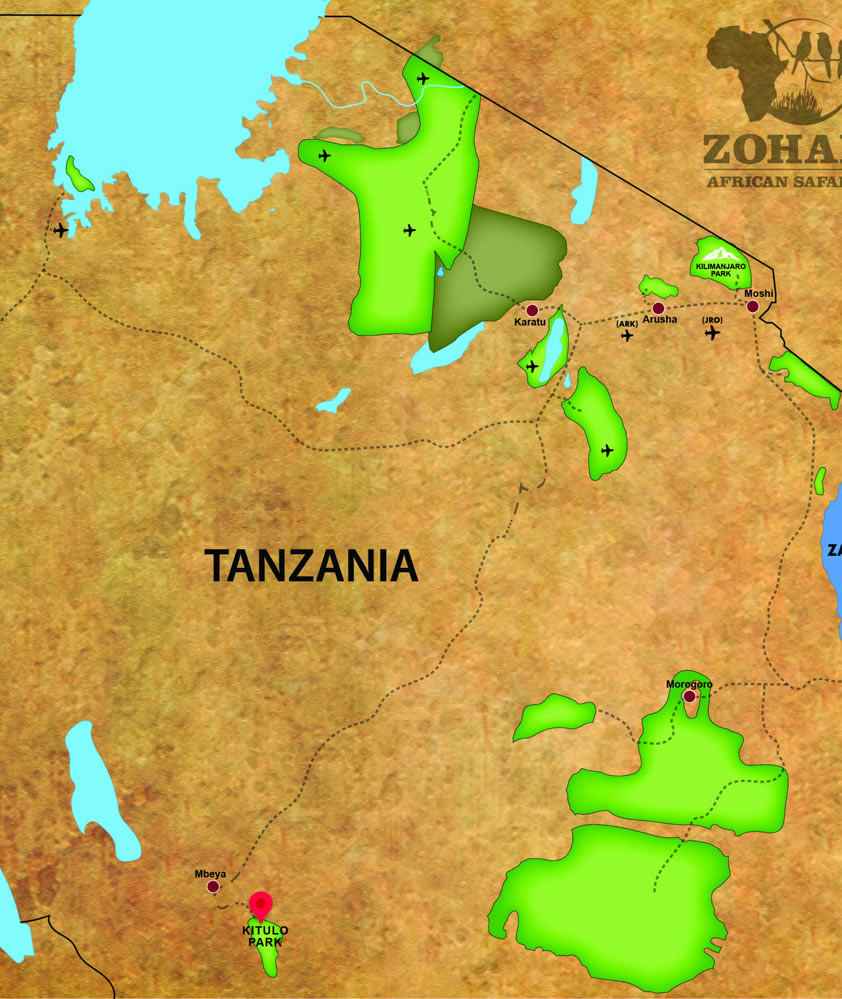
If you’re organizing a self-drive car hire safari from Dar es Salaam, Kitulo National Park is reached via one of Tanzania’s most scenic long-distance drives. The standard route takes you south from Dar es Salaam along the surfaced A104 highway, passing through Morogoro, then climbing into the cooler highland air around Iringa, before continuing on toward Mbeya town. This stretch alone offers travelers a genuine cross-section of Tanzania’s landscapes — from the humid coastal plains around Dar es Salaam, through the rolling hills of Morogoro and Iringa, and finally into the cooler, mountainous terrain that defines the southern highlands.
From Mbeya, the route continues toward Chimala, located about 78 kilometers east of Mbeya town along the main road to Dar es Salaam. It’s at Chimala that the adventure truly begins for self-drive enthusiasts: travelers turn off the surfaced highway onto a graveled road leading roughly 42 kilometers to Matamba, the site of the park’s temporary headquarters. This climbing road is famously known locally as “Hamsini na Saba,” or “Fifty-Seven,” named for the 57 hairpin bends that wind their way up the escarpment. It’s rough, occasionally steep, and undeniably one of the most exhilarating drives in Tanzania — exactly the kind of terrain that makes 4×4 vehicle hire in Tanzania a non-negotiable rather than an option. From Matamba, it’s roughly another hour’s drive to reach the open plateau itself.
For those approaching from Mbeya directly rather than via the Dar es Salaam highway corridor, there are a few alternative access points worth noting. The park can be reached about 70 kilometers from Mbeya city through Isyonje, or roughly 103 kilometers from Mbeya via the Chimala route. Travelers coming from Njombe town have the option of a longer but equally scenic approach of around 165 kilometers, passing through Ikonda and Makete. If flying into the region, Songwe Airport near Mbeya is the nearest airstrip, situated approximately 90 kilometers from the park — making it a practical pickup point for those who want to combine a short flight with a self-drive car rental in southern Tanzania for the final overland leg.
Whichever route you choose, the total distance from Dar es Salaam to Kitulo is approximately 637 to 750 kilometers depending on the exact path taken, so most self-drive itineraries plan for an overnight stop in Iringa or Mbeya to break up the journey comfortably rather than attempting it in a single push.
Why a 4×4 Is Essential for Kitulo Self-Drive Tours
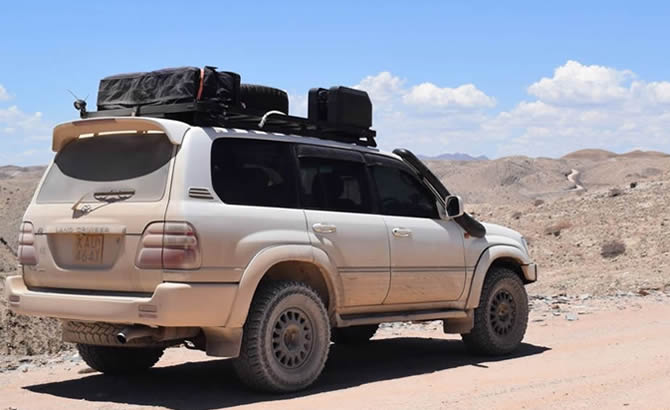
Unlike some of Tanzania’s more accessible northern parks, Kitulo demands a properly equipped off-road vehicle. The climb from Chimala to Matamba along the Hamsini na Saba road is rough, narrow in sections, and subject to mud and erosion during the rains, while the final plateau roads are largely unpaved tracks winding through grassland and forest. This makes 4×4 Land Cruiser hire in Tanzania the standard and recommended choice for anyone undertaking a Kitulo self-drive itinerary, rather than a standard saloon car or two-wheel-drive minivan.
Renting a dependable Land Cruiser for a Tanzania self-drive trip is a highly convenient and affordable option, typically available at an economical rate of around $130 per day. These vehicles are built specifically for the kind of demanding terrain found on the climb into Kitulo, offering the ground clearance, four-wheel-drive traction, and reliability that long-distance overland travel through Tanzania’s southern highlands requires. For travelers comparing car hire rates for safaris in Tanzania, a Land Cruiser remains the gold standard precisely because it can handle everything from smooth highway cruising out of Dar es Salaam to the hairpin gravel switchbacks above Chimala without missing a beat.
Travel routes for self-drive 4×4 rentals in Tanzania are thoughtfully laid out to support exactly this kind of multi-region road trip, allowing journeys to commence from Dar es Salaam and pass through significant locations such as Iringa and Mbeya before continuing on to Kitulo and, for those extending their adventure, even further afield. Travelers are provided with flexible options to return the vehicle either in Mbeya city or Mpanda town, ensuring convenience is maximized for those who don’t want to retrace the same long route back to the coast. To offer a seamless experience, vehicle pickup arrangements are promptly organized for you at your chosen location, whether that’s the airport in Dar es Salaam, a hotel in the city center, or another agreed meeting point. Additionally, reasonably priced one-way self-drive car rental services in Tanzania cater perfectly to travelers embarking on longer expeditions, allowing you to begin in Dar es Salaam and finish your journey near the Malawi border region without the hassle or expense of driving the vehicle all the way back.
Camping at Kitulo National Park: An Affordable Self-Drive Highlight
One of the most appealing aspects of a self-drive camping safari in Tanzania that includes Kitulo is just how affordable and immersive the overnight experience can be. Self-camping within the park is available at budget-friendly rates, generally ranging from around $5 to $10 per night, making it an excellent stop for overland travelers who are road-tripping through Tanzania on a budget and want to combine wilderness camping with the freedom of driving their own rented vehicle. For those who prefer not to rough it entirely, nearby towns such as Mbeya and the village of Matamba offer guesthouses and small lodges, ranging from simple budget rooms to slightly more comfortable mid-range options, giving self-drive Tanzania tour travelers flexibility depending on how adventurous they want their nights to be.
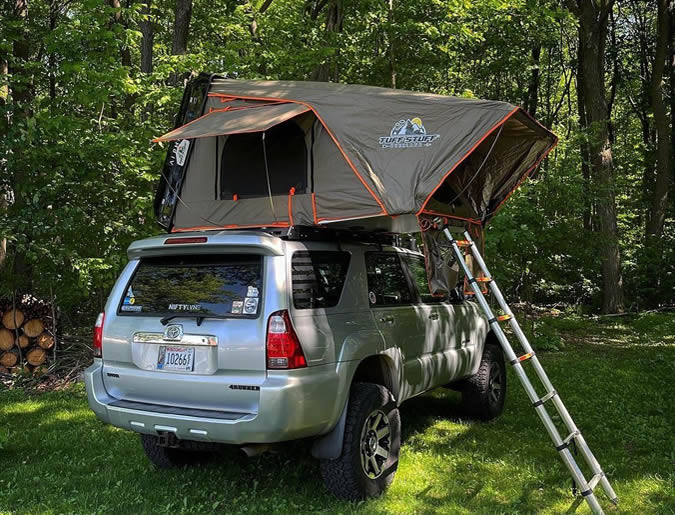
Given the high elevation of the plateau, nighttime temperatures can drop significantly even during the dry season, so anyone planning a Tanzania camping and self-drive combo trip to Kitulo should pack warm layers, a good sleeping bag, and rain gear, particularly if traveling during the wetter months. A reliable 4×4 with a rooftop tent setup or space for camping gear in the back is a popular configuration among travelers undertaking overland self-drive safaris through southern Tanzania, since it allows for spontaneous stops at scenic viewpoints along the Hamsini na Saba road or beside one of Kitulo’s waterfalls.
Best Time for a Self-Drive Safari to Kitulo National Park
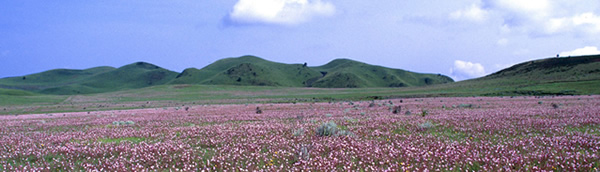
Kitulo National Park can be visited throughout the year, but timing your self-drive road trip from Dar es Salaam matters quite a bit depending on what you hope to see. The floral spectacle that gives the park its global reputation peaks during the wetter months, generally from November through April, when more than 350 to 400 plant species — including dozens of varieties of terrestrial orchids — burst into bloom across the plateau. This is the prime window for photographers, botanists, and nature lovers seeking that classic “Garden of God” wildflower experience.
For travelers more interested in hiking, birdwatching, and simply enjoying clearer long-distance views across the Livingstone Mountains and toward Lake Nyasa, the drier months from June through October tend to offer better visibility, since the period from roughly May to August can bring mist and low cloud cover that obscures the highland scenery. Many experienced self-drive tour operators in Tanzania recommend the December-to-February window as a sweet spot, combining relatively dry driving conditions on the Hamsini na Saba climb with the height of the flowering season.
Beyond its rich biodiversity, Kitulo National Park holds immense environmental and cultural significance. It plays a vital role in sustaining the watershed for the Great Ruaha River, which is essential to the region’s ecosystem. Furthermore, this park sets a historic precedent as the first national park in tropical Africa to be officially designated for its exceptional botanical value. Local communities affectionately call this plateau “Bustani ya Mungu,” or the Garden of God, while botanists have nicknamed it the “Serengeti of Flowers” — a fitting tribute to the seasonal explosion of color that transforms the highlands every year. Visitors are treated to mesmerising sights, including an exquisite collection of orchids, the vivid hues of yellow-orange-red hot pokers, and flourishing arrays of aloes, sturdy proteas, charming geraniums, and the unique giant lobelias that evoke a sense of wonder.
Wildlife, Birdlife, and What Makes Kitulo Unique on a Self-Drive Itinerary
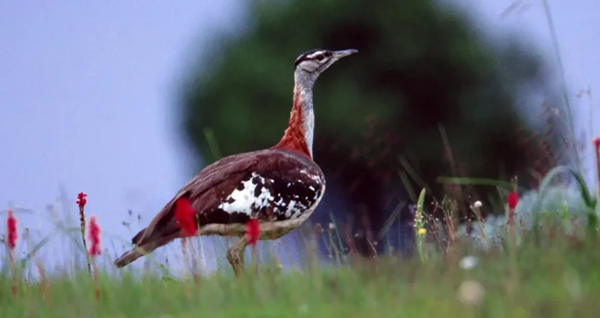
Unlike Tanzania’s famous Serengeti or Ruaha circuits, large game is not the primary draw at Kitulo. Big mammals are sparsely represented here, though hardy mountain reedbuck and eland still roam the open grassland. What makes Kitulo genuinely special for self-drive travelers is its status as a botanist’s and birdwatcher’s paradise. The park hosts Tanzania’s only known population of the rare Denham’s bustard, alongside a vulnerable breeding colony of blue swallows and range-restricted species such as the mountain marsh widow, Njombe cisticola, and Kipengere seedeater. Endemic chameleons, lizards, frogs, and butterflies add further depth to this high-altitude ecosystem, rewarding travelers who take the time to explore on foot once they’ve parked their 4×4 at one of the designated trailheads.
Combining Kitulo with Other Southern Tanzania Self-Drive Destinations
Because Kitulo lies along the natural overland corridor connecting Dar es Salaam to Mbeya and the Malawi border area, it pairs naturally with a broader southern Tanzania self-drive circuit. Travelers renting a 4×4 for this region often extend their itinerary to include Ruaha National Park, Udzungwa Mountains National Park near Iringa, or even continue onward toward Lake Nyasa and Matema Beach for a relaxing coastal finish to a highland-and-savanna road trip. This flexibility is part of why one-way Land Cruiser rentals starting in Dar es Salaam and ending in Mbeya or Mpanda have become increasingly popular among overland travelers who want to see multiple regions without backtracking.
Entry Requirements and Practical Planning Notes
Most international visitors planning a self-drive safari and camping trip through Tanzania will need a tourist visa, generally costing around $100, which can be obtained in advance or on arrival at major entry points, including Julius Nyerere International Airport in Dar es Salaam. Travelers arriving from yellow-fever-affected countries may be asked to present proof of vaccination. Given that entry requirements can shift periodically, it’s always worth checking with the nearest Tanzanian embassy or official immigration channels shortly before departure.
For anyone serious about experiencing Tanzania beyond the well-trodden northern safari circuit, a self-drive journey to Kitulo National Park offers something genuinely different: a long, scenic highway drive from Dar es Salaam, a thrilling climb up fifty-seven hairpin bends into the clouds, and a reward of wildflower-strewn grasslands found nowhere else on the continent. Whether you’re booking a 4×4 Land Cruiser for hire in Dar es Salaam, planning a budget camping safari in southern Tanzania, or arranging a one-way self-drive rental to explore the country at your own pace, Kitulo National Park deserves a firm spot on the itinerary.