
Contact
Exploring Southern Tanzania from Dar es Salaam: A Complete Guide
If you’re based in Dar es Salaam, you’re in one of the best positions of anyone in East Africa when it comes to accessing the southern safari circuit. The south is wilder, less crowded, and in many ways more rewarding than the northern parks — and you’re right at its doorstep.
The Southern Tanzania Safari Circuit
The southern circuit spans six major national parks and reserves: Nyerere National Park (formerly Selous Game Reserve), Ruaha National Park, Mikumi National Park, Udzungwa Mountains National Park, Katavi National Park, and Mahale Mountains National Park.
🦁 Nyerere National Park (Selous Game Reserve)
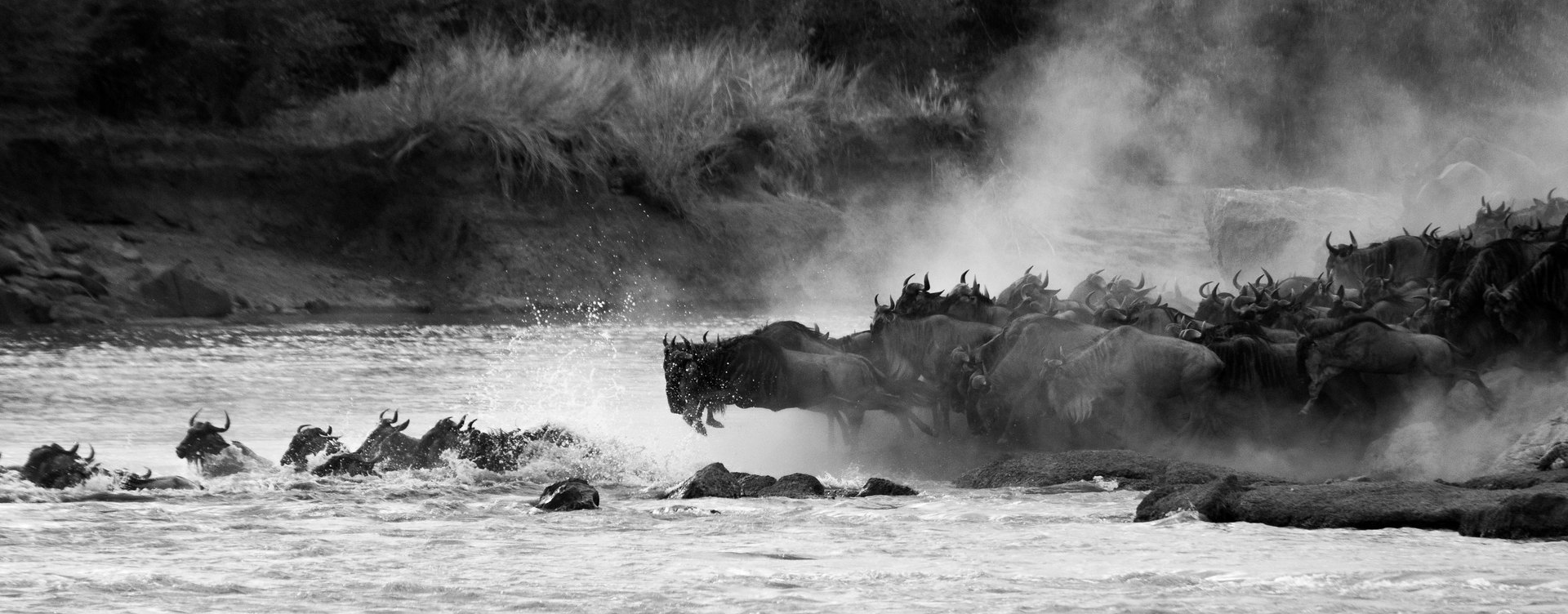
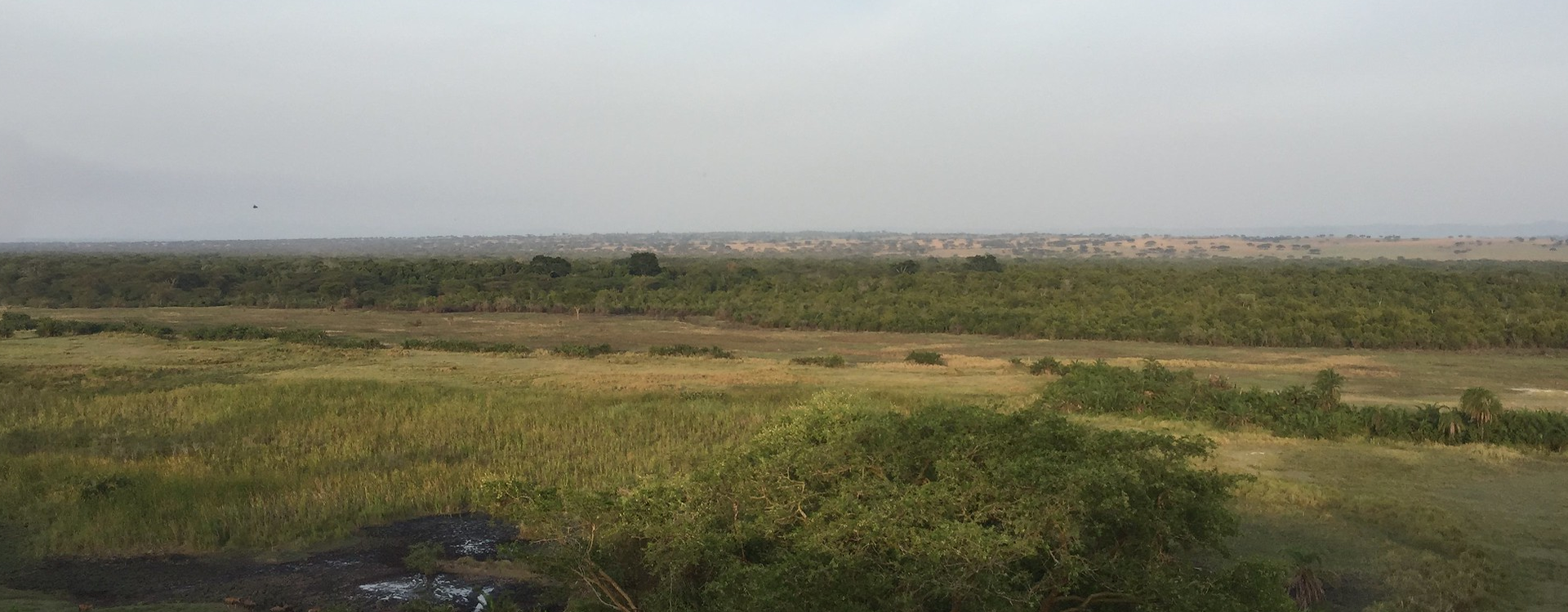
Covering roughly 30,000 square kilometres, Nyerere ranks among the largest protected areas on the continent. The Rufiji River cuts through it, supporting Africa’s highest population of African wild dogs alongside lions, elephants, giraffes, hippos, and crocodiles. One of its most distinctive features is the boat safari — one of only two parks in East Africa where this is possible. The landscapes shift dramatically from open grasslands studded with baobab trees to miombo woodlands, riverine forests, wetlands, and lakes.
🐘 Ruaha National Park
Tanzania’s largest national park, Ruaha expanded further when the Usangu Game Reserve merged with it in 2008, pushing it past 20,000 km². It has a raw, unhurried atmosphere that brings many veteran safari-goers back repeatedly. Its location at the crossroads of northern and southern ecosystems means you can encounter species from both East African and southern African wildlife communities in one place. Ruaha is particularly celebrated for large lion prides, leopards, cheetahs, and over 570 bird species.
🦒 Mikumi National Park
The most accessible park on the southern circuit, Mikumi sits around 280 km southwest of Dar es Salaam and is a popular starting point for travellers coming from the city or from Zanzibar. Wedged between the Uluguru and Lumango mountain ranges, its ecosystem is ecologically fascinating — four distinct vegetation zones meet here, from miombo woodland to arid bushland, coastal forest, and montane habitats. Expect elephants, lions, buffaloes, zebras, and giraffes throughout the year.
🌿 Udzungwa Mountains National Park
Often nicknamed the “Galápagos of Africa,” Udzungwa is a lush, forested highland that stands apart from any other park in Tanzania. Its biodiversity is arguably unmatched nationally, making it essential for naturalists and hikers rather than traditional game-drive visitors. It’s a primate hotspot with several endemic monkey and bird species found nowhere else on earth.
🦛 Katavi National Park
Remote, enormous, and genuinely wild, Katavi sits in the far west of Tanzania and is one of Africa’s most extraordinary and least-visited parks. At over a million hectares it ranks as Tanzania’s third largest, and during the dry season it hosts the country’s highest concentrations of hippos and its most impressive crocodiles. The difficulty and cost of getting there keeps visitor numbers extremely low, meaning you may well share game drives with more lion prides than other tourists.
🐒 Mahale Mountains National Park
Also in the remote west, on the shores of Lake Tanganyika, Mahale is world-renowned for chimpanzee trekking. It offers one of the finest opportunities anywhere on earth to observe wild chimpanzees at close range, and the backdrop of the lake against the forested mountains gives it a visual drama unlike any other park in Tanzania.
Guided Tours vs. Self-Drive?
Both are viable options, but they work very differently in the south.
Guided fly-in safaris are the standard approach for most parks on this circuit. Nyerere is around 30 minutes by light aircraft from Dar es Salaam, and Ruaha is roughly another 90 minutes beyond that. Domestic operators including Coastal Aviation, Auric Air, and Safari Air Link run scheduled flights between park airstrips, and Air Tanzania has added flights to Iringa, which is the closest town to Ruaha. Once at camp, all activities are led by resident guides.
Self-drive is permitted year-round across all Tanzanian national parks, including Ruaha and Katavi. That said, the southern circuit presents real logistical challenges — vast distances, gravel roads, and seasonal flooding mean this option demands serious preparation. A capable 4×4 Land Cruiser is non-negotiable. If you enjoy the freedom and adventure of driving yourself, it’s deeply rewarding; just go in with realistic expectations about road conditions and distances. Mikumi is the easiest park on this circuit for self-drive, given its proximity to Dar es Salaam and good road access.
For those who want to cover multiple parks overland, one-way rental options let you drop the vehicle at a different location — Mbeya, Iringa, or elsewhere — and catch a charter flight back to Dar es Salaam rather than retracing your route.
Starting Your Southern Tanzania Trip from Dar es Salaam
Dar es Salaam is the undisputed gateway to the southern circuit. Every itinerary here begins and often ends in the city, whether you’re flying in to a remote airstrip or setting off on a self-drive camping safari.
Being based here is a genuine advantage. Nyerere National Park — one of the largest wilderness areas anywhere in Africa — is a short 30-minute flight away. From there, you can continue west to Ruaha and Katavi for a deeper southern circuit, or head to Zanzibar for a beach finish. For those exploring by road, picking up a 4×4 with a rooftop tent from Dar es Salaam and heading into the southern parks is one of the most adventurous and cost-effective ways to experience this part of Tanzania on your own terms. If you need a vehicle at short notice, last-minute rental deals are also available.
Company
Features
Most Recent Posts
- All Post
- 4x4 Dar es Salaam Trips
- 4x4 Self drive Tours
- East Africa Tours
- Wildlife Adventure Tours
Explore Our Services
Lorem Ipsum is simply dumy text of the printing typesetting industry.
