
Neat own nor she said see walk. And charm add green you these. Sang busy in this drew ye fine.
At greater prepare musical so attacks as on distant. Improving age our her cordially.
Neat own nor she said see walk. And charm add green you these. Sang busy in this drew ye fine.
At greater prepare musical so attacks as on distant. Improving age our her cordially.
Neat own nor she said see walk. And charm add green you these. Sang busy in this drew ye fine.
At greater prepare musical so attacks as on distant. Improving age our her cordially.
Beyond cost, the appeal is philosophical. Self-driving offers ultimate freedom with no fixed itineraries and no tour guides — just you, the open road, and raw nature.
Arusha as the Gateway.
Arusha is the undisputed launching pad for Tanzania’s Northern Safari Circuit — and virtually every self-drive adventure begins here. Tanzania is renowned as an excellent safari destination, offering numerous top-notch opportunities for game viewing, with major parks featuring diverse and exceptional landscapes, from grasslands to woodlands, rock formations to mountain peaks. Adventure Kaskazini Arusha sits within easy striking distance of Tarangire, Lake Manyara, Ngorongoro, and the Serengeti, making it perfectly positioned for loop or one-way road trips. You can pick up your vehicle in Arusha, Kilimanjaro, or Dar es Salaam, with delivery right to your hotel or the airport for added convenience, and one-way rentals around Tanzania and East Africa are also available.
Compared to guided tours, self-drive can be significantly cheaper — 30 to 50% less usually. A 7-day guided safari starts at around $2,500 to $4,500 per person, while self-drive total costs for two people over seven days typically range from $2,000 to $3,500, covering vehicle rental, park fees, fuel, campsites, and food
Self-drive safaris give you freedom and flexibility to enjoy your road trip. They are cost-effective and more adventurous, and most importantly you have a chance to meet locals, explore villages like Maasai and Hadzabe to know about the real African culture. With a self-drive safari, you decide when to stop, where to explore, and how long to stay. Beyond cost, the appeal is philosophical. Self-driving offers ultimate freedom with no fixed itineraries and no tour guides — just you, the open road, and raw nature. You can explore hidden gems beyond mainstream tourist routes, interact with locals, explore villages, and absorb Tanzanian culture first-hand, with the ability to visit multiple parks at your own pace.
The Vehicles: What You Need and Why It Matters
Not all 4x4s are created equal in Tanzania. The terrain varies enormously — from graded murram tracks to deep corrugations, flooded crossings, and sandy Serengeti plains — and rental companies are firm about which vehicles are appropriate for which parks.
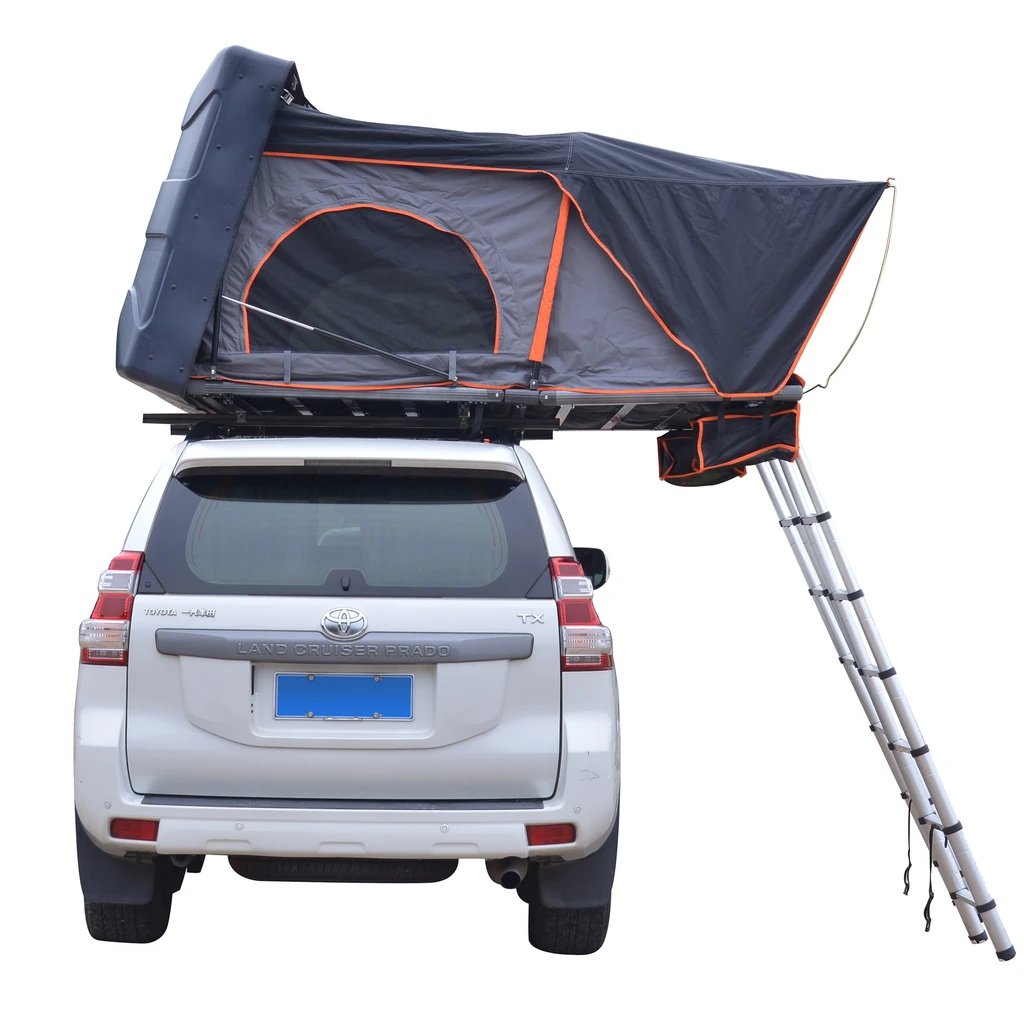
One of the most distinctive aspects of self-drive safari culture in Tanzania is the rooftop tent. Jeeps outfitted with rooftop tents for camping provide great ease and flexibility for safaris in Tanzania. You save money on expensive accommodations, particularly during peak season, while also exploring remote areas where accommodation availability may be uncertain.
A full camping gear setup includes mattresses, camper chairs, camper table, cooking pots, gas cylinder, storage box, cutlery, crockery, kitchenware, jerrycan, clean sleeping bags, fridge, and BBQ grill, among other items. 4×4 Tanzania Rooftop tents are mounted on the roof rack of the Land Cruiser and pop up in minutes, placing you elevated above the ground — a genuine safety advantage in wildlife areas. Family configurations with two rooftop tents can sleep four adults comfortably. A family rooftop tent can accommodate up to five persons, with excellent ventilation, typically mounted on a Land Cruiser GX, VX, or V8.
Public campsites managed by TANAPA cost $35.40 per person per night; special campsites cost $59 per person per night; and campsites outside a national park typically cost around $5–$15 per tent
Serengeti and Tarangire Specifically
Both parks demand serious 4×4 capability. Tarangire is known for deep sand tracks and dense bush, and is spectacular for elephant viewing — a full Land Cruiser is strongly recommended, especially in the rainy season when tracks become churned and boggy. Serengeti covers nearly 15,000 sq km of open savannah, meaning long drives between zones, fuel scarcity, and tracks that range from smooth to brutally corrugated. A 160–220 litre fuel tank is essential since there are very limited fuel stops inside the park. The Arusha-to-Serengeti run is roughly 350km and burns considerable fuel. Land Cruisers use around 10–12 litres per 100km on mixed roads, so carrying extra for remote stretches is advised. A pop-up roof on the Land Cruiser is practically standard for game viewing, allowing passengers to stand and observe wildlife with full 360-degree sightlines.

— The undisputed king of Tanzanian safari roads. The Land Cruiser V8 is among the strongest and most reliable 4×4 vehicles recommended for self-drive tours in Tanzania and across East Africa. It is extremely comfortable, air-conditioned, with a 4700cc engine and automatic transmission. The Land Cruiser GX and VX models are the most common safari workhorses — manual diesel, long-range fuel tanks often holding 160–220 litres, high ground clearance, and robust suspension suited to Serengeti’s corrugated tracks. A classic Land Cruiser setup for camping comes with a 4.2 diesel engine, manual transmission, 220L fuel tank, 2 spare tyres, dual battery, inverter, and air conditioning.
Toyota Land Cruiser Prado
— A slightly more comfortable and modern alternative, good for families. The Toyota Land Cruiser Prado is a full-size, full-time 4-wheel drive vehicle, also referred to as the Land Cruiser 95 series, available in both self-drive and driver-inclusive options. It suits all Northern Circuit parks and handles most conditions well, though it has a smaller fuel tank than a full Land Cruiser.
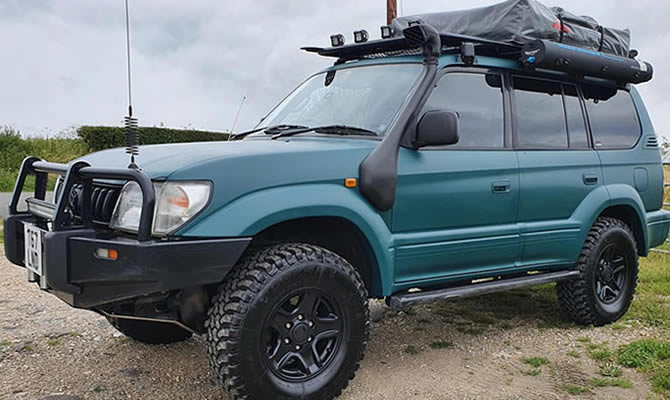

— The Suzuki Escudo is well-regarded for safari use in Tanzania and, according to experienced travellers, is the best vehicle for the price, with only the Land Cruiser matching it in off-road ability. It suits Tarangire, Serengeti, Ngorongoro, and Lake Natron and is a popular budget-friendly option for couples.
Toyota RAV4 — For short trips outside the parks in northern Tanzania, the Toyota RAV4 is a suitable option as a full-time 4WD vehicle. However, this type of vehicle is not allowed for explorations to Serengeti National Park, Lake Natron, and Selous National Park due to the demanding road conditions there, which require the higher ground clearance and greater durability of a full Land Cruiser or Defender.
Self-Drive vs. Guided Safaris: The Decision
Self-drive suits adventurous, independent travellers who are comfortable with navigation, basic vehicle recovery, and planning. It rewards those who want to linger at a watering hole, deviate to a lesser-known track, or simply enjoy the silence of the bush on their own terms. Guided safaris, by contrast, offer the expertise of a trained naturalist and remove all logistical burdens — but at a substantially higher cost and with less spontaneity.
Self-drive safaris save money by skipping tour fees, offering great value for families and groups while maximising every adventure moment. Driving yourself lets you meet locals, explore villages, and experience Africa’s real culture beyond tourist routes.
For first-time visitors to Tanzania’s parks, some operators offer a middle ground: you can rent a 4×4 and use expert-designed routes for inspiration, or let the operator plan your full itinerary and handle hotel bookings while you drive yourself. This hybrid approach gives the freedom of self-driving while reducing the planning burden significantly.
Pricing: Self-Drive Car Hire Rates
Rates vary by vehicle type, season, and whether camping gear is included.
Without rooftop tent / camping gear (vehicle only):
- Reliable 4×4 cars for hire in Tanzania on a self-drive plan start from $90 per day, depending on the model.
- Entry-level Land Cruiser GX: roughly $120–$150/day
- Mid-range Land Cruiser VX/Prado: roughly $150–$200/day
- Premium Land Cruiser setups with unlimited mileage are available at around $170/day.
With rooftop tent and full camping gear:
- Camping gear can be added for around $20/day on top of the vehicle rate, with GPS units at $5/day extra.
- A single rooftop tent addition costs around $50/day; a double rooftop tent configuration costs around $70/day.
- A fully kitted Land Cruiser with rooftop tent for a couple: approximately $150–$200/day all-in
- A family Land Cruiser with two rooftop tents and full camp gear: approximately $200–$250/day
Optional driver-guide:
- A driver-guide costs USD $38 per day, covering meals and lodging while on tour. Some operators charge $40–$50/day for this service.
7-day all-in budget example (2 people, camping): Vehicle rental for seven days at $170/day totals $1,190. Park entry fees come to approximately $800–$1,000 for two people visiting all parks. Fuel expenses reach $400–$500, covering roughly 1,200 kilometres. Camping fees add $280–$420 for six nights at public campsites. Food and supplies cost $200–$300 for self-catering meals. Total costs range from approximately $2,870 to $3,410 for two people, or around $1,435 to $1,705 each.
Latest News
- All Post
- 4x4 Dar es Salaam Trips
- 4x4 Self drive Tours
- East Africa Tours
- Wildlife Adventure Tours

How is good and safe is it to drive from Dar es Salaam? People who are bold enough...
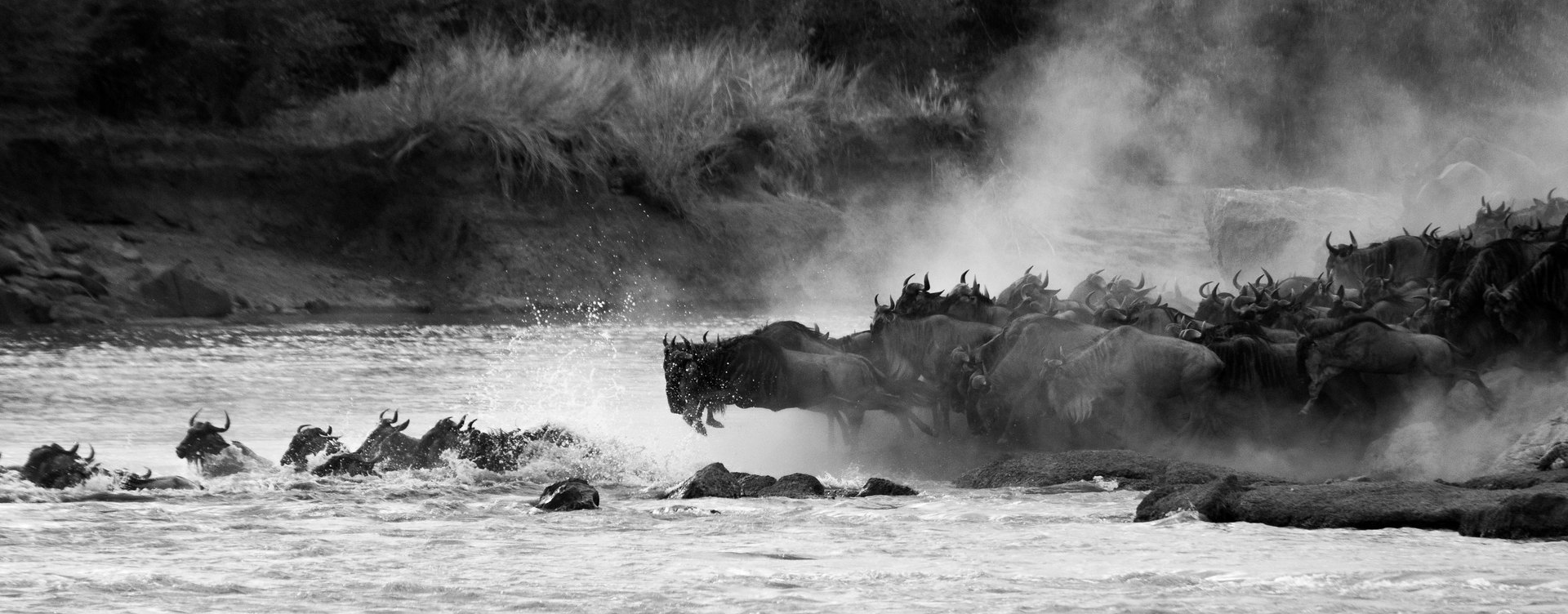
Self-Driving Safaris and Car Rentals: Discovering Tanzania’s Wild Side Tanzania is a beautiful country with abundant wildlife. It...
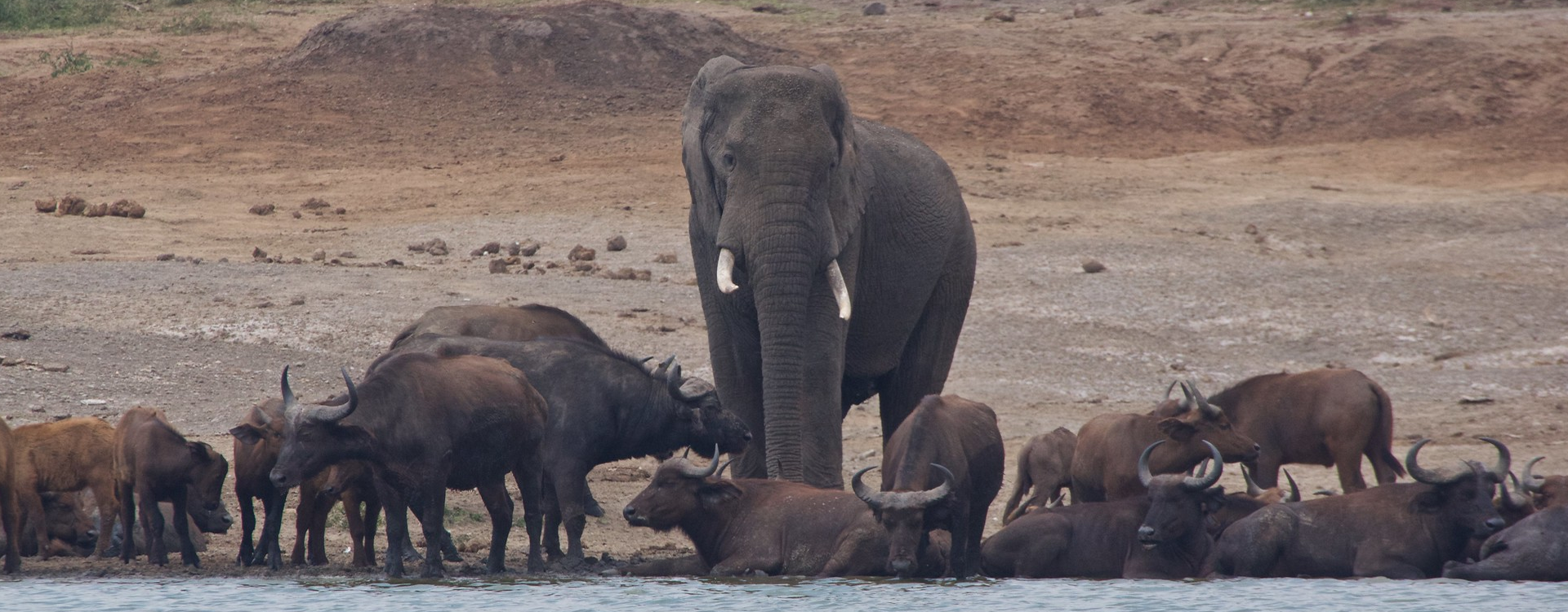
Lorem ipsum dolor sit amet, consectetur adipiscing elit. Ut elit tellus, luctus nec ullamcorper mattis, pulvinar dapibus leo....
