
About Us
Overview of the Northern Circuit
Tanzania is recognized as the foremost global wildlife safari destination, featuring four distinct wildlife safari tour circuits — the northern, southern, western, and eastern safari circuits — with the northern Tanzania safari circuit being the most exhilarating and well-established for tourists.
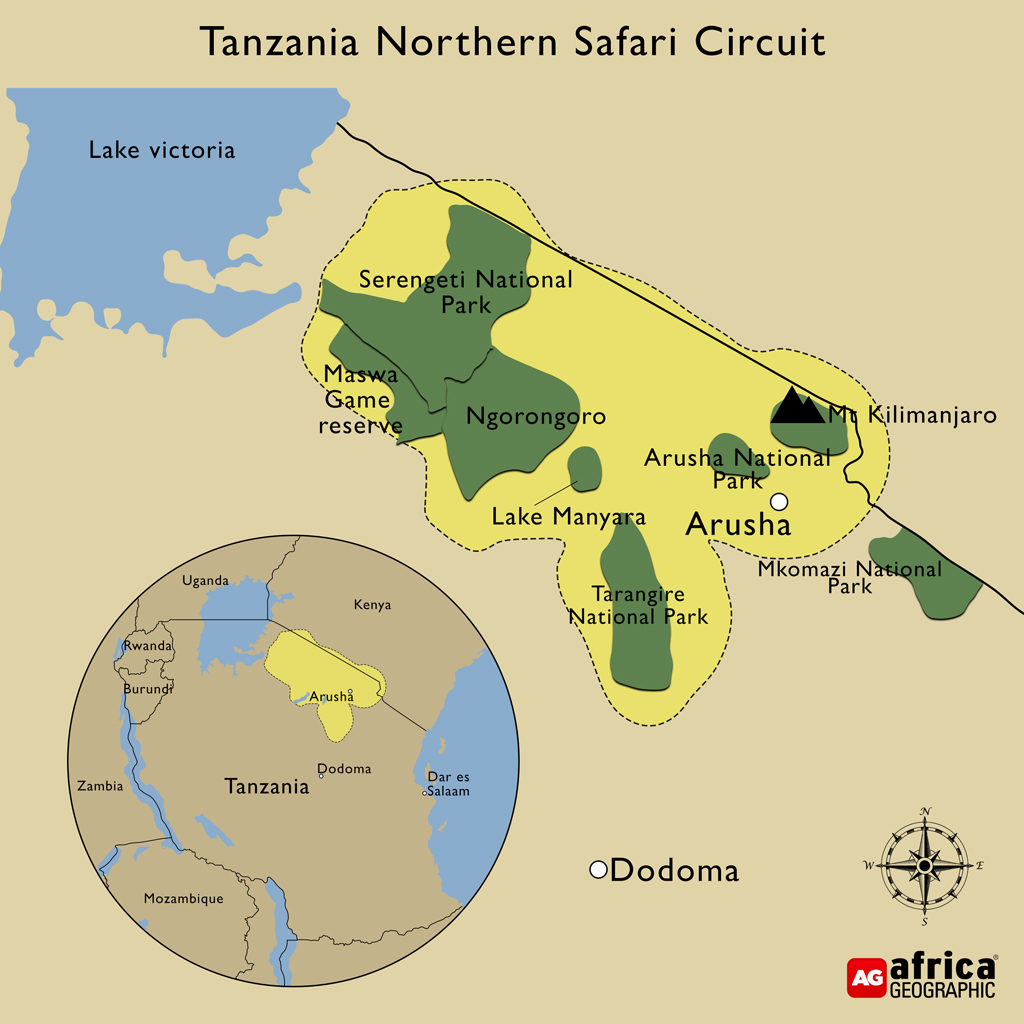
The Northern Circuit Safari is undoubtedly the most popular, offering travelers an opportunity to explore some of the country’s most iconic safari destinations. From the stunning Serengeti National Park to the dramatic Ngorongoro Crater, it is a journey of a lifetime.
Tanzania’s renowned “Northern Circuit” safari encompasses national parks, wildlife reserves, conservation zones, and exquisite accommodations, providing some of the most varied safari experiences globally. The national parks in Tanzania’s northern circuit include Kilimanjaro National Park, Arusha National Park, Tarangire National Park, Lake Manyara National Park, Ngorongoro Conservation Area, and the renowned Serengeti National Park.
Join the BH Studio Now! Become Our Partner.
Departure so attention pronounce satisfied daughters am. But shy tedious pressed studied opinion entered windows off. Advantage dependent suspicion convinced.
The Six National Parks of the Northern Circuit
- Serengeti National Park — The Crown Jewel
Serengeti National Park is the crown jewel of Tanzania, offering one of the most spectacular wildlife experiences on Earth. Located in northern Tanzania, it stretches across the Simiyu and Mara regions, making it the biggest national park in Tanzania and a must-visit destination for nature lovers.
The Serengeti is home to the Great Migration, where over 1.5 million wildebeest, zebras, and gazelles traverse the plains in search of fresh grass. One million wildebeest participate in the inevitable cycle of life: a tumultuous three-week period of territorial disputes and mating; survival of the fittest as 40 km long columns traverse crocodile-infested waters during the annual northern migration; rejuvenating the species in a fleeting population surge that yields over 8,000 calves daily before the 1,000 km journey recommences.
Why choose it: The Serengeti is for travellers who want the quintessential African safari experience — boundless open plains, the Big Five, and the world’s greatest wildlife spectacle. Visitors flock to the Serengeti year-round, but the best time to see the migration typically occurs between June and September.
- Ngorongoro Conservation Area — The Natural Wonder
Often regarded as one of the natural wonders of the world, Ngorongoro Crater is a UNESCO World Heritage Site and one of Tanzania’s most visited destinations. It is the world’s largest inactive volcanic caldera that has remained intact and unfilled with water. The Ngorongoro crater was formed about 2 million years ago as a result of the collapse of a volcano which was once higher than Mount Kilimanjaro.
Massive old elephant bulls, weighed down by tusks of a stature elsewhere sacrificed to the ivory trade, haunt the fever-tree groves and swamps. A small but precious herd of black rhino is regularly seen in more open terrain. Dense populations of lion and spotted hyena, as well as smaller numbers of leopard and cheetah, gorge themselves on the abundant herds of grazers.
Why choose it: Unlike any other park, Ngorongoro is a self-contained ecosystem enclosed within a caldera. Between Arusha and the Serengeti, the Ngorongoro Conservation Area is home to around 25,000 large animals — a chance to see all of the Big Five, including the elusive black rhino, in a single day. It is ideal for travellers with limited time who want maximum wildlife density.
- Tarangire National Park — The Elephant Capital
Known for its massive baobab trees and large elephant herds, Tarangire National Park is another gem in Tanzania. Ranking as the 6th largest national park in Tanzania and covering an area of 2,600 square kilometres, Tarangire has the highest concentration of African elephants of any park in northern Tanzania. During the dry season, more than 300 elephants gather along the Tarangire River.
Tarangire is also well known for its stunning landscape of baobabs and scattered termite mounds that house dwarf mongoose families. The extensive swamp system supports some of the 550 bird species in this park.
Why choose it: Get off the primary safari circuit and head to the quieter Tarangire National Park, renowned for its incredibly high concentrations of wildlife and stunning natural scenery. Many people skip Tarangire altogether, or only visit the park for a quick morning or afternoon game drive; however, staying for at least two days allows travellers to take full advantage of this fantastic destination. It is the ideal choice for elephant enthusiasts and birdwatchers seeking a less crowded experience.
- Lake Manyara National Park — The Compact Gem
Lake Manyara National Park is a scenic gem in northern Tanzania, nestled between the Great Rift Valley and Lake Manyara. Even though the park is fairly small, it still offers a wonderful safari experience with many distinct ecosystems — like dense forests and open savannah grasslands — and is one of the largest concentrations of mammals in Africa.
Just 126 km outside Arusha, it is perfect for a few hours’ visit to see the hot springs and take a canopy walk. Tree-climbing lions are a huge drawcard as well as relaxed elephants and thousands of baboons in the groundwater forests.
Why choose it: Located between Tarangire National Park and Ngorongoro Crater, Lake Manyara is a beautiful addition to a Northern Circuit safari. If you’d like to see the park’s birdlife and pink flamingos, visit between November and April, when migrant species arrive and resident birds display their colourful breeding plumage. It is perfect for first-timers wanting a diverse, accessible sampler of ecosystems.
- Arusha National Park — The Underrated Multifaceted Gem
Arusha National Park, the nearest national park to Arusha town, the safari center of northern Tanzania, is a multifaceted gem frequently disregarded by safari enthusiasts. The park offers a striking contrast of habitats — from the lush Momela Lakes teeming with flamingos and waterfowl, to the dense Ngurdoto Crater forest, to the alpine moorlands of Mount Meru.
Other than climbing Kilimanjaro, visitors can find 140 mammal species here including elephants, leopards, buffalos, tree hyrax, blue monkeys and black-and-white colobus monkeys.
Why choose it: Arusha is the only park in the northern circuit where walking safaris and canoeing are central activities, not merely supplements. It suits adventure travellers who want a more intimate, active connection with nature rather than pure game-drive viewing.
- Kilimanjaro National Park — The Roof of Africa
Established in 1973, the park covers 1,688 square kilometres and includes Mount Kilimanjaro, which stands at 5,895 metres above sea level. Away from the Himalayan mountain range, Kilimanjaro — also known as the “roof of Africa” — is the tallest freestanding mountain in the world, featuring various climate zones from lush rainforests to glaciers.
Why choose it: Kilimanjaro National Park is fundamentally different from all others on the circuit — it is not a wildlife park but a mountain trekking destination. Hiking to Uhuru Peak, Africa’s highest point, and witnessing breathtaking landscapes makes this the park of choice for climbers and adventure seekers rather than traditional safari-goers. It is often combined with a wildlife safari for the complete northern Tanzania experience.
How the Parks Differ From Each Other
Park | Key Distinction |
Serengeti | Largest park; Great Migration; open plains |
Ngorongoro | World’s largest intact caldera; highest wildlife density; guaranteed Big Five |
Tarangire | Most elephants per square mile; ancient baobab forests; quieter crowds |
Lake Manyara | Most diverse ecosystems in smallest space; tree-climbing lions; flamingos |
Arusha | Closest to the city; walking safaris; canoe trips; colobus monkeys |
Kilimanjaro | No game drives; a mountain trekking and climbing destination |
The Most Visited: Serengeti National Park
As the main tourist attraction in the country and a UNESCO World Heritage Site, the Serengeti received around 472,700 visitors in 2019, comprising international tourists and domestic visitors — making it the most visited national park in Tanzania.
The reasons are clear and compelling. With a name meaning “endless plains,” the Serengeti is the most famous safari destination. At African Scenic Safaris, most travellers choose to explore this region, making it the focal point of over 70% of safari experiences. Its diverse landscapes, abundant wildlife, and world-renowned parks make it a top choice for safari enthusiasts.
Due to its popularity, the Northern Circuit can get crowded, especially during peak seasons (June–October and December–February). This is both its greatest draw and its only significant limitation — for those who want solitude, parks like Tarangire or Arusha offer equally stunning experiences without the crowds.
Final Verdict: Which Park Should You Choose?
The northern circuit is not a one-size-fits-all experience. A first-time visitor seeking the iconic Africa of documentaries should prioritize the Serengeti. A traveller wanting to tick off the Big Five — including the rare black rhino — in a single day should head to Ngorongoro. An elephant lover or birdwatcher should linger in Tarangire. A flamingo and forest enthusiast will treasure Lake Manyara. An adventurer who wants to walk, paddle, and hike should explore Arusha National Park. And anyone with the legs and lungs for it should summit Kilimanjaro. The circuit’s true magic lies in combining several of these destinations into one extraordinary journey.
